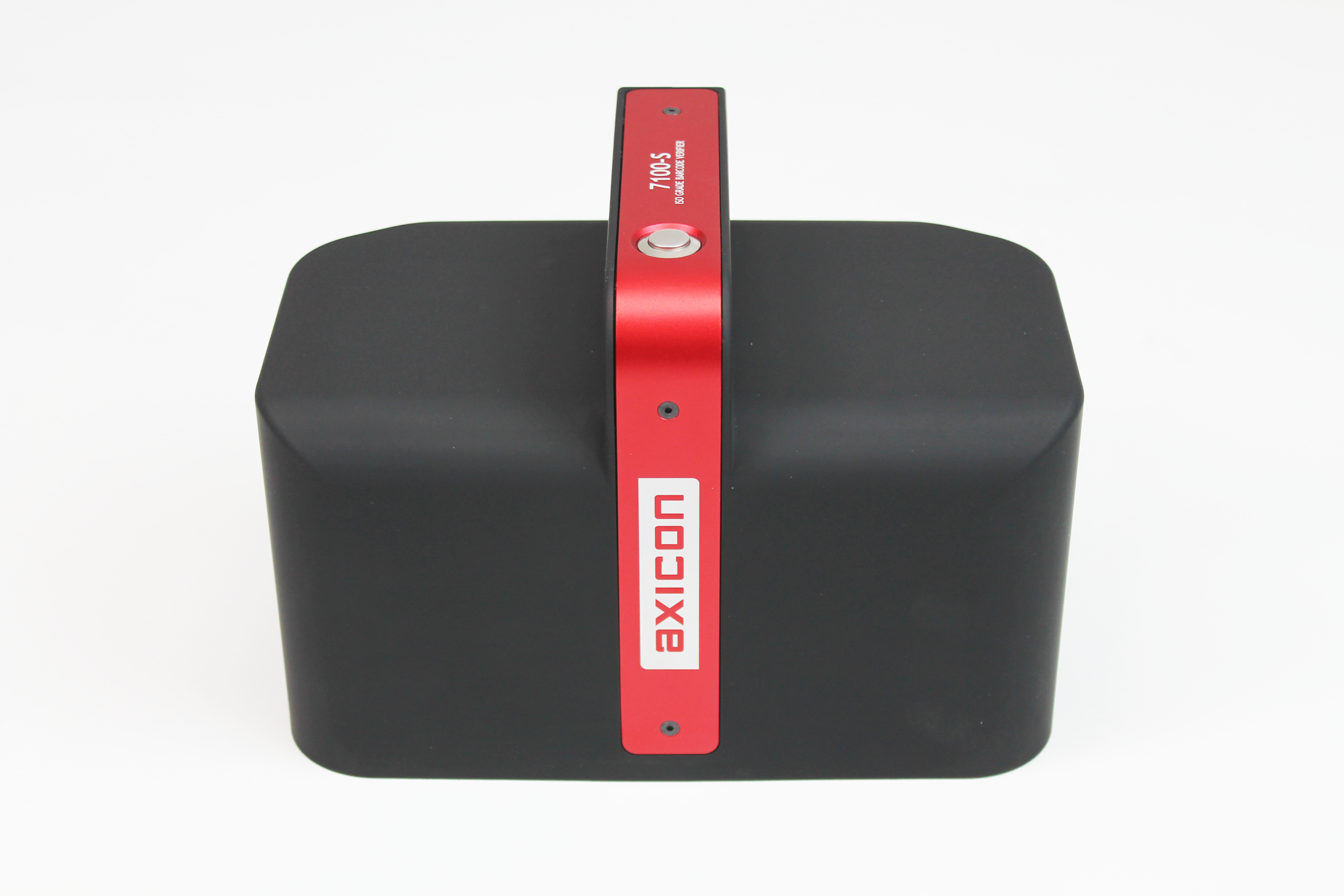
 Barcode performance is has improved in recent year for several reasons. Digital printing is one reason. Better scanners is another. Don’t these make barcode verification unnecessary? Probably not and here is why.
While it may be true that digital printing and more aggressive scanners have improved scanning, barcode quality has also been evolving. No longer is barcode quality just a matter of print quality. Except for venerable old UPC’s, newer barcodes are not just storing manufacturer and item identification. In many applications linear and 2D barcodes are also storing expiration dates, manufacturing location, batch numbers and other data essential to more efficient recalls. Print quality has been joined by data quality as an equal factor in defining barcode quality. And this factor not diminished by digital printing and more aggressive scanners.
Digital printing and more aggressive scanners are not ultimate solutions for print quality concerns. In fact they can cause their own problems. Digital printers print barcode elements (bars or squares and spaces) in multiples of pixels. Barcode design files where the image has been scaled can send data commands to the printer that it cannot replicate, causing print failures. Likewise, overly aggressive scanners can cause number substitution errors to occur: the scanner may interpolate the data in a less-than-perfect barcode. This is the subtle but real menace of those barcode scanners that the manufacturers brag “…can ready any barcode.”
Even where digital print technology has not been compromised by poor pre-press operations, the physical act of putting pigment onto a substrate can cause that image to gain or spread. Only a verifier can detect, measure and report those subtle changes. Why would something that subtle be important? Because it can change over time, spreading more and more as the substrate warms or the ink viscosity changes. As Average Bar Gain deteriorates, a verifier will report this. A scanner will ignore it until it either fails to decode or begins to mis-decode the barcode. If the operator is only listening for the comforting but fraudulent “beep” of a successful scan, the mis-decode will go completely unnoticed.
Why is barcode verification important? For the same reasons it has always been important: risk management. And what is the risk? That bad barcodes will lead to bad data infiltrating and eventually breaking your supply

chain. And what is the problem with that? It leads to unhappy trading partners who become increasingly motivated to find better trading partners whose barcodes do not cause massive data errors, late shipments, lost deadlines and damaged sales forecasts.
Barcode verification may never detect a problem with a barcode in your operation, and if that is the case, you should not terminate the barcode testing program. It is one of the reasons you probably also enjoy loyal customers for whom you do not supply chain problems. More than likely your barcode verification will detect an emerging problem before it is an actual problem. That is why barcode verification is important.