Every day, manufacturers and packagers run a quick test on their barcodes: they hold a scanner up to the label, hear a beep, and move on. The barcode read. It must be fine.
Assume is an Acronym
That assumption is one of the most common — and costly — mistakes in product labeling.
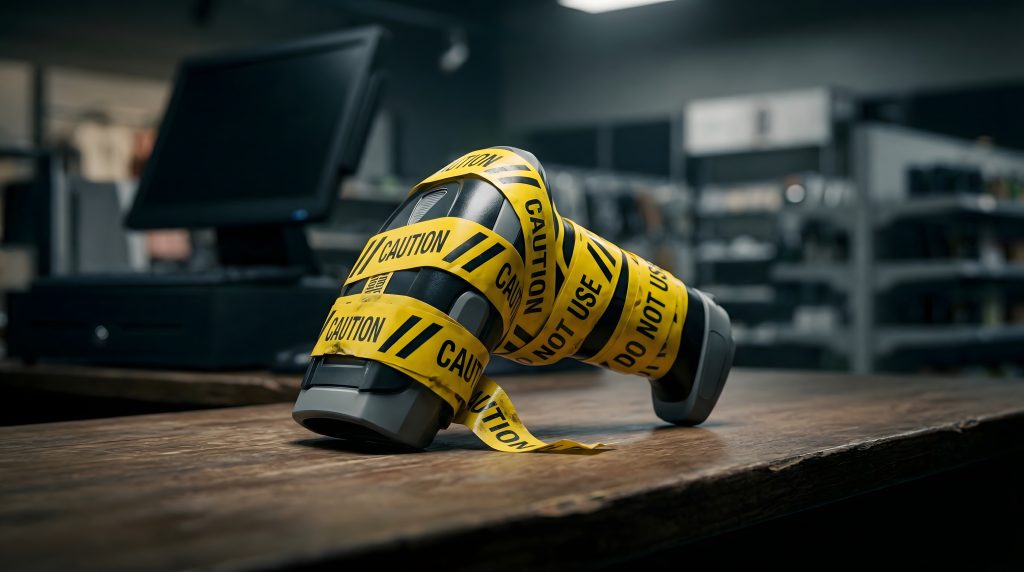
A scan is not a test. It is only proof that one scanner, in one environment, on that particular day, managed to read the barcode. It says nothing about whether the barcode will perform reliably in a busy distribution center, on a retail checkout conveyor running at speed, in a hospital supply room under fluorescent lighting, or at a regulatory inspection where your records are under review.  The scanner you used may be forgiving. The next one may not be.
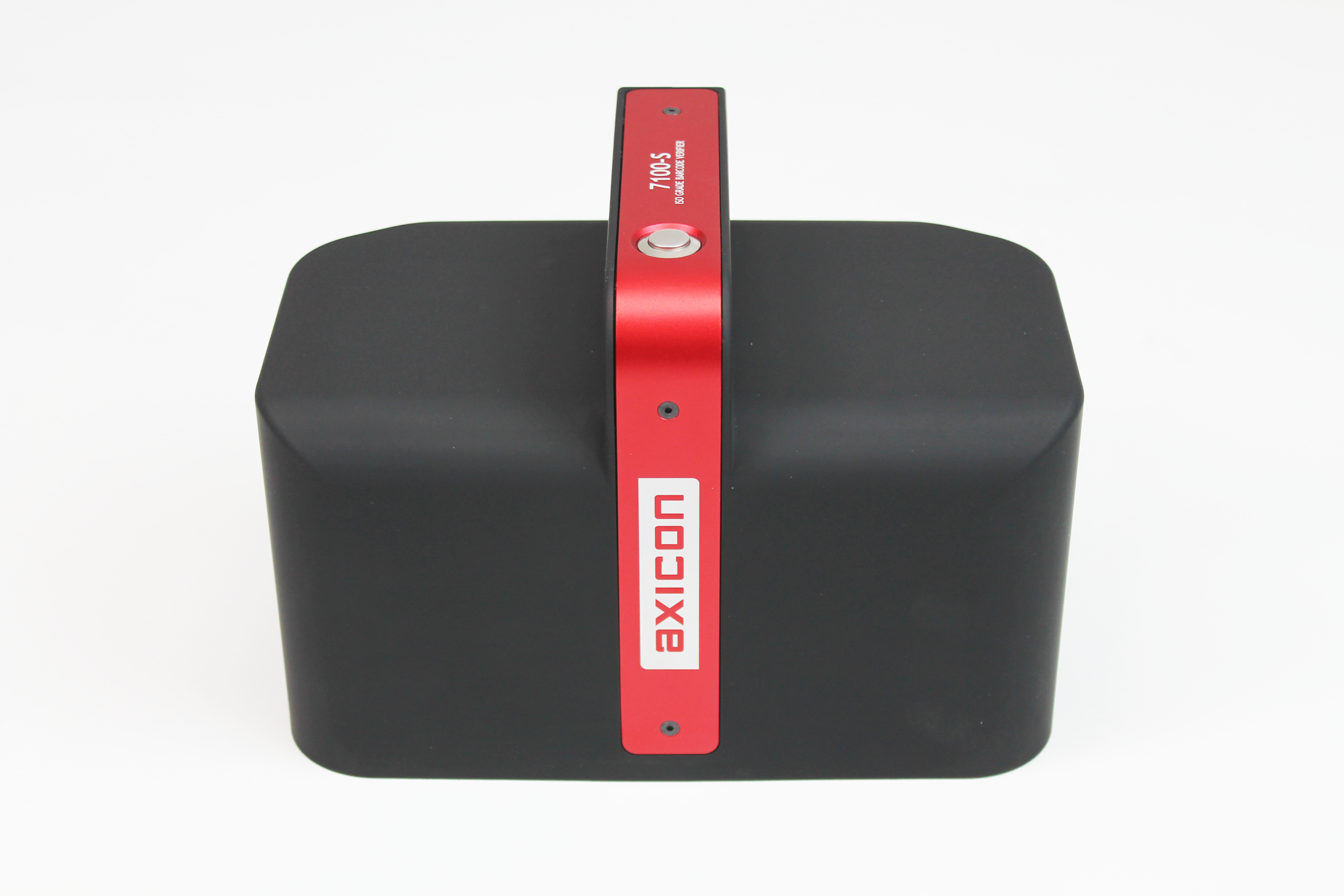
Barcode verification is something different entirely. An ISO-compliant verifier doesn’t just read the barcode — it measures it. It evaluates contrast, print uniformity, element widths, structural integrity, and the margins surrounding the symbol, then grades each characteristic on a scale from 0 to 4. The result is an objective, documented quality score that tells you exactly how much performance margin your barcode has — and where it’s running thin.
What’s Actually at Stake
When a barcode fails in the field, the consequences range from inconvenient to serious.
For retail suppliers, non-compliant barcodes trigger chargebacks. Major retailers issue fines for barcode quality failures, and those fines arrive long after the shipment has been accepted and distributed. A verification program that catches a problem before the pallet leaves your dock costs a fraction of what one chargeback costs.
For manufacturers in regulated industries — medical devices, pharmaceuticals, food — the stakes are higher. The FDA requires that Unique Device Identifiers on medical devices be both accurate and scannable in the environments where they’ll be used. The Drug Supply Chain Security Act requires serialized barcodes that trading partners can verify throughout the distribution chain. A barcode that your scanner reads in the clean conditions of your production floor may fail in the real world, and that failure can mean a lot more than a returned shipment.
For anyone shipping into automated distribution, the risk is operational. Modern warehouses scan barcodes on high-speed conveyors, sometimes under challenging angles and lighting. A barcode grading at the minimum acceptable level in controlled conditions can fail those systems, causing mis-sorts, delays, and strained relationships with distribution partners.
The Straightforward Case
Verification does one thing that scanning cannot: it tells you your grade before your customer does.
A documented verification program creates a record that your barcodes met an objective standard at the time of production. That record protects you in chargebacks, supports regulatory compliance, and gives your quality team actionable data — not just a beep.
Most barcode failures are preventable. They trace to print settings, substrate choices, label artwork, or equipment wear — problems that verification surfaces early, when correction is cheap.
The question isn’t whether barcode quality matters. It’s whether you find out about a problem first, or your customer does.
We make verification quick, confidential, easy and inexpensive.
 Contact us here.