Since their initial use in grocery checkout, barcodes are used in an amazingly broad range of uses, including:
- The full spectrum of consumer retail goods
- Manufacturing process tracking (WIP) of light and heavy equipment, vehicles, appliances, sub-assemblies and parts
- The movement of virtually everything in supply chains
- Access control of buildings, sports events, concerts and performance events, train, aircraft and cruise ship boarding, private parking lot or community access
- Coupons, gift cards, drivers licenses, package tracking, postal envelopes, census forms and packages
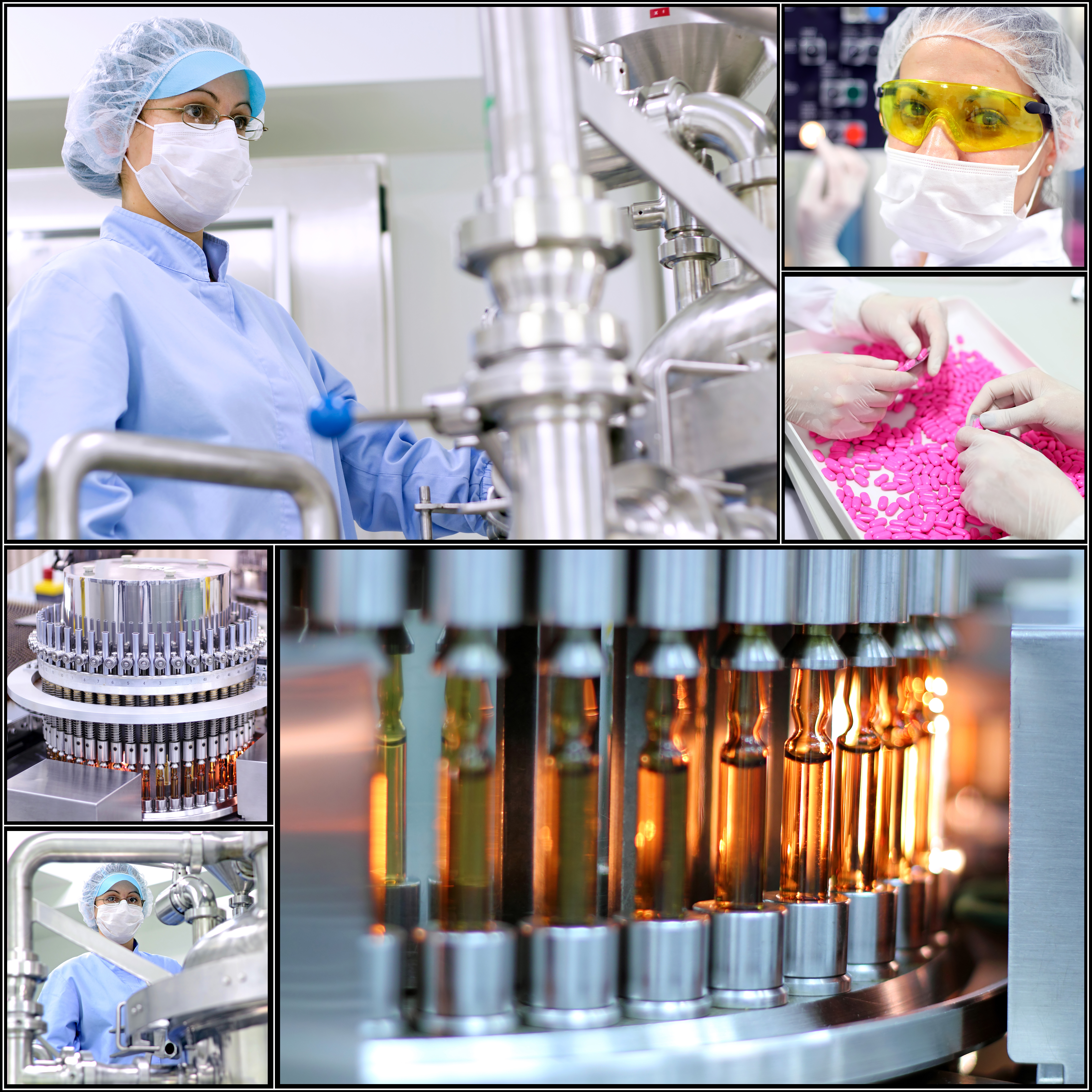
- Drug manufacturing and other ingredient-based operations
- Pharmaceutical and medical device security including anti-counterfeiting and freshness/expiry systems
- Asset tracking systems in businesses, schools, hospitals, etc. including tool room check-in/check-out
- Electronic records storage and retrieval
- Matching systems in packaging lines, drug dosing, postal fulfillment
- Asset and lifecycle tracking of business machines, medical equipment, industrial furniture, critical parts and assemblies such as engines, weapons, other systems and major sub-assemblies
- URL access and mobile data acquisition via marketing pieces using QR Code

Do You Know of Other Barcode Applications?
How will barcodes be used in the future? Is there a future for barcodes? The demise of barcode technology is an old myth. However, the use of barcodes has expanded—not diminish. The above list of new and innovative uses is evidence of the continual expansion of barcode usage.
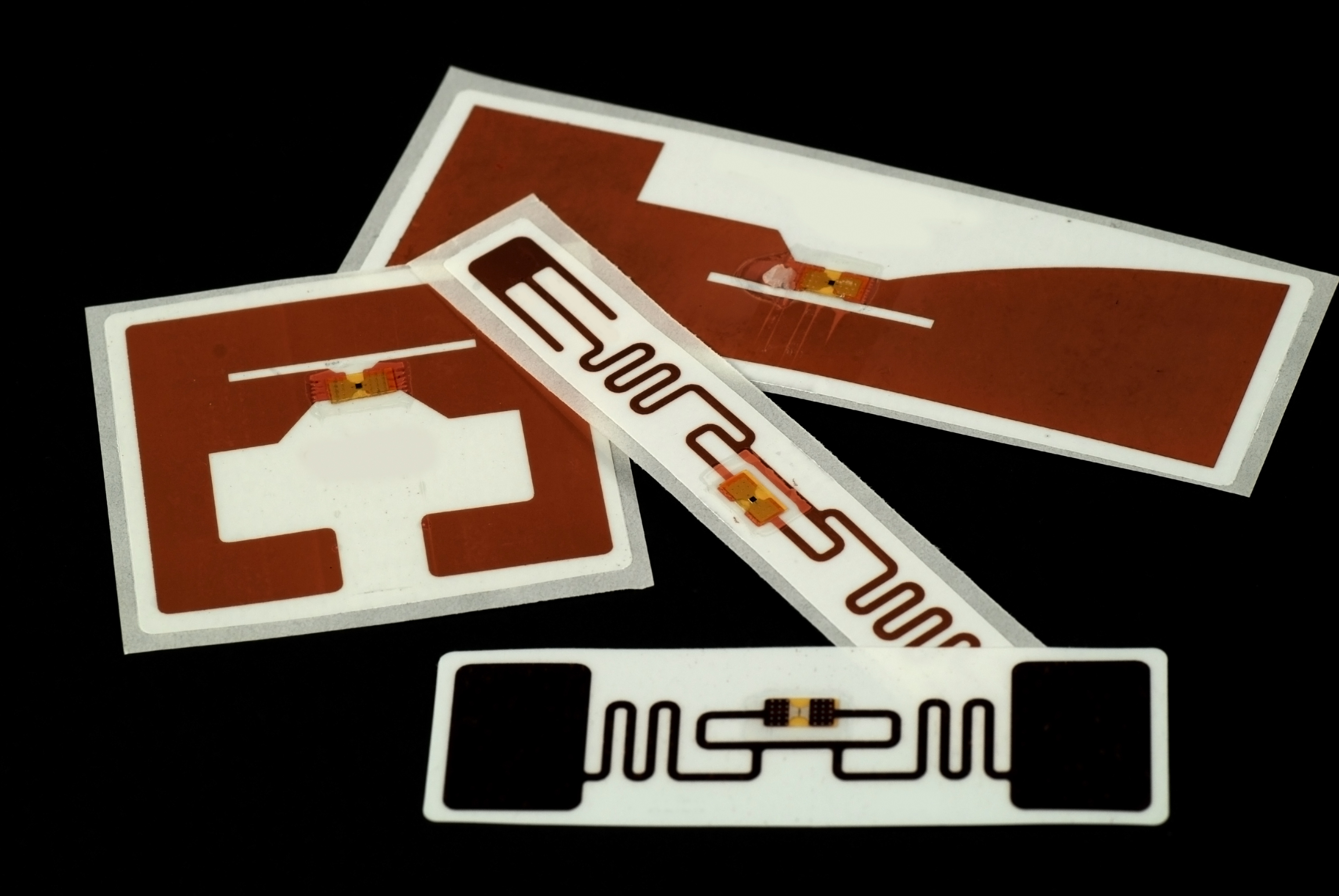
The AIM trade association and the AIDC 100 organization predict that barcode usage will continue for years. While other technologies, most notably RFID, have the ability to perform the similar functions, nothing so far matches the security, utility and the cost-effectiveness of barcodes. Furthermore, there is no pressing need to replace barcodes, which play nice with RFID and other automatic identification technologies. RFID will replace barcodes where it makes functional and financial sense, but barcodes will continue to do what they do best.
Besides RFID, other technologies may also have roles to play alongside of barcodes. Vision and recognition systems are not likely to replace barcodes because they cannot identify individuals of the same generic type—for example, one banana from another. Nor can they distinguish expiration dates, batch or lot in case of a recall.
Electronic watermark systems such as Digimarc® and other covert marking systems, may replace visible barcoding as we know it. But they impose added cost for a special printing process and do not eliminate the time and handling required for line-of-sight scanning. Specially enabled scanners are also required.
RFID technology has been advancing. Printed electronics is showing lots of promise in making chipless RFID much less expensive. Not to be confused with printed circuit technology which is actually a subtractive, chemical etching process, printed electronics is an additive process, adding circuitry and multilayer components using special conductive and semi-conductive inks to a non-conductive substrate such as paper. How cheap can chipless RFID be? Probably not as cheap as a square inch of ink for a barcode.
Your comments are always welcome.