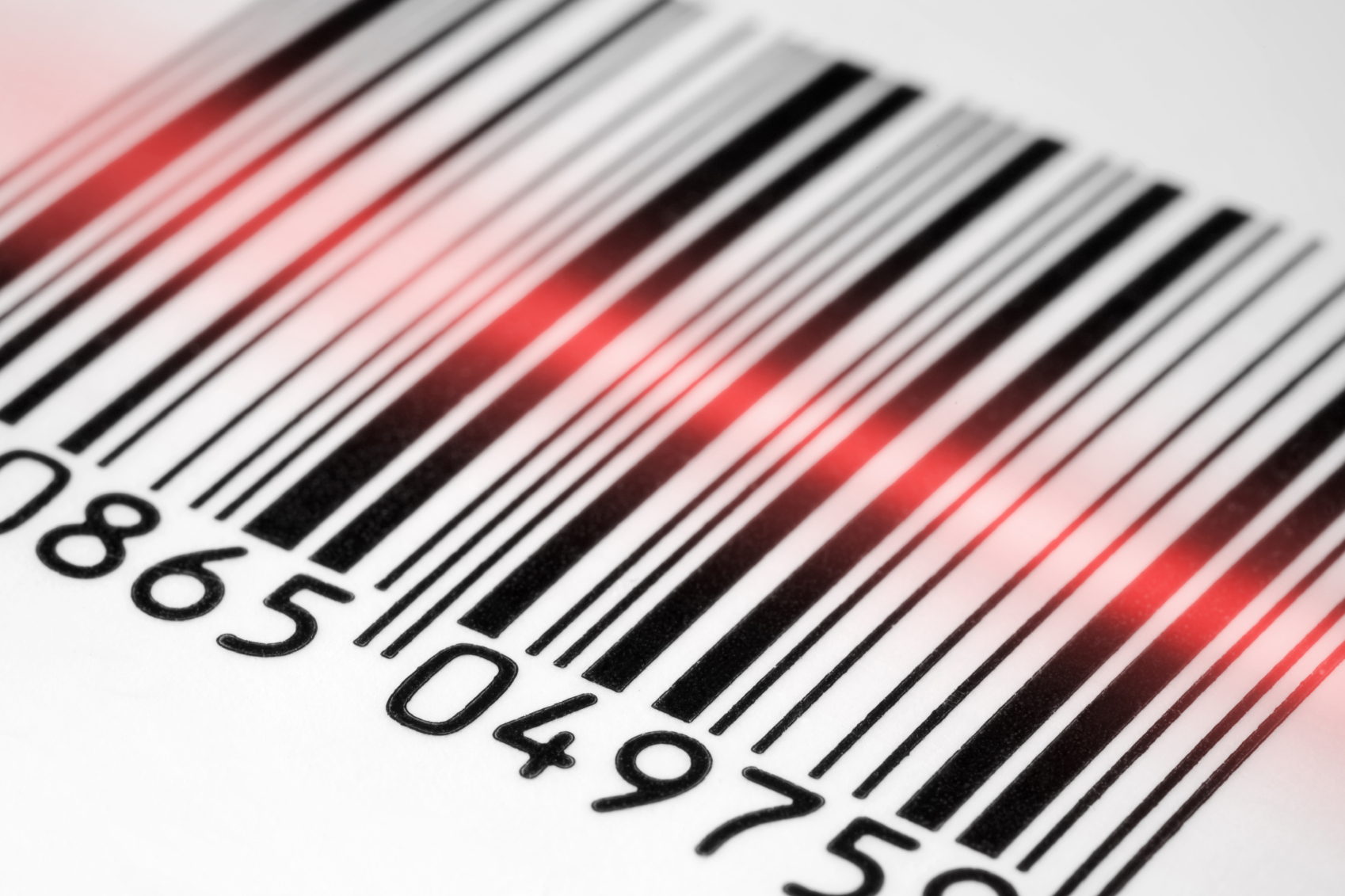
 The death of the ubiquitous UPC symbol has been predicted almost from the start. The parade of successors has including everything from RFID to computer recognition, but it looks like the UPC will be killed by a more capable barcode.
Farewell UPC
When you think of it, it is remarkable the venerable UPC been in use nearly 50 years. Remarkable for any technology, but also remarkable because it contains so little data. UPC has served retail consumer goods, food and beverage, health care, pharmaceutical and innumerable other point of sale systems globally—storing only 12 bytes of data. Amazing. Limited data capacity is driving the replacement of UPC . The replacement will still be a barcode, a 2D symbol with far more memory.
GS1 US is publishing a test kit to help retailers prepare for the migration, which is planned for 2027. GS1 is a global supply chain standards organization.
A Better Barcode
2D barcod es are already well established in non-retail usages. Medical devices and pharmaceuticals are already marked with QR Codes and Datamatrix symbols. In these applications, the additional data capacity enables the barcode to do much more than just identify an item. One reason the UPC has lasted so long is that it identifies a class of product, not an individual item. For example, every 12 oz. can of Coca Cola of a particular type (Diet, Zero, Classic) bears the exact same UPC. Item-specific data such as expiration date is added in a separate, text-only print process. This is not particularly problematic unless a recall is needed. This was a hard-learned lesson from the Tylenol crisis of 1982, when three people in Chicago died as a result to taking poisoned Tylenol. With no way to identify where those specific bottles came from or when they were made, Johnson & Johnson had no choice but to recall every bottle of Tylenol.

A Better Supply Chain
2D barcodes have enough data capacity to identify a product and every essential attribute of its individuality, including data of manufacture, expiry, lot or batch number, manufacturing location and a long list of additional attributes. One barcode can do it all.
This will significantly improve supply chains. Barcodes with greater data capacity improve inventory management, recall readiness, ethical sourcing, sustainability, upstream product validation and brand trust.
The benefits to supply chain and retail establishments come with a cost. Many point-of-sale scanning systems cannot read the 2D barcodes that are necessary to carry the additional amount of data. Digital camera scanners must replace laser and CCD scanners. Other infrastructure improvements may also be required to handle the additional volumes of captured data. Progress is expensive. But this is meaningful progress, beneficial to supply chains and the consumers they serve.
 Questions or comments? Contact us or schedule a free 15 minute meeting here.