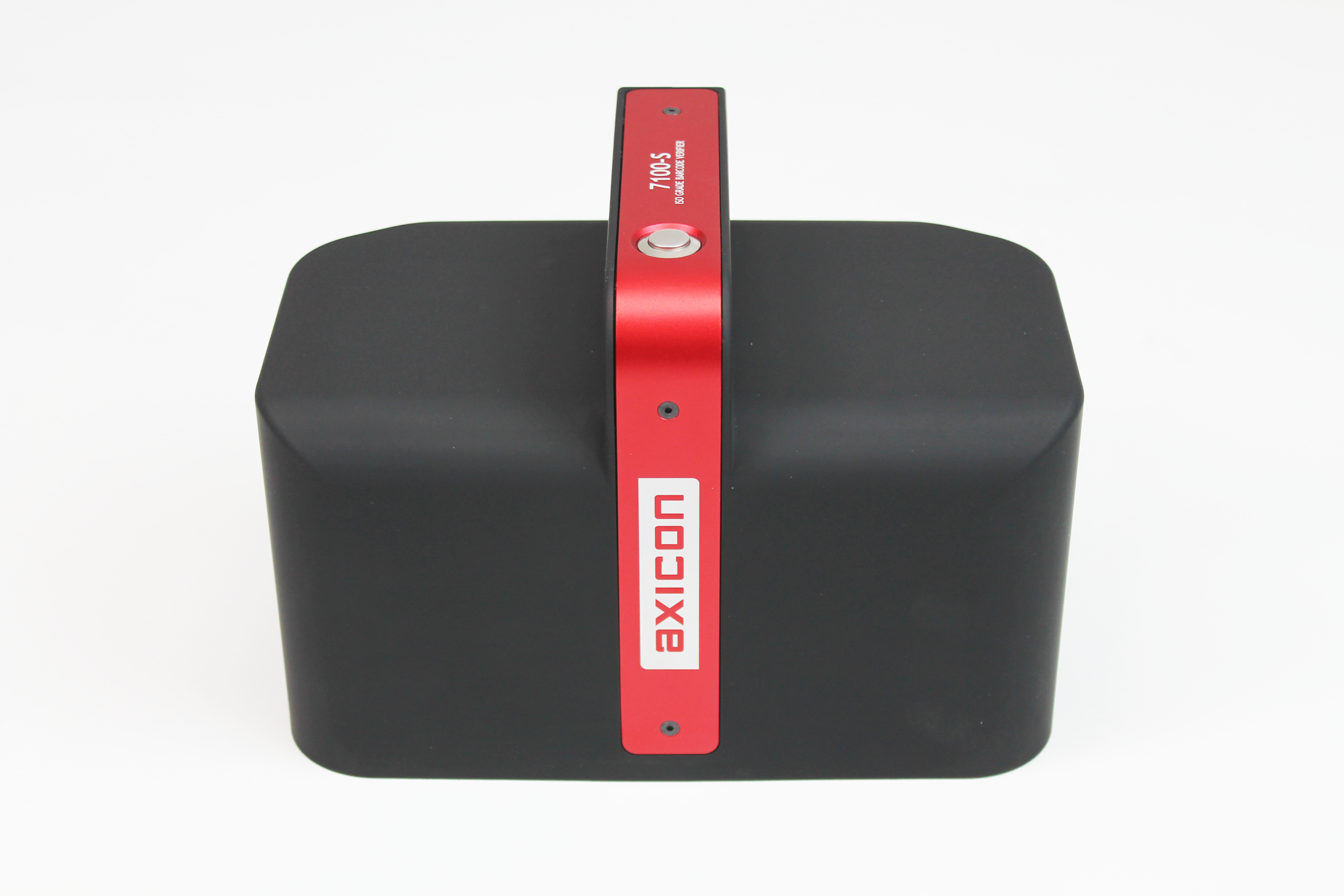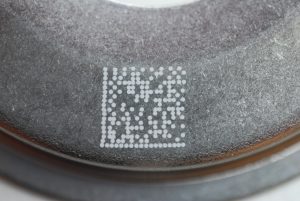
Different people will read this headline and draw different conclusions about what it means. I’ll cut to the chase. While it is sometimes possible to tweak verifier settings and improve the ISO grade, this rarely helps and usually makes a very small difference. In most cases, unless one of the verifier settings is dead wrong, playing with the settings will not change the final grade or make it worse.
But, to the original agenda, it is important that verifier settings be correct. Here is how to do that.
- Do not enable all the plugins. Verifiers cannot distinguish a distribution barcode from a retail barcode. Verifying GS1 healthcare barcodes is a good example. GS1 healthcare UDI barcodes for distribution h

pexels-bijou-baby ave larger X dimensions and therefore should be verifier with larger apertures; the smaller X dimensions in retail and bedside barcodes are properly verified with a smaller aperture.

One Size Fits Some
This is just one area in which a “one-size-fits-all” method of verifier configuration does not apply.
- Check digits is another. Most barcodes use check digits—but not all do. Code 39 and ITF are exceptions: check digits are optional. All GS1 barcodes (including Code 39 and ITF) must have check digits but other Code 39 and ITF applications may or may not have them.
-

What Does “Best Results” mean?

Properly setting the verifier is the best way to make sure the grade reflects scan performance most accurately. Don’t forget—that is what a verifier is designed to do. If “Best Results” means getting the highest possible grades, you are missing the point.
GS1 specifications can cause verification grads to be lower. The ISO standard recommends an aperture of 80% of the X dimension. GS1 conflicts with this. For example, UPC-A barcode X dimensions can range from .0104” to .0260” yet GS1 recommends verifying all with a Number 6 (.006”) aperture. While this may not make s significant difference with most barcodes, the small aperture is more sensitive to defects (voids in the barcode or spots in the spaces and quiet zones) that an 80% aperture cannot see.
GS1 or ISO?
GS1 specifications for DataMatrix do the same thing with the same result. The verification report will be needlessly downgraded.
Why does GS1 deviate from ISO recommendations? It is unclear. One guess is that they minimize the range of verification apertures to keep it simple. The recommended apertures are always smaller than X dimensions, which is an important consideration. But too small can cause problems, as we have indicated.
Final Form
- Verify the barcode as it will be seen by the end-user’s scanner.
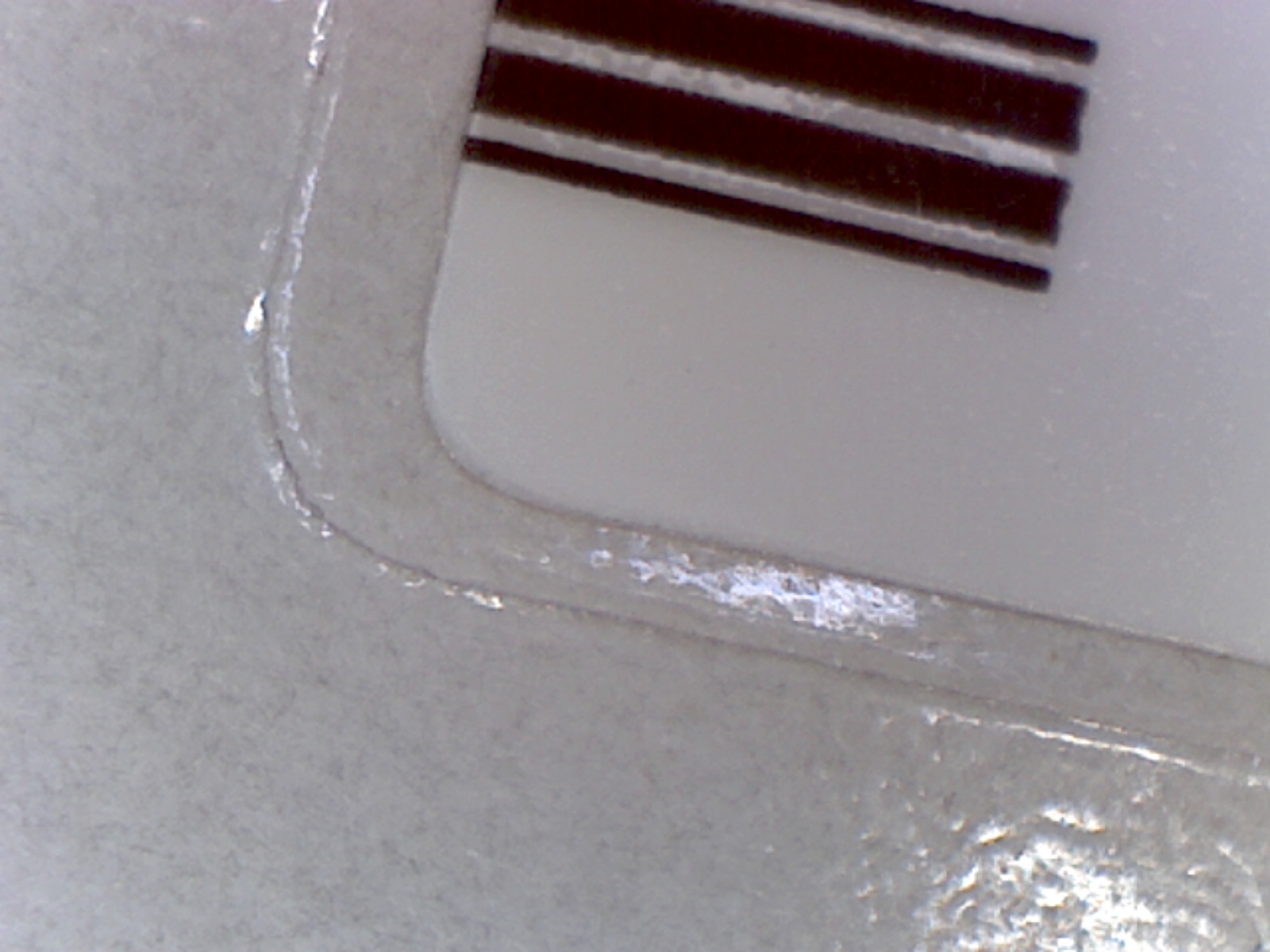
A barcode will probably grade better before the laminate or the shrink-wrap is applied. If the lam or shrink cause a problem, the time to fight that battle is before the supply chain breaks, before the retailer’s frontline triggers chargebacks, before a fatal mistake is made at bedside dosing In the ICU or maternity ward. Never optimize a barcode to achieve a higher verification grade under non-authentic or test conditions. That’s not where the barcodes do their important work. Barcodes work in the real world—that’s where their performance matters.
 Questions and comments are welcome. Contact us here.