The GS1 organization estimates that the worldwide average number of barcodes scanned each day is more than 5 billion. Without a doubt, this testifies to how relatively easy it is to print acceptable quality barcodes. Yet there are vexing barcode quality problems, and one of the most misunderstood is lamination. Ironically, lamination is required in applications where the barcode’s role is most critical: health care, medical devices and pharmaceuticals.
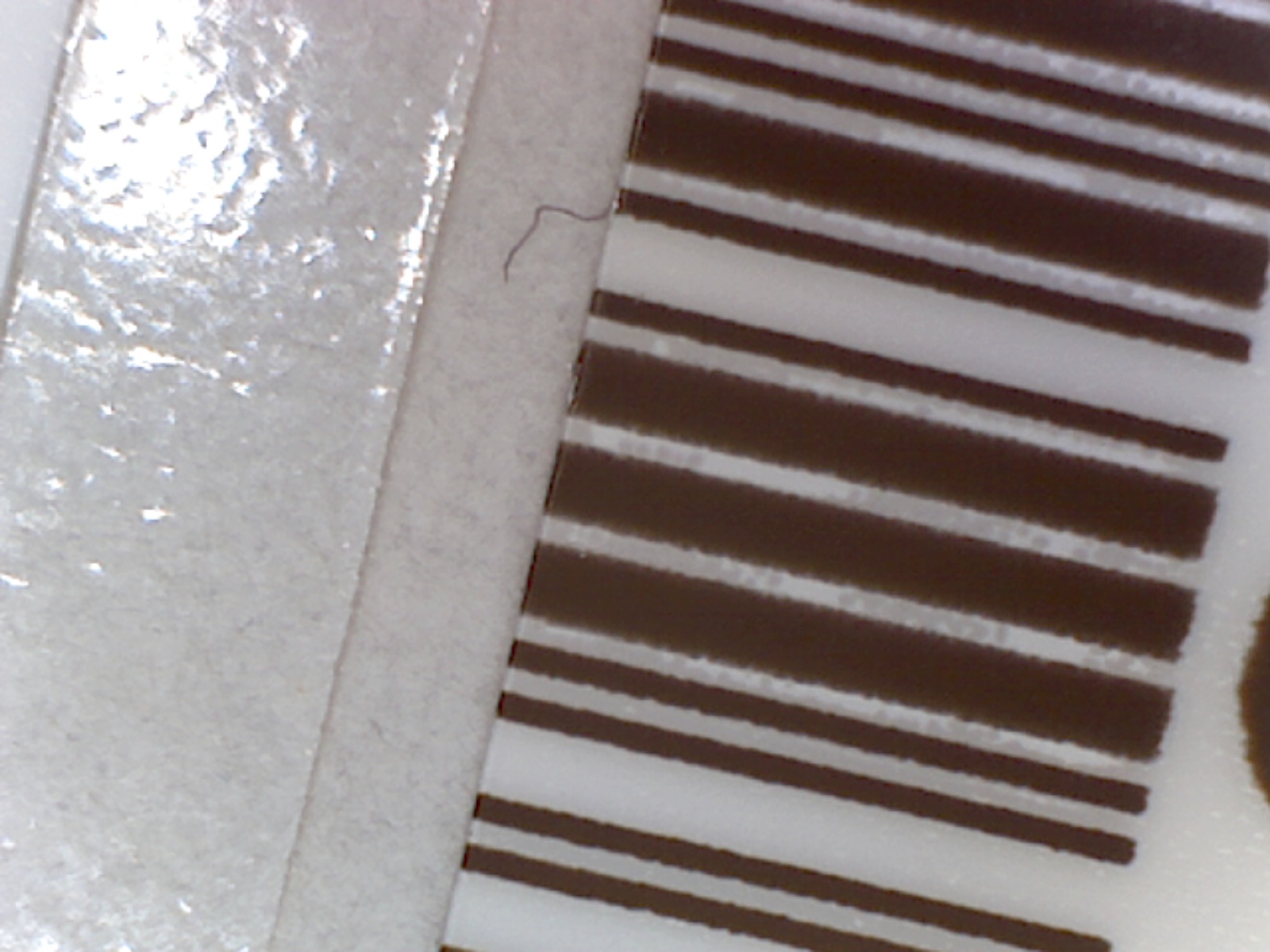
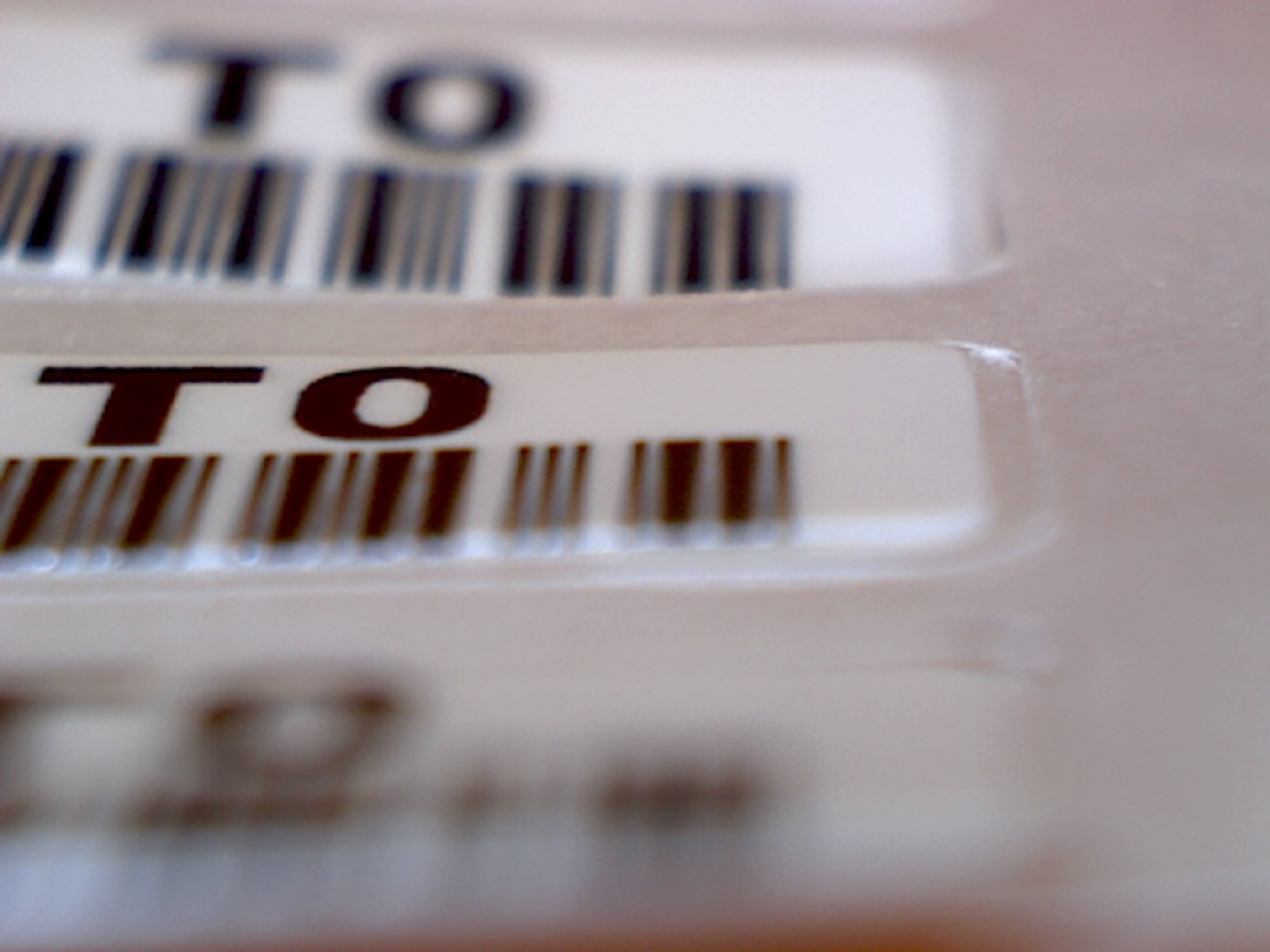 Lamination is the process of bonding a plastic overlay onto printed material. Sometimes it is thought to enhance the appearance and attractiveness of the package or label. Most often, laminate makes the package more durable. In a health care environment, a laminate protects the printed material from disinfectant sprays or wipes. Although printed information is preserved and remains legible, barcodes can become illegible even though they look acceptable.
Not all laminates are the same. There are differences in transparency, surface types, thickness and adhesives. Any of these factors can make even a high quality barcode difficult to scan. Why? Scanning detects the reflective differences in a barcode. Anything that detracts from the reflective differences makes scanning difficult—or impossible.
Laminate Properties
- Surface
A glossy surface can diminish the reflective difference between the dark values (bars) and light values (spaces and quiet zones).
A matte surface can soften the transitions from dark (bars) to light (spaces), making the relative differences in their widths less acute.
- Transparency
Laminates that are more translucent will deteriorate barcode performance more than clear laminates. Laminate formulation, interaction with the substrate or the ink on its surface, effects of time and temperature can all be factors.
- Thickness
Thickness can optically relocate features and edges, much the way items in water can appear bent or shifted. This can be aggravated when applied to a curved surface, where the drop-off angle increases at the edges of the barcode.
- Adhesive
Even if the laminate material is optically clear, the adhesive is an additional layer with its own optical properties, its own sensitivity to substrate, time and temperature.
- Application
Laminate material can change its optical properties depending on how it is applied, and what it is applied to. Application speed and pressure can affect the surface of the substrate. Variations in process heat, either inherent or generated by the process can also change the substrate surface. Laminates can react chemically to the substrate, causing and trapping bubbles, disrupting the integrity of the barcode image.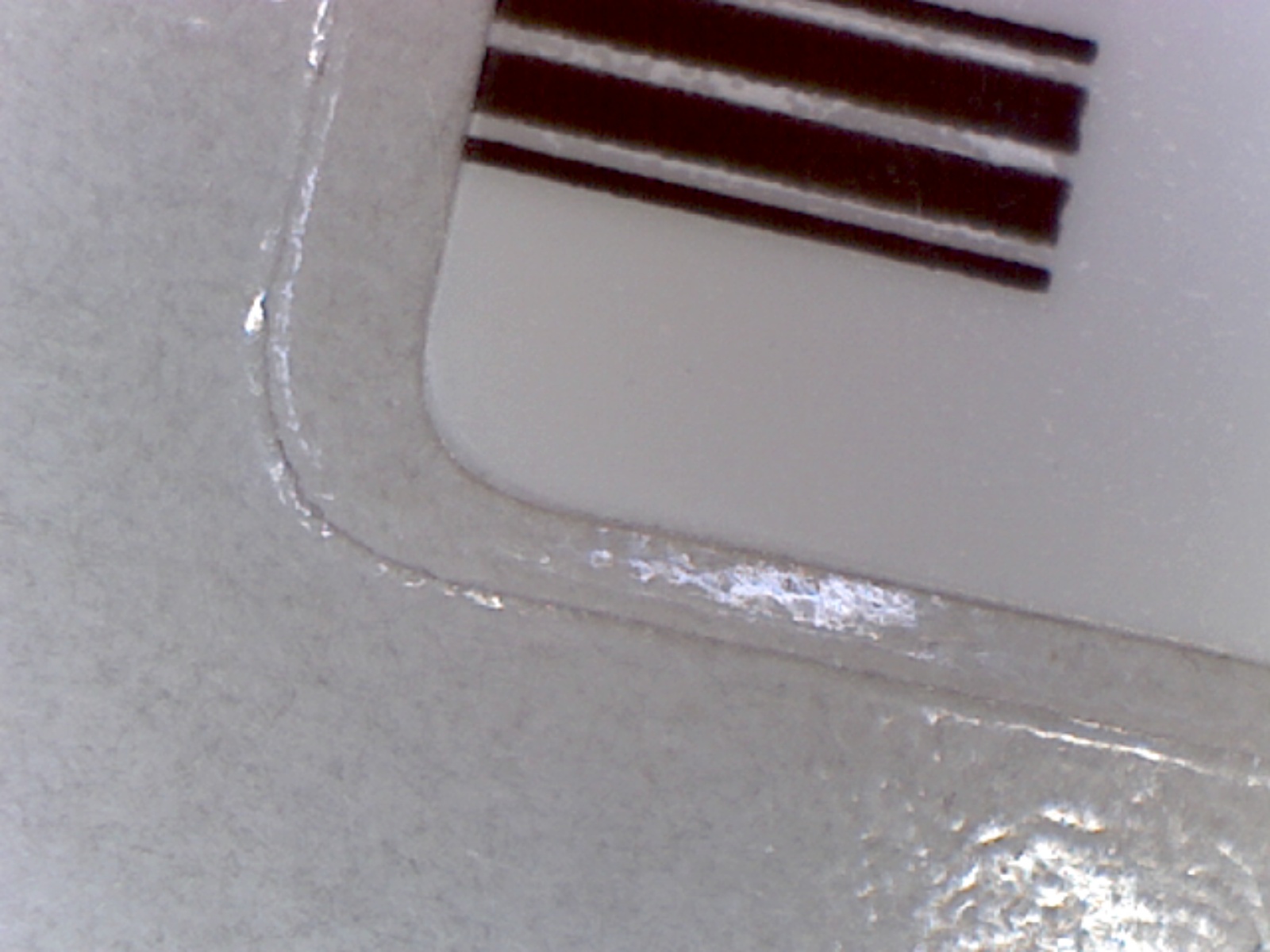

Narrow spaces are particularly affected by laminate. Binary barcodes with smaller X dimensions and smaller wide-to-narrow ratios are more affected than barcodes with larger X dimensions and wide-to-narrow ratios. Struggling to fit a Code 39 or ITF barcode onto a small label and using an X dimension smaller than 10 mil, a laminate can render the entire project impossible.
There are solutions if trading partners all consent:
- Encode less data to make it possible to increase X dimension and wide-to-narrow ratio
Attempting to encode more and more data on a small label is a squeeze play that will inevitably reach an end. Less data could be a solution…or….
- Use a larger label
….to make space available.
- Switch from 1D barcode to 2D
2D symbologies have only one element (dot) size and can encode data more efficiently, taking up less space. This could make it possible to use a larger X dimension and allow for the required laminate.
 Once a laminate is tested and accepted, users are advised to avoid unnecessary changes in laminate manufacturer, vendor, substrate material, ink and application methods. Promised savings can quickly disappear when barcode problems arise.
A FINAL THOUGHT
Verify your barcodes before they are laminated. Laminating an average or marginal barcode will not improve it.