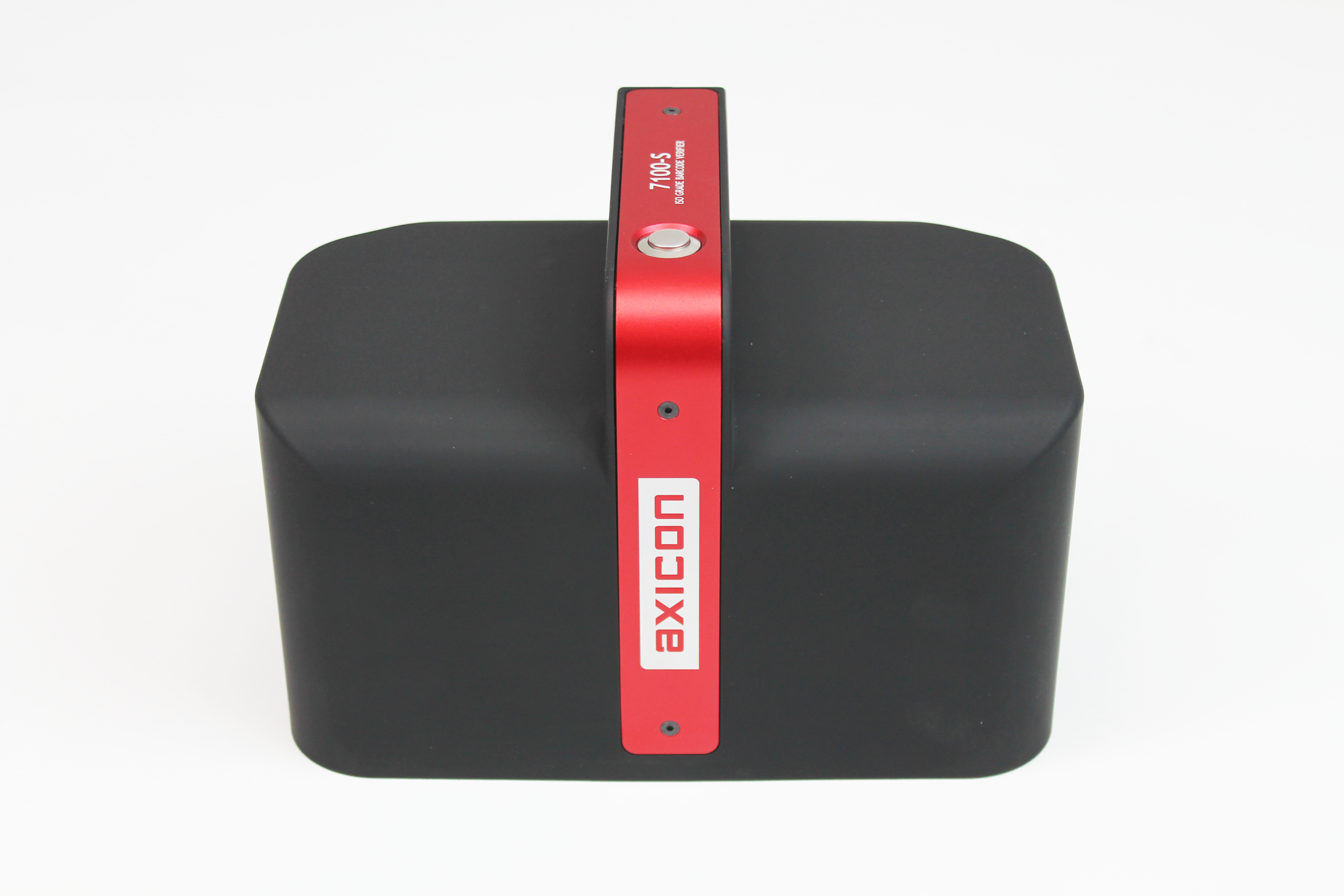
When barcodes scan incorrectly, or fail to scan altogether, it is always an unexpected event. It should not happen. There are five basic steps everyone can take to give a barcode every advantage to perform well. It is neither complicated nor expensive to take these steps. Anyone can do it. Some planning and note taking is all that is required.
-
Bar Width Reduction

Use the right barcode file for your print process. The “right” file has the correct amount of compensation for print gain, also known as Bar Width Reduction. There is no standard amount of Bar Width Reduction for the various print methods. To determine what it is for your process, start with a barcode file with a known amount of Bar Width Reduction. Then measure the bars in a barcode printed with that file. If they are greater than nominal, the Bar Width Reduction in the file is inadequate. If they are thinner than nominal, decrease the Bar Width Reduction in the file.
-
Use a Certified Barcode File
Not all barcode digital file providers  are the same. Sourcing from the cheapest provider is a recipe for disaster. The barcode file should be as near to perfect as possible. Subsequent printing steps do not improve on a marginal digital file. Look for a certified GS1 Solution Partner to source your digital barcode files. It might cost a bit more initially, but will cost a lot less in the long run.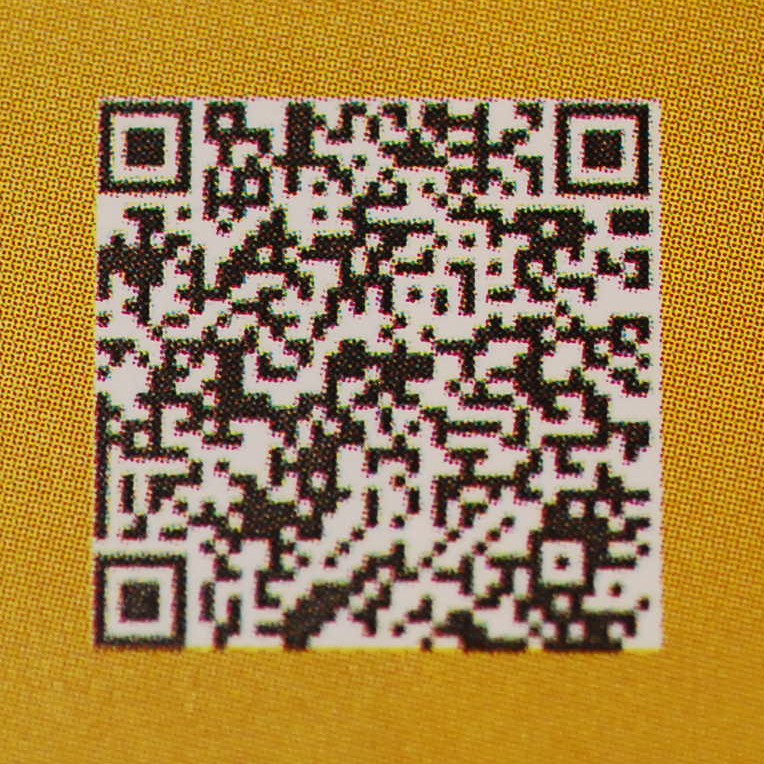
-
Quiet Zones
Ensure big enough quiet zones. Virtually all barcodes, 1D and 2D, specify a minimum quiet zone. That means that a bigger quiet zone is perfectly fine. Just do not make them too small. If the space is available, make the quiet zone a bit bigger. It makes it easier for the scanner to find the barcode amidst surrounding text and graphics. Adequate quiet zones make scanning faster and more accurate.

-
Truncation
Making the bars of a 1D barcode shorter makes it harder to scan. The design standard prohibits needless truncation of barcodes. A truncated barcode takes longer to scan. If there is not enough space for a full height barcode, then truncation is permitted. Otherwise, it could result in a chargeback.
-
Size Matters
Use the best barcode size for the situation. Bigger is better for some important reasons. A bigger barcode provides more bar and space width tolerance, and that makes it easier to print a good barcode. Bigger also means less likelihood of transposition errors. This is when the scanner misreads some of the bar/space patterns and incorrectly decodes the barcode.
These five simple steps can end up saving a lot more than money. Barcode problems disrupt business processes at all levels, from retail checkout and inventory management to upstream distribution, supply chain operations and manufacturing. High quality barcodes make everything work better. When barcodes work right, hardly anyone notices—and that is what you want. Everybody notices bad barcodes. Best to avoid this kind of attention.

Comments are always welcome. Contact us here.