
 When barcodes arrived in retail in 1974, the shopping experience changed significantly, both for the shopper and for the retail establishment. The shopper got through the queue quicker, with less of a social encounter checker. The store got greater control over inventory and pricing. The shopper saw fewer product shortages and outages. The store saw margins improve as pricing errors diminished. The shopper gained the collective effects of product popularity. The store also benefited from the new data and reacted more quickly. It was a sea change.
By comparison, the changes that Digital Link will bring will be barely noticeable to the shopper. But they will be vastly more significant. The Digital Link barcode will do far more than the lowly UPC has ever dreamed of, and that will make quality and compliance more important than ever.
Just a QR Code
A common and dangerous mistake that is already showing up in the test labs is the idea that it’s just a QR Code. Sending the user to a website is nothing new. Digital Link looks like the QR codes we’ve seen for years, but it’s really a very different barcode.
Unlike legacy QR Codes, Digital Link is not a self-contained data carrier like the UPC, which only performs product lookup for pricing and inventory. The difference runs deeper than just data capacity. Much deeper. Digital link is a UPC plus a backend web service called a resolver.

Traffic Control
The resolver is like a traffic controller for the infrastructure contained in the QR Code. For a grocery item, that infrastructure could include:
- Product information for the food and beverage consumer, recipe ideas, storage recommendations, allergen warnings, and recommended use-by date
- Frontline checker notification of expired sell-by date
- Supply chain information for the retail outlet: debiting the inventory, building a replenishment order, and initiating supply chain activity
These are just a few examples of how Digital Link will impact retail and consumer goods transactions. A completely different set of functions will be handled by a Digital Link resolver in healthcare and pharmaceuticals, apparel and footwear, variable weight fresh foods, logistics, and supply chain information for proper handling and storage, dynamic routing, and cloud-based warehouse management.
The resolver parses the relevant information and delivers it where needed—it is not a “data dump” for everyone. Digital Link makes the barcode into a live connection point, not a static identifier. The same barcode can serve a wide variety of purposes and users. Its versatility makes it relevant across a wide range of industries and functionalities simultaneously.
Don’t Trust Your Smartphone
The net effect of all this integration of data into a single, powerful symbology is that quality and compliance are more important than ever. Print quality is of course important, but system-level considerations such as data accuracy, syntax validation, resolver compliance are equally important. Just because your smartphone successfully reads the QR Code means very little.
Need proof? Scan this Digital Link symbol with your smartphone. Scans fine, right? It contains a fatal error your smartphone misses. 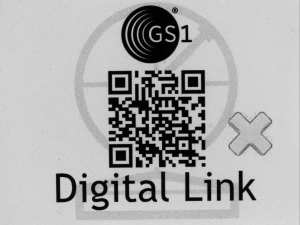
 Questions? Contact us here.


