We’ve written before about the importance of using an ISO compliant barcode verifier but we’ve never talked specifically about what ISO compliance is and what it means. But let’s begin at the beginning and first discuss what the ISO organization is, who they are and what they do and do not do.
ISO is the International Organization for Standardization—they develop and publish international standards on everything from health, water quality, food safety and climate change to many,
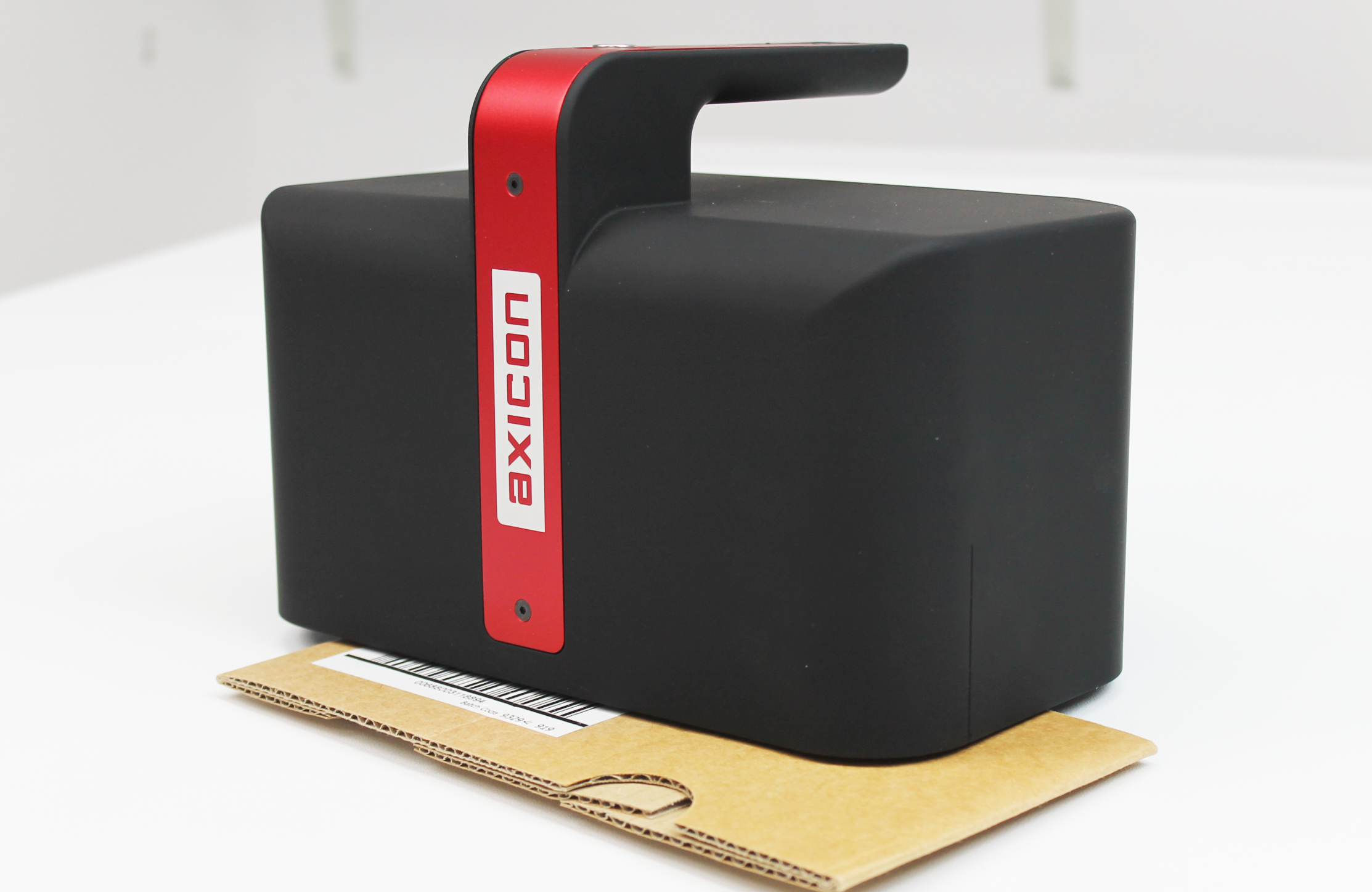
many other areas. ISO has nearly 20,000 international standards covering many aspects of technology and business. The keyword in the role and mission of the ISO is “standards”. A standard is a statement of requirements, specifications and attributes that are used to establish a minimum level of performance for a product, process or service. Some people argue negatively that standards establish a baseline of mediocre or least acceptable quality and restrain innovation and improvement. While that may be a possibility, in a more positive sense, standards establish a threshold of acceptability for a product, process or service and help to raise awareness of the uncertainty (AKA “risk”) of anything non-compliant. Therefore, if it is true that a standard sets a low bar for standardized performance, a non-compliant product or service could perform at an even lower level, and perhaps not work at all for its intended use. Is that “risk” enough for you?
What does ISO compliance actually mean? Contrary to what some believe, the International Standards Organization does not certify organizations, equipment or processes—ISO only develops and documents the standards. External organizations perform the certification process. Thus, an ISO compliant barcode verifier has been inspected and certified by a third party organization which is an accredited certification organization. Those organizations use specific tools and procedures the check and evaluate whether the device—in our industry, a barcode verifier—is performing within acceptable tolerances to be certified as compliant to the ISO standard.

It is possible for non-certified organizations—for example companies who own a barcode verifier—to use those same tools and procedures to test the performance of their own verifier, to see if it is operating within allowable performance tolerances. Some barcode verifier manufacturers make those tools, called Performance Qualification Test Kits, available to their end users. The data sheets for the Axicon IQ/OQ/PQ Test Kits are available upon request. NIST traceable Calibrated Conformance Standard Test Cards are also available, for various types of barcodes, which can be used to test verifier performance. If a verifier PQ test reveals non-compliant performance on any test, the verifier cannot be re-certified until it has been returned to the manufacturer for service. This is where third party testing is generally considered more authoritative than user self-testing.
PQ or ISO compliance testing is not to be confused with reflectance calibration, which is done with a reflectance calibration test card supplied by the verifier manufacturer. This checks that the verifier is detecting correct dark and light reflectance values from a card with known reflectance values.