When a barcode fails to scan, the silence of no “beep” is deafening and troublesome. What to do? Where to start?
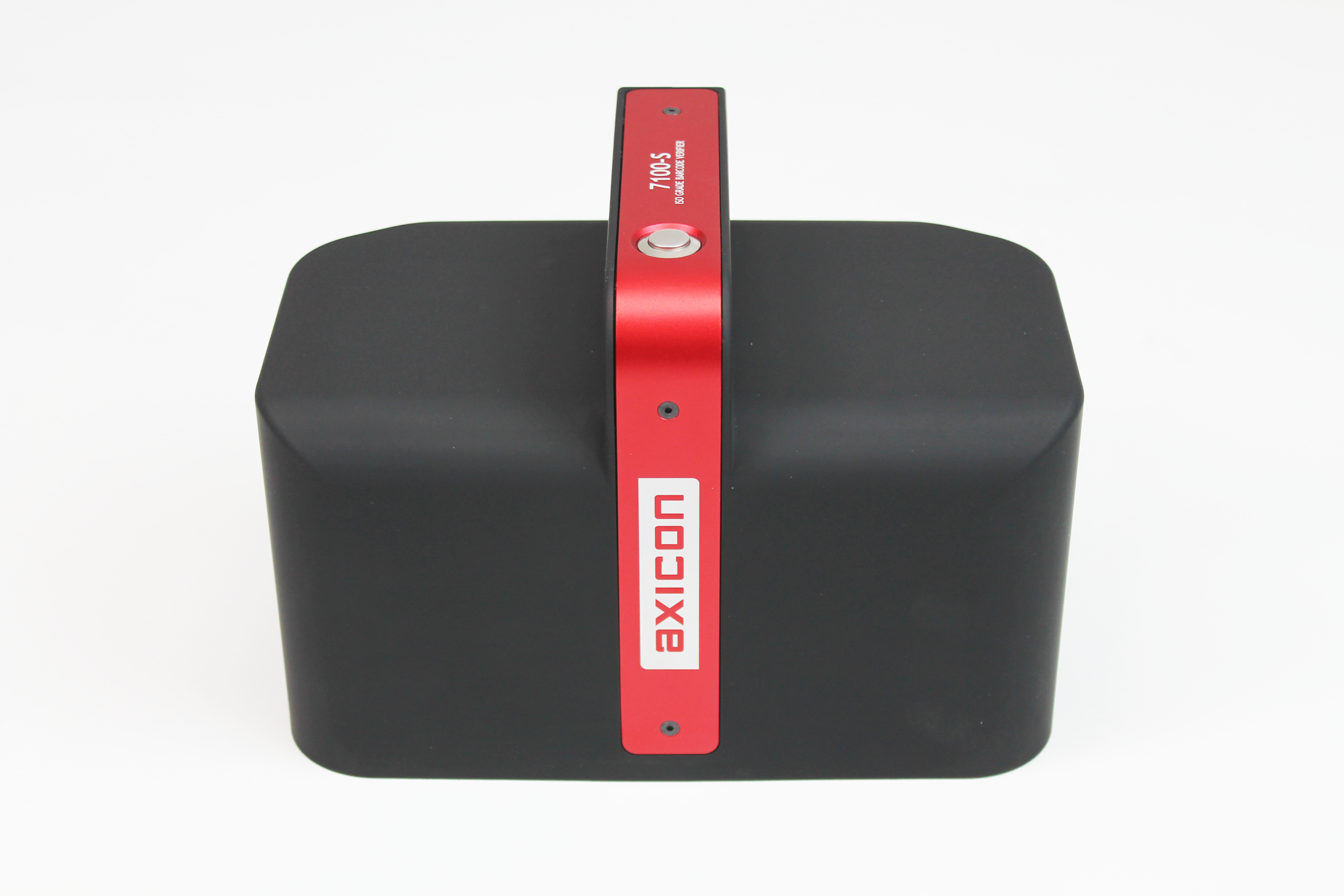
The obvious answer is to use a verifier. Usually—but not always—when a scanner cannot decode a barcode, a verifier can. Verifiers have a special decode algorithm that makes it possible to read even a very poor quality barcode. Verifiers cannot produce a diagnostic report without decoding the symbol. The whole point of a verifier is to test and grade a barcode—even a very poor quality barcode. The unique ability to read very bad barcodes is built into verifier capabilities.
A procedure for barcodes that do not scan
But there are limitations. When a verifier cannot read the barcode, what then? Here is a strategy and a procedure to help you diagnose and solve a non-scanning barcode.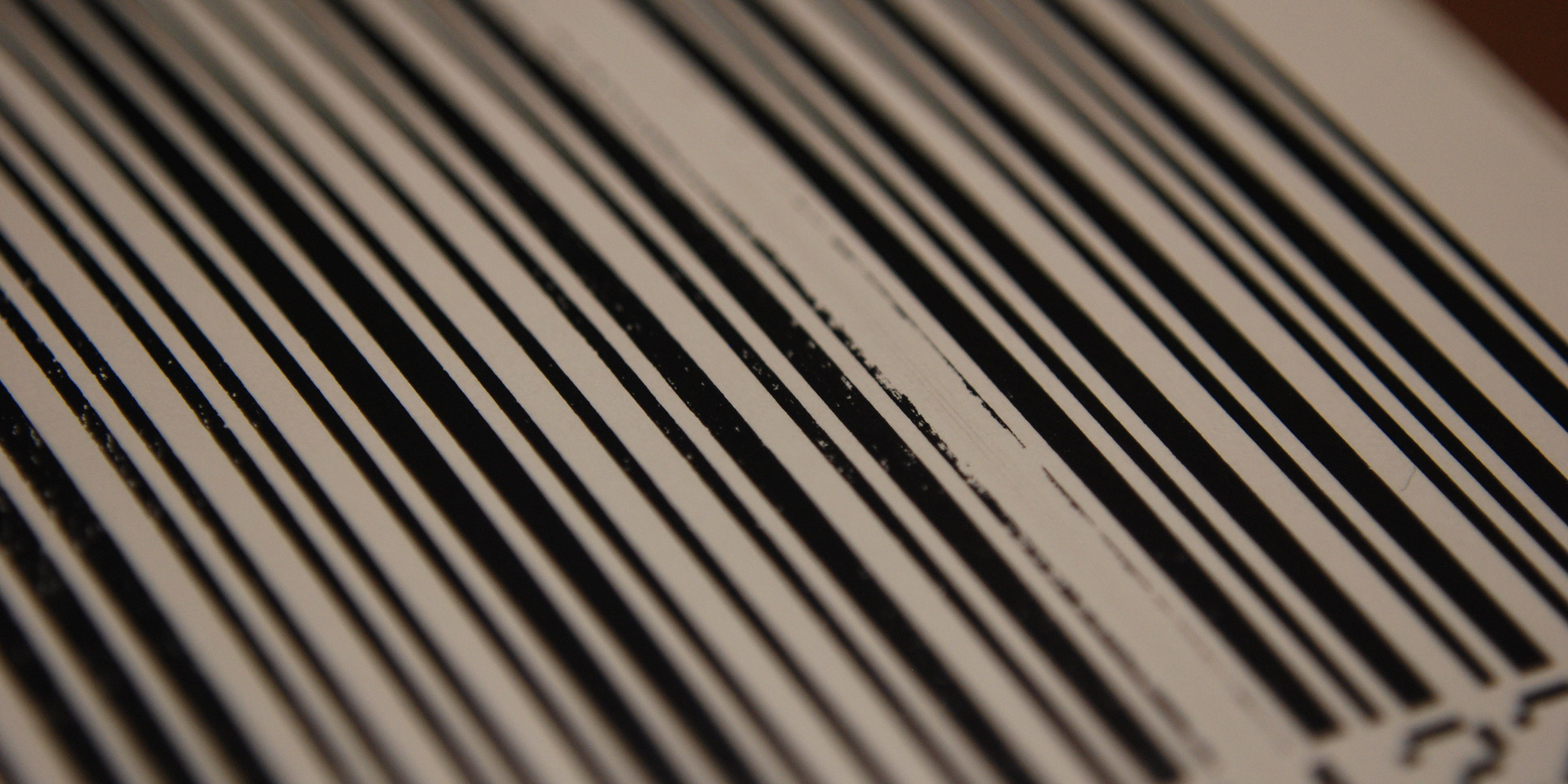
- Count the bars. This is not practical with all barcode types but with UPC it is easy. Version A or full size UPC has 30 bars, 29 spaces. If a bar is missing or there is an extra bar, it will not scan, no matter what you do. Counting the bars only works for 1D barcodes.
- Examine barcode bars with a low power magnifier. Burned out thermal pixels and clogged ink jet nozzles cause barcode defects. Inkjet nozzles can clog Are there very small lines running through some of the bars? Do these lines continue above and below the barcode, also visible in text or perpendicular lines across the label? There may be burned out pixels in the thermal print head or clogged ink jet nozzles.

 Thermal pixels and inkjet nozzles cause damage

- 2D symbols are similarly damaged. Capable as they are to correct errors, this capability is limited. Once all the error correction is used, they can fail to decode.
- All symbol types have small dark elements (bars or squares) and light elements (spaces) of the same size. If the small dark elements are larger than their light small element equivalent, the symbol is overprinted. An excessively overprinted barcode will not scan.
- Lamination causes scanning problems. Test the barcode before the laminate is applied. Isolate lamination as the problem.
- Background patterns behind the barcode cause a scan failure. A scanner or verifier cannot distinguish those extra dark areas as not being part of the encoded pattern. A problem pattern can be regular, such as a halftone screen, or it can be random, such as text or graphics in the background. Sometimes product in the package causes a problem.
- Quiet zone violation causes a 1D or a 2D barcode to fail to decode. Examine the symbol closely. Are there infringing text or graphics? Is the symbol too close to the edge of the label or the corner of the package?
Barcodes are usually so reliable, we forget that our eyes and a low power magnifier can help to understand why a barcode will not scan.

Comments are always welcome. Contact us here.