Sometimes the best of intentions yield less than the best results. A common example: brand owner supplying the barcode file to their package printer. This is not intrinsically a bad idea. The brand owner maintains control over their barcode and prevents the wrong barcode getting on the package. The concern comes from multiple printers handling a variety of the brand’s products: it is a situation rife with error opportunity.
The solution itself can be a problem. The barcode file is not just a string of numbers. The barcode file must be properly prepared for the packager’s print method. The most critical issue is bar width reduction, which can vary from printer to printer, and even from press to press in a single facility. If the brand owner has the capability of producing the barcode file, they can likely produce it appropriately for their packager. To do so they must communicate with their vendor, acquire the correct file settings for bar width reduction, and then make sure file is correctly modified.
A similar brand owner mistake is to create barcodes with font files. EPS files are more accurate and transferable from graphics systems to printing systems. Fonts work well in closed loop systems where the same software is used throughout the entire process, from design to output. Fonts can cause problems across a variety of platforms.

Size Matters
Often barcodes squeeze into the smallest possible space on a label or package. Several problem can result. Quiet zones are a frequent victim. Seemingly minor press gain can cause encroachment into quiet zones. Smaller barcodes are harder to print accurately. Smaller bars and spaces have significantly decreased width tolerances. For example, a 100% UPC symbol has a bar width tolerance of nearly .004”. An 80% UPC, only ¼” smaller, has a bar width tolerance of slightly more that .001”! If there is enough room for the larger barcode, insisting on—or providing the file only for—the smaller symbol causes the printer needless headaches.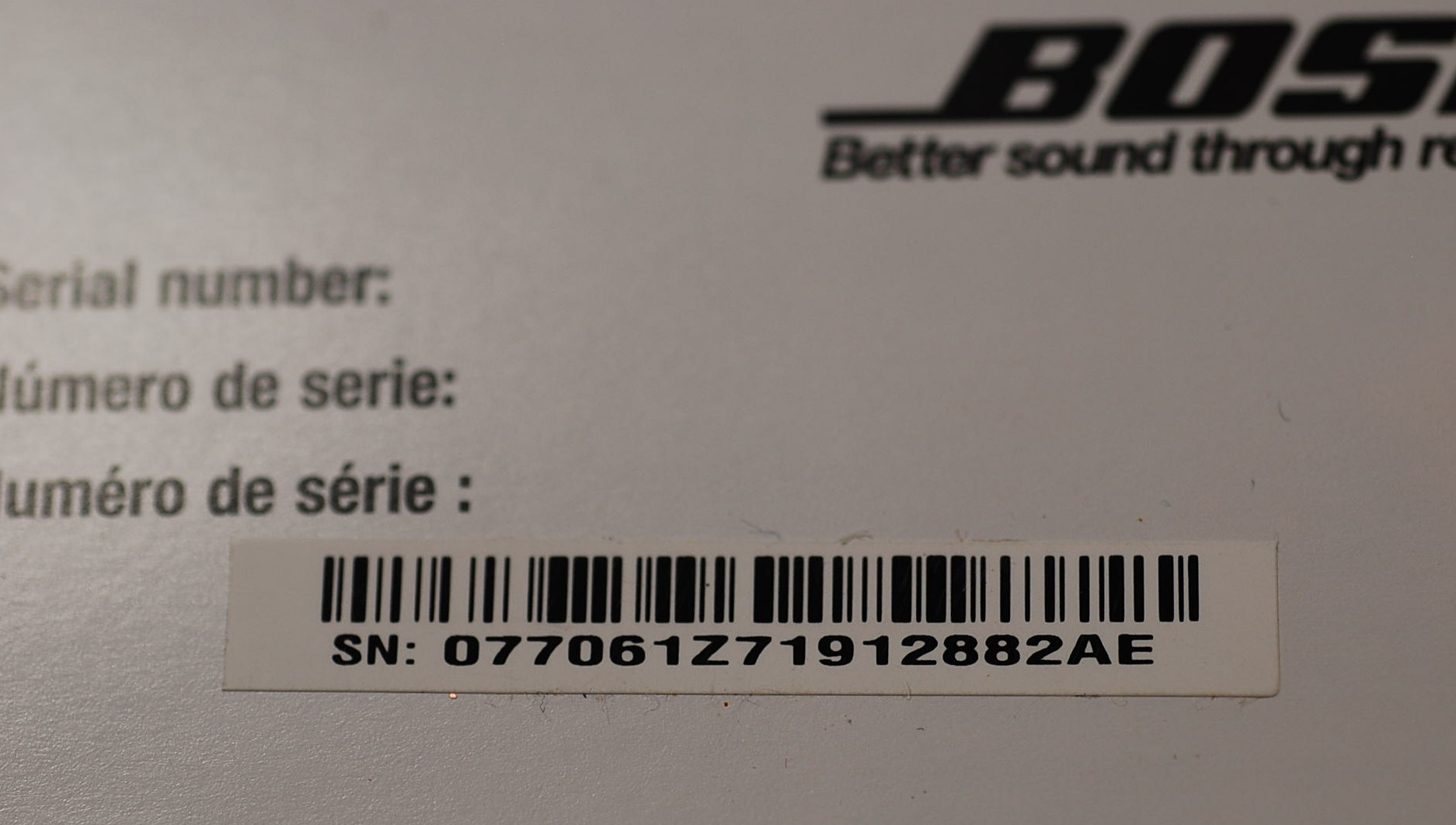
Similarly, needlessly truncated barcodes makes scanning slower and more difficult. That invites chargebacks. GS1 specifically prohibits truncation in all situations where a full-height barcodes is possible. Where necessary, truncation should be minimized.
Communicate
These are numerous other ways that customer-provided barcode files can unintentionally cause problems. The best way to deal with these inadvertent problems is to respond in a way that is consistent with the best practices intent. Communicate the problem as soon as you become aware of it, as clearly as possible.
The brand owner / customer may insist on your using the files they provide as is. In that case, you have a decision to make. Decline to accept the work based on the possible liability you may incur; or accept the customer’s decision and ask them to sign a waiver of liability. In either case, explain the reason based on the published standards for the applicable industry. The GS1 General Specifications (July 2019) probably addresses your concerns. Contact us here if you need assistance.
Comments are always welcome.