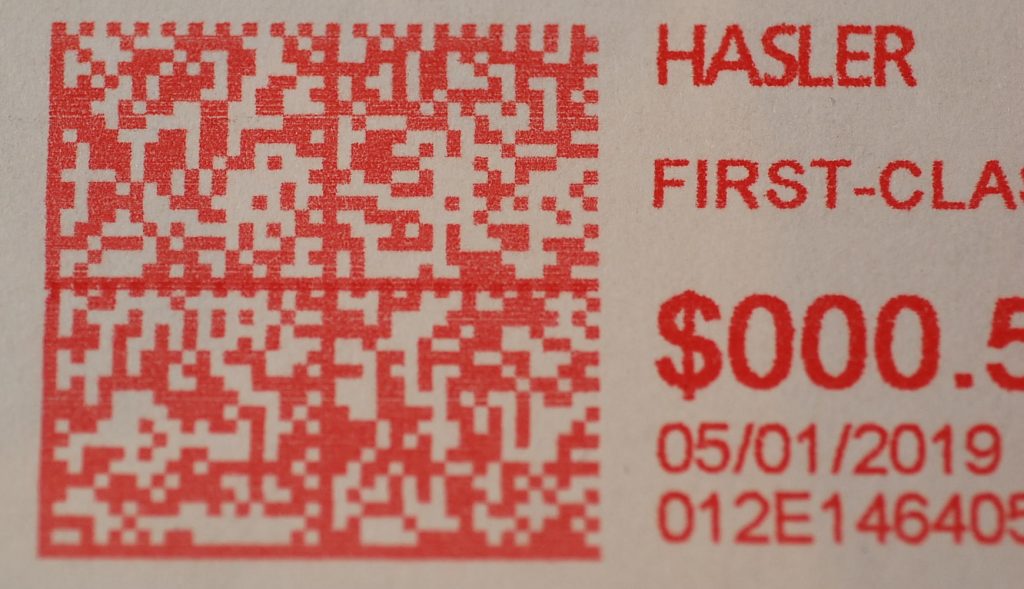
Barcodes fail due to two main reasons:

  1. Poor Image Quality: Scanners decode images. Inaccurate printing, lamination, shrink wrap and substrate characteristics can impact scanning
    Lamination
  2. Incorrect Data Structure: Barcode data must be prefixed and parsed in compliance with the applicable standard.
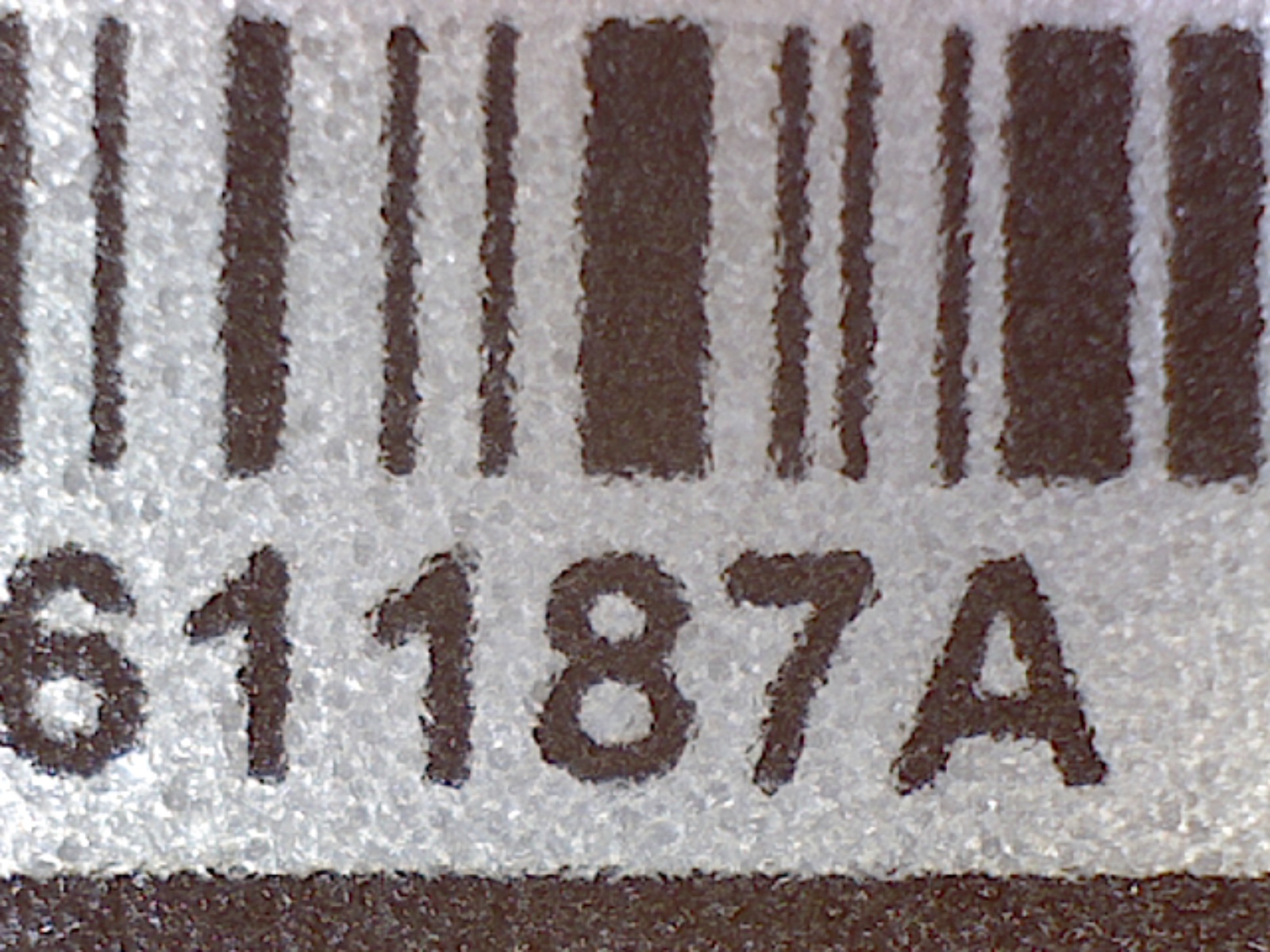
ISO standards grade various print quality parameters:

  • Contrast: Reflectance difference of bars (or squares) and spaces.
  • Modulation: Uniformity of light and dark reflective values.
  • Defects: Voids in bars, spots in spaces.
  • Decodability: Accuracy of bar (or dot) and space width and location.
  • Grid and axial accuracy of dot placement in 2D symbols.

Other factors that degrade barcode performance:

  • Gain: Pigment spread causing reflectance variation. The ISO standard will soon include gain as a parameter.
  • X Dimension: All barcodes have a minimum size. Smaller barcodes may be difficult or impossible to scan.
  • Design Errors: Quiet zones encroached by graphics or text, or inaccurate barcode placement in a white zone.
  • Data Entry Errors: Human-readable features like parentheses should not be encoded in the barcode.
  • Abrasion and Wear: Storage and handling can degrade barcode images.
    Quiet Zone Violation
  • Temperature Extremes: High heat can fade or obliterate images on heat-sensitive labels.
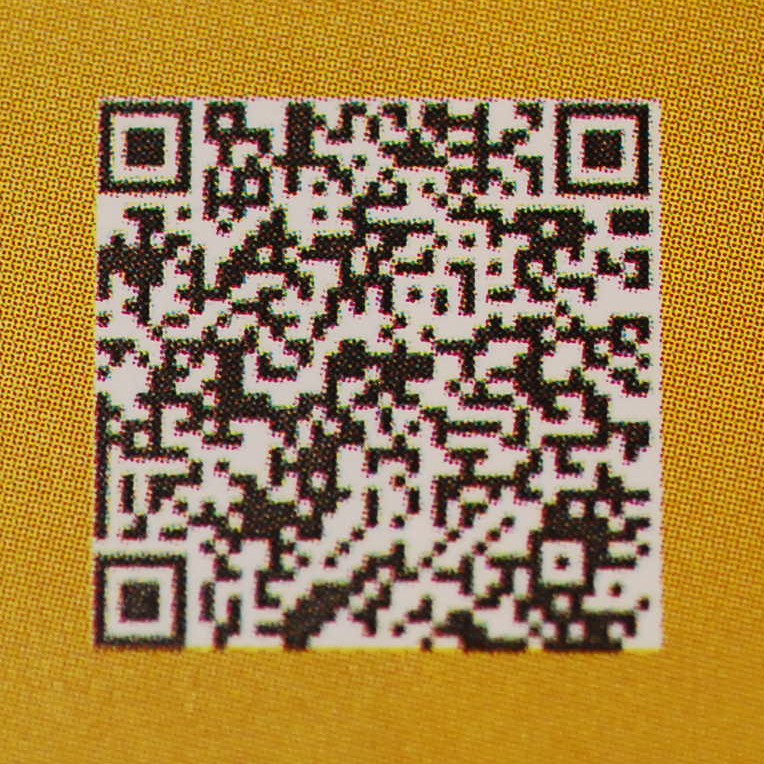
  • Color: Scanning is defeated with certain colors.
  • Non-flat Surfaces: Scanners must capture a full image of the barcode.
  • Metal Substrates: Silvered, glossy, or brushed-metal substrates can cause scanning difficulties.
Key Takeaways:

  • Track gain visually to identify potential issues.
  • Test barcodes in their final form (e.g., after lamination or application on a cylinder).
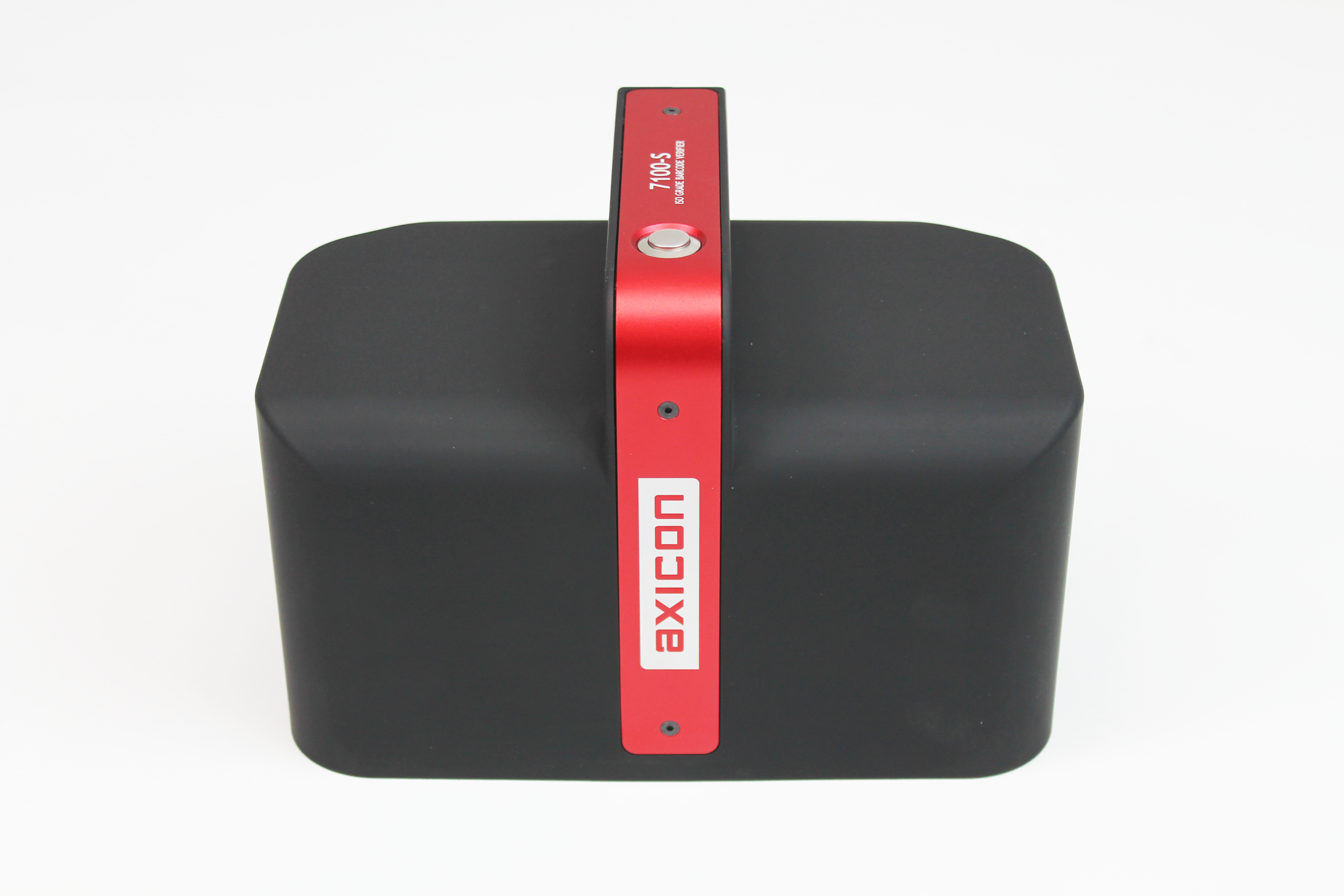
  • Use an ISO-compliant verifier for testing, not just a smartphone scanner.

Testing is faster and cheaper than recovering from a barcode disaster.

Comments or questions are welcome. Contact us here
3db Barcode Testimonial

Our company (an advanced software company) recently worked with Barcode Test to source a barcode verifier.  Not long ago, we were awarded a contract requiring products to be marked with IUIDs in accordance with MIL-STD-130.  For that standard, marking labels must pass a verification test that evaluates many variables (contrast, size, clarity, syntax, modularity, and more).  After a thorough search, we reduced our options to a select few.

In our search for a verifier, the Axicon line caught our attention.  Barcode Test is our regional reseller for this product.   From the beginning, they were very prompt with their responses.  We ended up having a quick call with John Nachtrieb to go over our needs.  John was extremely easy to work with and provided a lot of great information.  He was very knowledgeable on the matter and was quick to offer up a demo unit (free of charge).

Upon receiving the demo verifier and testing it, a few questions arose.  John joined a call with us and answered all our questions.  Ultimately, the Axicon verifier wasn’t the best fit for us, so we shipped the demo back.  John was completely understanding.  A few weeks later, Barcode Test reached back out with another possible verifier for us to try.  While they didn’t sell that brand, they just wanted to help us find the best option that met our needs. They even offered to send us the unit that they have in-house to see if it worked to our liking. 

Barcode Test is truly a great company to work with.  Their service and willingness to help the customer are far beyond what you typically get from other companies.  They are experts in barcode quality assurance and seem willing to help in any way they can (even if that means not getting a sale and recommending another option that better fits the customer’s needs).  If anyone is in the market for barcode verification/scanning services or products, I would highly recommend giving Barcode Test a call.

Regards,

Production Manager