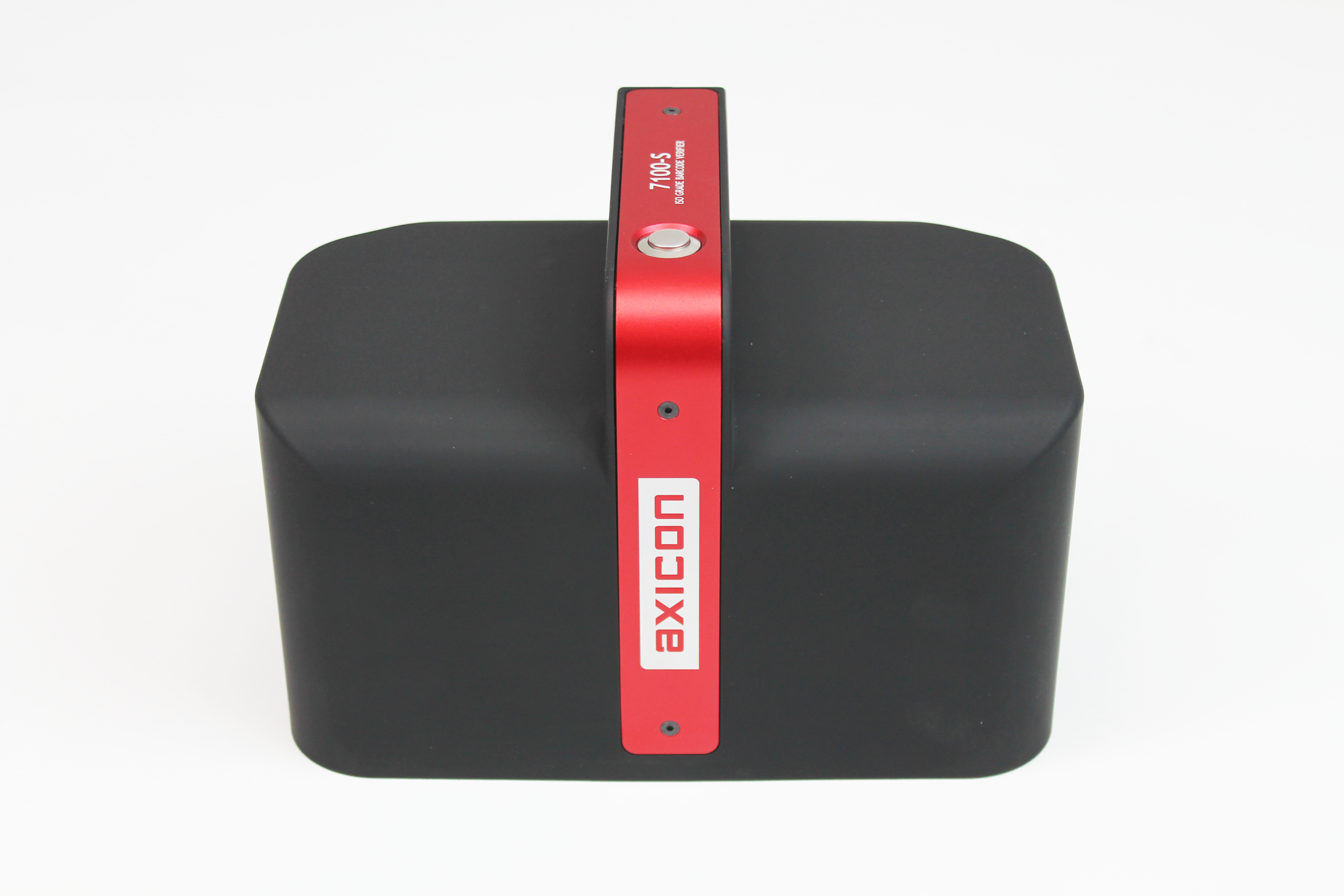
 Several years ago I was approached by a gift and loyalty card company to help them improve their barcode quality—or that is what they said they wanted. On my first site visit, I was introduced to Igor, a man who sat at a desk surrounded by card printing machines. His sole job was to scan the validation barcodes printed on cards, and get a passing grade. Literally—to get a passing grade. He would scan and rescan a barcode dozens of times, change the verifier settings, adjust the angle of the handheld verifier, hold it an a distance—anything to get a passing grade. It quickly became apparent that my job was to help him figure out new, creative ways to achieve his objective: get better grades, make his boss happy.
I tried to change the mindset. Recalibrate the verifier, slow the print speeds, reorient the barcodes to picket fence, use a larger bar width to increase tolerance. It was futile. Every suggestion fell on deaf ears. Igor was undistracted —his goal was clear. Push out product as fast as possible, get acceptable grades, invoice and repeat. It was a high volume, low budget operation.
Week after week, they called me back, pressuring me to find creative solutions. Improve the grades but don’t mess with the balance sheet. Suddenly the calls stopped. The plant went out of business. Igor and dozens of others working three shifts seven days a week lost their jobs.

While this was the most egregious example of misplaced goal-setting I have ever encountered, over the ensuing years there have been variations on this theme. An oft- repeating variation is this: equate the problem with the symptom.
The card company defined the problem as the barcode verification grade, so they focused on changing the grade by manipulating the test device, the verifier. How short-sighted. Imagine the conversations—or arguments—they must have had with unhappy customers:
- Customer: These barcodes are failing! We cannot use them—you’ll have to remake the whole batch!
- Supplier: The barcodes are fine, we tested them. Your scanners must be defective. Do you like our prices?
Focusing on the visible, the symptoms, is an obvious approach to problem-solving. There is usually an underlying cause. Organizations spend time and resources addressing deviations, complaints, audit findings and performance issues—all of them the visible. Your team can help get to the right problem before jumping into solutions. Maybe you need a meaningful process improvement, not a temporary fix.
Fresh, outside eyes can help you see more clearly. We are those fresh eyes. Contact us here.