Most barcode printing situations are pretty much the same, but printing barcodes on corrugated is highly specialized, and it brings special requirements both to barcode quality and the

equipment required to test and grade it. The corrugated environment is so challenging for barcode printing, a symbology was invented specifically for it: the Interleaved Two of Five or ITF barcode, invented by Dr. David Allais.
Although interleaved two-of-five barcodes can be relatively small, the specialized ITF-14 uses a huge X dimension in order to provide sufficient bar width tolerance to withstand the uneven printed substrate and substantial press gain from the absorbent kraft material. ITF 14 barcodes can be nearly 7 inches wide, which is well beyond the scan width of most barcode verifiers. The Axicon 7015 has been specifically designed to read and grade barcodes up to 7.6” wide (including the quiet zones).
The corrugated substrate is a lot of what is unique—and uniquely challenging about printing barcodes. For the novice, corrugated material is a sandwich 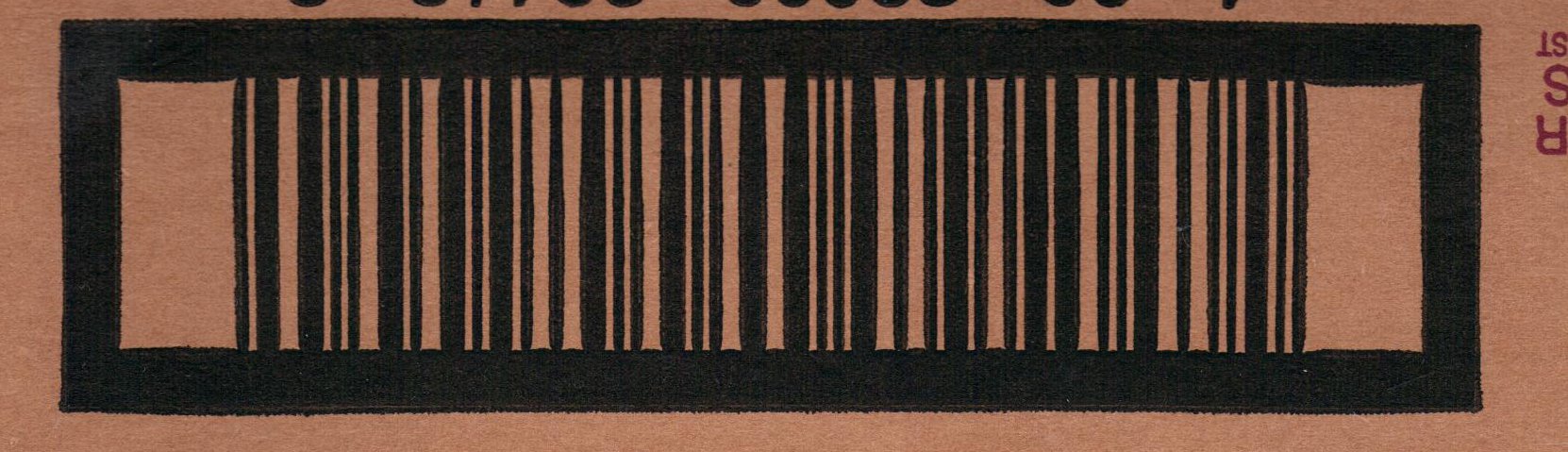 of wave-like undulating kraft, glued between a top and bottom layer of kraft. Kraft is a porous paper pr paperboard made from chemical pulp, much of which is often recycled paper and wood. In its natural state, kraft is a light brown color—think paper bag. Corrugated material is used to manufacture all sorts of boxes because it is relatively light and strong, and protects its contents while in transit.

The way corrugated is made and its color are both a challenge for printing barcodes. The serpentine core causes the flat surfaces to be not so flat, making it difficult to apply even pressure to the Cyrel® or rubber impression plate. If the impression is not made with the same amount of pressure across the entire plate, the images will vary in width or gain—not a good thing if the impression is a barcode. The brownish color, which forms the light background or maximum reflectance (RMax) value of the barcode is much darker than the preferred white background. This causes Symbol Contrast (SC) to be relatively low, downgrading the barcode and making it more difficult for scanners to distinguish bars from spaces.
The trade association for the corrugated industry, TAPPI (The Technical Association of the Paper and Pulp Industry) recognizes the low reflectivity of the kraft substrate and recommends to its members that they should accept barcode verification grades of D due to low Symbol Contrast.