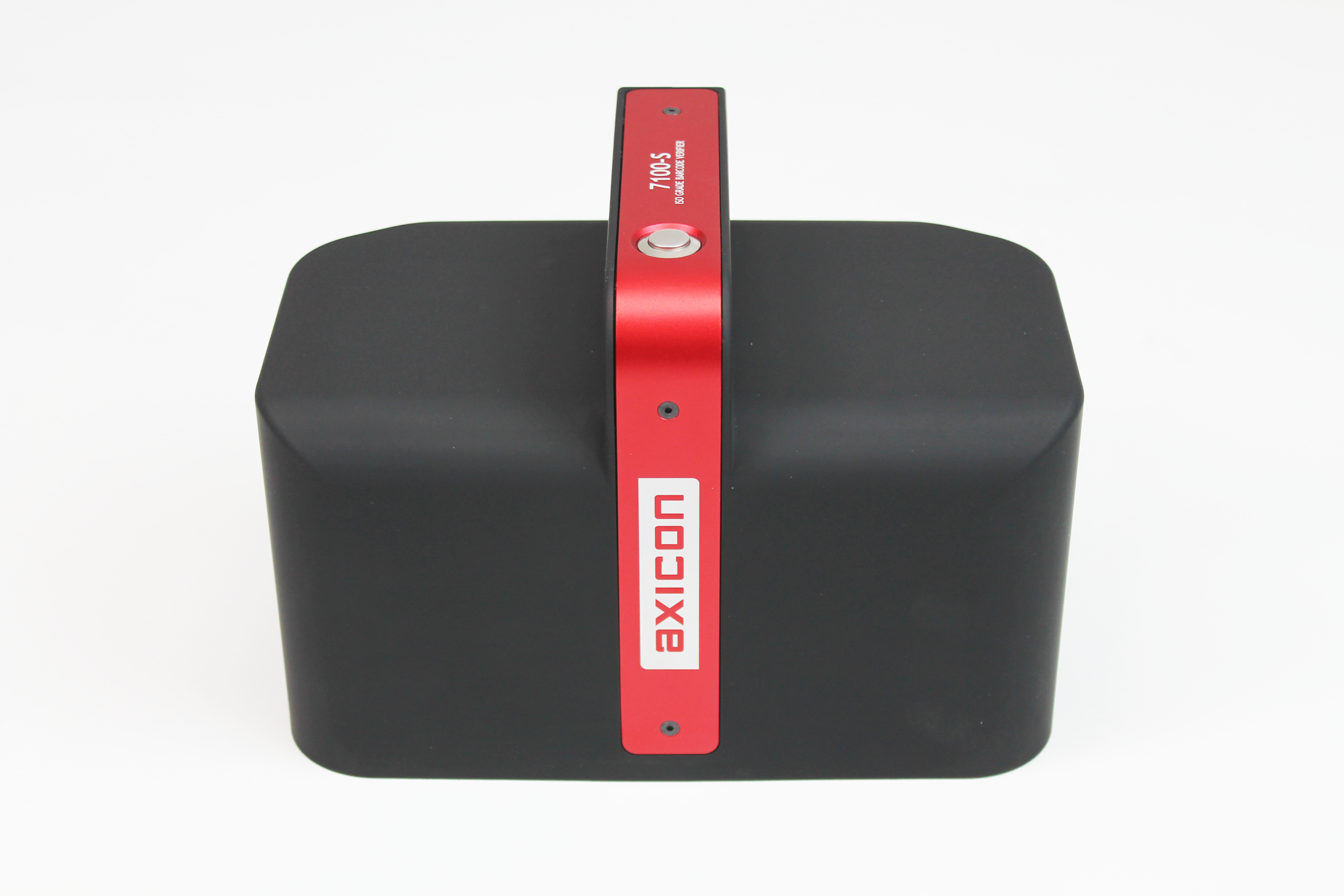
Everyone knows about end-use barcodes, when the finished product is scanned at point-of-sale: the visible, public, most familiar and most-talked-about use of barcode technology. One level upstream is the supply chain. Somewhat less visible, most people can extrapolate the importance of barcodes in tracking product movement from source to distribution center and on to the retail establishment.
Further upstream of logistics, barcodes are virtually invisible to most people, but no less important. Barcodes are an essential and basic tool in manufacturing. A mention of barcodes in manufacturing might conjure a heavy industrial application: automotive or truck assembly with barcodes on subassemblies.
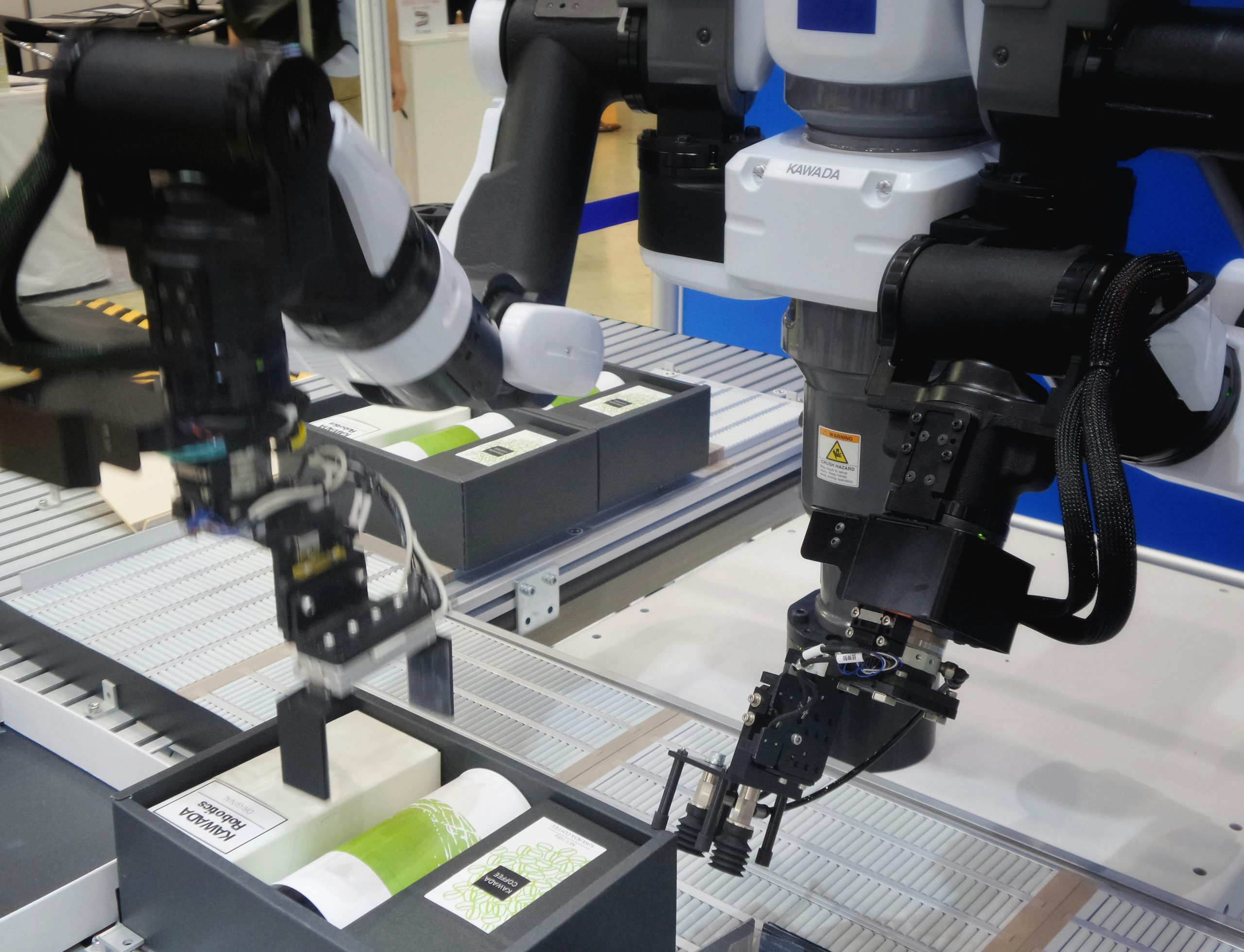
Upstream Barcodes assist Robots
Barcodes confirm that the right parts are picked. Robotics have not obsoleted barcodes—quite the opposite. Scanners mounted on the robot perform the same, critical confirmation; making sure a Honda Pilot rear window is picked for installation into a Honda Pilot and not a CR-V.
Barcodes continue to make inroads into less obvious, equally important processes. Pharmaceutical formularies use barcodes to confirm that only the right ingredients are selected. Similar applications include manufacture of flavorings, and agricultural chemicals (fertilizers and herbicides). Barcodes provide quality control in formulation of baking mixes, bagged pre-mixed concrete, raw materials for manufacturing glass and even the marbles used in child play. Barcodes are used to ensure that seasonal multi-packs of candies are correct and, where necessary, peanut-free.

Assembly and formulation accuracy are not the only uses of barcodes beyond the supply chain. Barcodes are imaged directly onto surgical implants such as hips, knees and rods, as well as the screws that fasten them to bone. The purpose: identification of source, date of manufacture and installation (when and where). This is the most reliable way of tracking how these parts perform over time, and how to locate them via medical records in case of a recall.
Barcodes will Continue to be Useful for the Foreseeable Future
Barcodes continue to find new ways to be useful. At 45+ years old, when will barcodes finally be replaced by something better-faster-cheaper? No time soon, and for good reason:
- If you are printing a tag or package, adding a barcode is free. There is a cost to acquiring a GS1 company prefix but putting the barcode on your product does not add cost to a label or package.
- Barcodes are secure—they cannot be reprogrammed or modified without destroying them. RFID tags can be reprogrammed or destroyed by high RF energy.
- Barcodes are line-of-sight: it is easy to avoid scanning the wrong one. RFID data capture is difficult to control.
- A QR Code which encodes a url will always point to that exact address, but the content posted at that addressed can be changed often, quickly and cheaply. For example, a real estate listing for a developing property, a restaurant’s daily specials or a church’s Sunday sermon.
- Barcodes can identify classes of products such as “apples”, sub-categories such as “Gala apples” or even individuals. RFID can do that at significant cost. Vision systems can distinguish classes only, with significant limitations.
Some of these advantages can be disadvantages. An RFID tag remains legible even when covered in dirt, even paint. In the right circumstances, barcodes are hard to beat.