The FDA Final Rule is enacted. UDI implementation will:
- Standardize the identification of medical devices in a globally harmonized way
- Improve public health initiatives to optimize automated systems
- Reduce medical device-related injuries and deaths via improved device recalls
- Eliminate (or at least reduce) inaccurate or incomplete reporting of medical device problems
- By improved tracking of devices implanted in patients, identify usage problems and make recalls quicker and more accurate
Barcode Symbology Designation
The UDI rule specifies that barcodes are the primary tool to be used to mark medical devices. Several barcode types are designated.
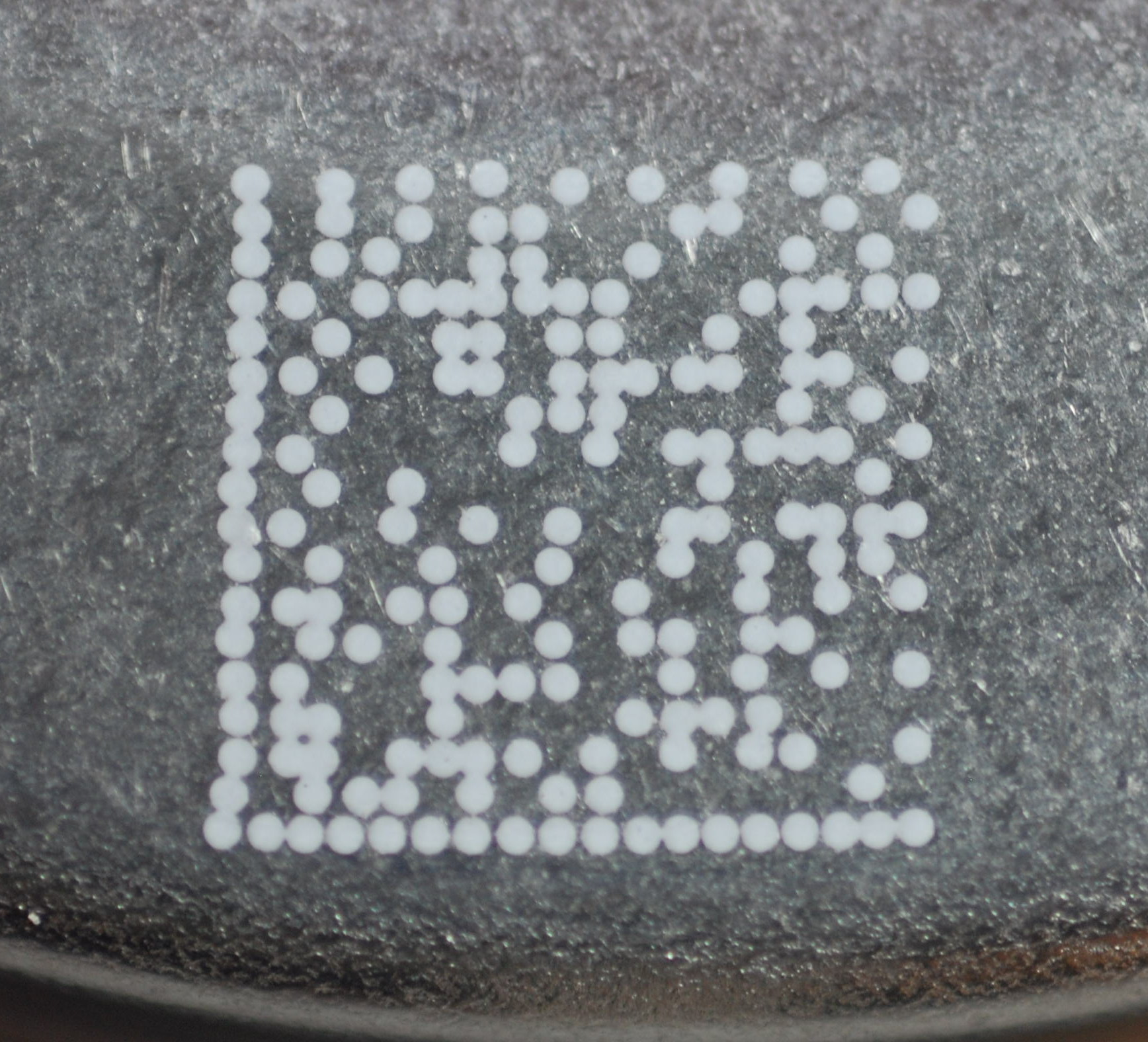
During the comment period AIM advocated for adoption of Data Matrix code. All three FDA-approved issuing agencies (GS1, HIBC and ICCBBA) standards also support the use of Data Matrix code. UDI barcodes created under any of these three standards are differentiated and self-identifying under ISO rules.

Standardized formatting of the UDI mark (barcode) is an important factor in making these improvements real and substantial. The FDA specified the key data elements that must be included in each UDI. And of course the barcode must be readable over the life of the device.
It is concerning to some of us in the barcode industry that although barcode quality is mentioned in the UDI rule, it is not stressed in a way which is commensurate with its importance. Following good barcode practice, barcode verification is assumed as part of the implementation of UDI. Here is what the UDI rule says about barcode quality:
- All firms subject to the UDI rule are required to establish a standards-based barcode quality verification program
- All firms subject to the UDI rule are required to record the outcome of verification tests
This is really an extension of FDA Good Manufacturing Practices (GMP). But the UDI rule does not specifically invoke ISO standards as the basis of barcode verification testing, nor the performance standard for the verification device. This is because the FDA did not specify the standards for barcode verification to be used in the implementation of the rule.
No Barcode Verification Standards Designated

Furthermore, after the public comments period prior to the enactment of the rule, the requirement to mark implantable devices was removed from the rule. This is because all surgically implantable devices should already be tracked through the patient’s Electronic Health Record. Post-implantation scanning, if it proves necessary, could be accomplished through use of RFID technology.
Also, the final rule does not require the use of UDI for chain of custody inventory tracking and distribution throughout the supply chain, although many companies will do it to prevent device counterfeiting. As with any major new barcode implementation, glitches and oversights will reveal themselves and fixes will need to be put into place. We also hope that subsequent revisions will include standardizing on a single symbology: we join with AIM and others in the AIDC community and advocate for adoption of Data Matrix code.
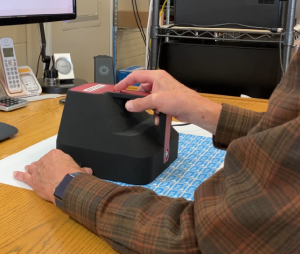
What will verification of UDI barcodes involve? As in other non-medical applications, quality measurement of the UDI barcode will depend on how it is created. Direct Part Mark (DPM) technology will be widely used for Class II and III devices. Here again, Data Matrix is the right symbology: 1D barcodes are not designed for DPM applications. There are ISO standards for the quality of direct marked as well as 1-D and 2-D printed symbols. Verifiers that are not certified ISO compliant devices do not meet the symbol quality verification requirement.
Your comments, experiences and questions are always welcome.