Skip to content
- The barcode on your product must be the right kind of barcode for your supply chain. The wrong type of barcode containing the right data is not acceptable in most supply chains. Check with your trading partners.
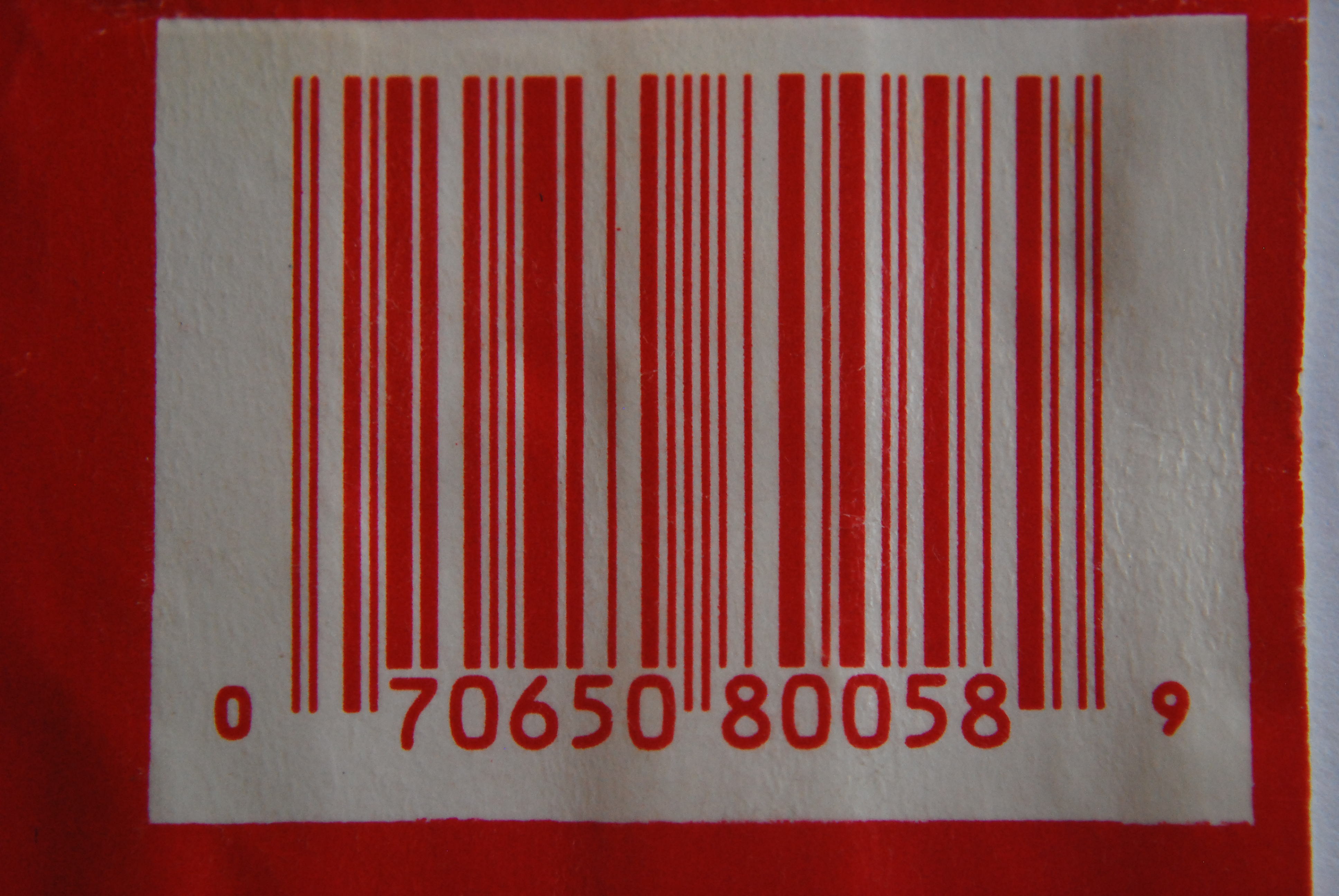
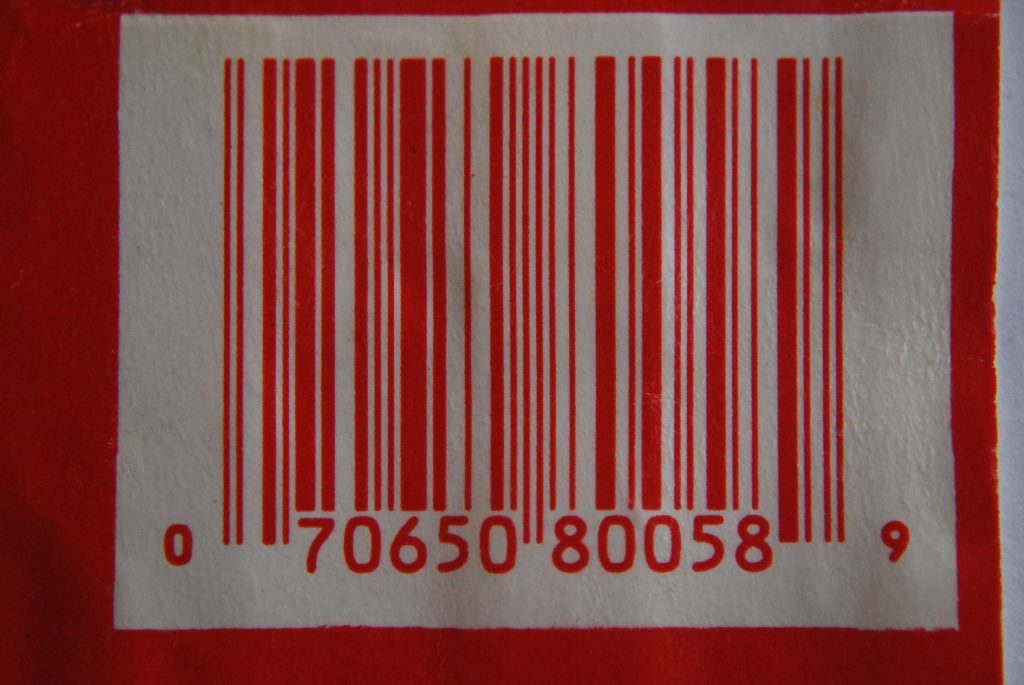
- Red is an unacceptable color for a barcode, or a color containing a lot of red, including some oranges and purples. A black barcode on a red background is fine.
- Green, and some shades of green, are an unacceptable background color for a barcode. Printing the barcode in a dark green is fine.
- To avoid chargebacks, your barcode must pass ISO standards for print quality with at least a C grade. Some industries require a higher grade. Some will accept a D grade. F grades are always unacceptable.
- The data in your barcode must comply with the formatting specifications for your industry. For example, a medical device must be marked with a barcode formatted to the UDI standards. If you are not sure, check with your trading partners.
- The human readable information is not necessarily an exact duplicate of the data encoded into a barcode. Also a scanner will not always tell you everything that is encoded–but a verifier will.
- Testing a barcode for legibility with a scanner or smartphone does not establish legibility on other devices or scanners. Only an ISO compliant verifier can predict whether a barcode will be legible on any type of scanner.
- Just because a device can produce a grade, or produces a report in the ISO format does not mean it is an ISO compliant verifier. Only a device with a dated Certificate of Conformance is an ISO compliant verifier.
- Technology does not guarantee that a barcode will work. Barcode creation software and digital printers do not eliminate the need to test with a compliant verifier.
- Virtually identical products with subtle differences should be marked with different barcodes, if you need to track them separately—and you probably do.
- The barcode on your product should be located in accordance with industry standards. See the GS1 General Specification (Release 19, Ratified, Jan 2019), Section 6, page 363.
- You can buy cheap barcodes from an aggregator or reseller but it is not a good idea. An aggregator buys a block of numbers from GS1. Those numbers are unalterably registered to the aggregator and cannot be re-registered to you. You are not notified of changes in the General Specification but the aggregator is. Get your number assignment directly from GS1. It is worth the extra cost.
- If you do not want to acquire a verifier, use a barcode test lab. Periodic tests establish a benchmark, and repeatability is established over time.

- It is almost never necessary to test 100% of your barcodes. If you are advised to, ask why and insist on an answer that makes sense to you, in your industry. Confirm it with your trading partners. Do not be oversold.
- If someone else prints your barcodes, you are still liable if they do not work right. Tell your vendor that you require verified barcodes, and prove that they do by including verification reports with your labels or printed packages.
- Contrary to popular opinion, the new 2D barcodes are not immune to quality problems, and they do require a full surround quiet zone.
- Some 1D barcodes have optional check digits. If you are using this type of barcode, check with your trading partners to determine whether a check digit is required. Make sure the verifier is properly configured.
- As of January 2019, a GTIN 12 assigned to a product that has been discontinued cannot, with very limited exceptions, be reassigned to a different product.
- Barcodes have a range of acceptable sizes and dimensions. Just because you are capable of printing small barcodes with very fine bars and spaces doesn’t mean a scanner can read it.
- Rules and standards are impermanent. Barcode standards are constantly evolving. Check with a barcode expert to make sure you are doing things right.