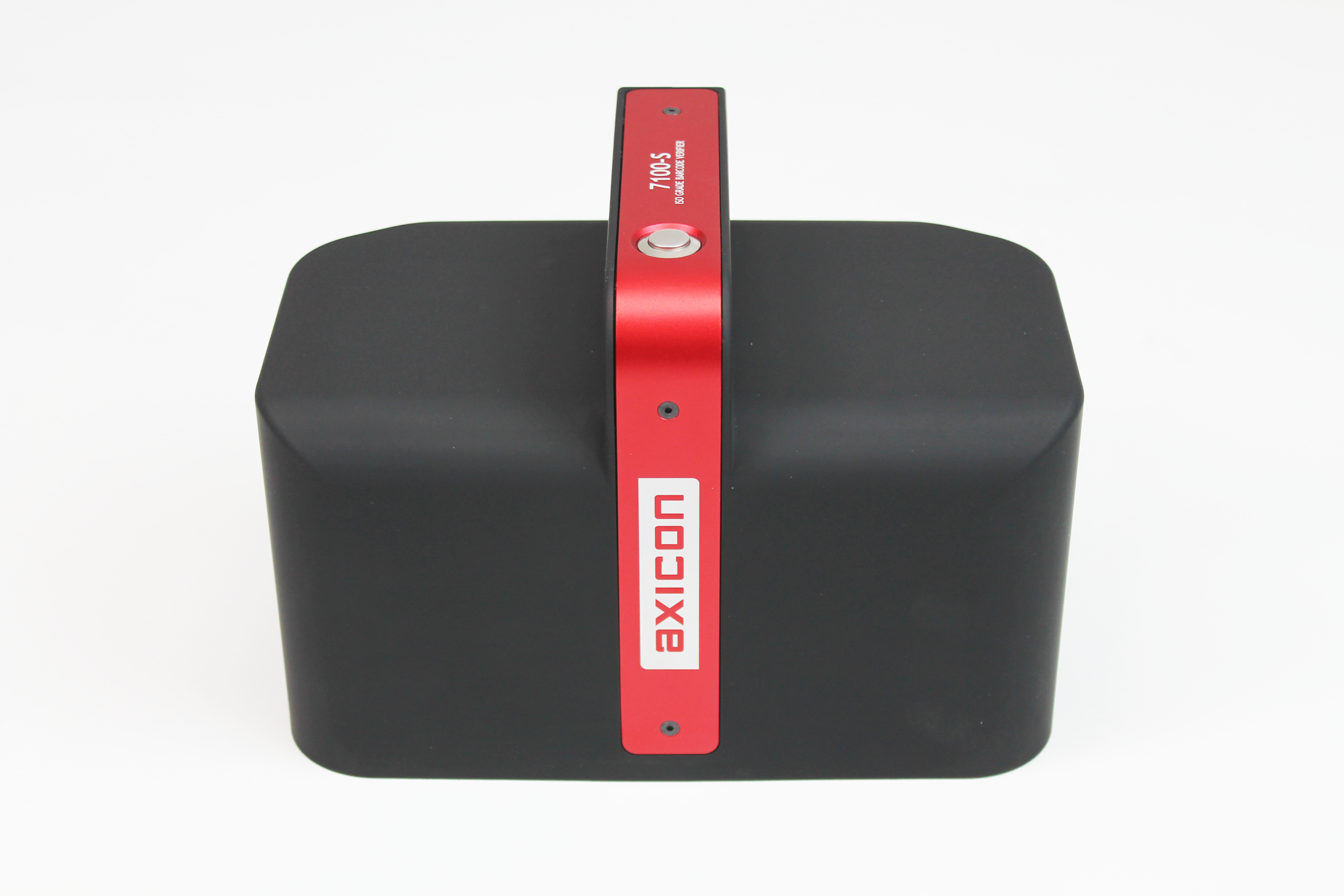
Most people understand why a smart phone or a scanner is not the same thing as a verifier for testing a 2D symbol. Smart phones and scanners can only decode a Data Matrix or QR Code. A verifier tests and grades the symbol against international specifications and thus provides a way of predicting whether or not a 2D symbol will successfully decode on any brand or model of 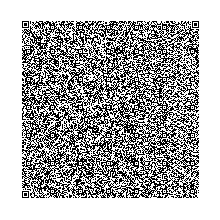 scanner.
Selecting the right verifier is also very important—they are not all the same. That is because not all 2D symbols are postage stamp size like the QR Codes in the Sunday newspaper or magazine ads. The QR Codes on retail store front window posters and real estate signs are much larger. Consequently the field of view (FOV) of the 2D verifier is an important factor. You need to make sure the 2D verifier can see the entire symbol and its quiet zones.
The next important question is minimum element size. This is the 2D symbol equivalent to the X dimension in a 1D barcode—the width of the narrow bar. What is the smallest element that will be used in the 2D symbols you need to verify? Elements are those light and dark blocks that comprise the symbol itself. They are made up of multiple pixels and therefore the element size can vary, depending on how large or small the final symbol will be and how much information the symbol will contain.

Remember barcode verifiers from the 80’s and 90’s that used a wand? You had to use a large aperture for a big ITF14 shipping container symbol, a smaller aperture for a mid-size Code 128 or UPC, and an even smaller aperture for a high density barcode such as a cell phone serial number label. Apertures could range from 3 mil all the way up to 20 mil. This remains true for 2D verifiers which use a digital camera to capture the symbol image. We all know that consumer-grade digital cameras are available in a wide range of resolutions, called “mega-pixels”. This describes the  ability of the camera to resolve small details—and this is exactly what the digital camera in a 2D verifier also needs to do. Users of 2D verifiers must be the device can resolve the smallest element they are likely to use. It is important to note that field of view and resolution are not linked. In other words, 2D verifiers with the largest field of view do not necessarily have the lowest resolution (or expect the largest X dimensions).
Finally, there is the issue of lighting. We never had to think about this with 1D barcodes. Of course we needed to be aware of the influence of ambient lighting in the verification environment—but what I am referring to is the light source in the verifier scanner itself. This is not a factor when verifying QR Codes, but Data Matrix symbols can be used in very specialized, low contrast applications where special lighting is needed for the verifier to acquire the image for evaluation and grading. Direct Part Mark or DPM is where a Data Matrix symbol is imaged directly onto an assembly such as an engine block, circuit board or other material and not onto a label. Except for its low contrast, the symbol is otherwise a typical Data Matrix code—but unless the verifier has special DPM lighting capabilities, the symbol is virtually invisible to a non-DPM equipped verifier.
Not sure what you need? The technicians at Barcode-Test can help you figure it out.