Back in the 1970’s when the UPC symbol was just gaining acceptance nobody could have fully appreciated how this technology would expand into the broad range of applications in use today. Barcodes are integral to supply chains, asset tracking systems, automated manufacturing lines, matching patients with medications, marketing aimed at the mobile user and a host of other uses.
Unlike QR, Low capacity codes like UPC made quality relatively simple
Several technologies have contributed to these developments, but at the root of it all are the advancements in data capacity. Early barcodes very limited in how much information they could store.
To be clear, I will interchangeably refer to linear symbols such as UPC, Code 39 and Code 128, stacked linear symbols such as PDF417, and matrix codes such as Datamatrix, QR and Aztec Code as “barcodes” even though technically a 2D code is not a “barcode”.
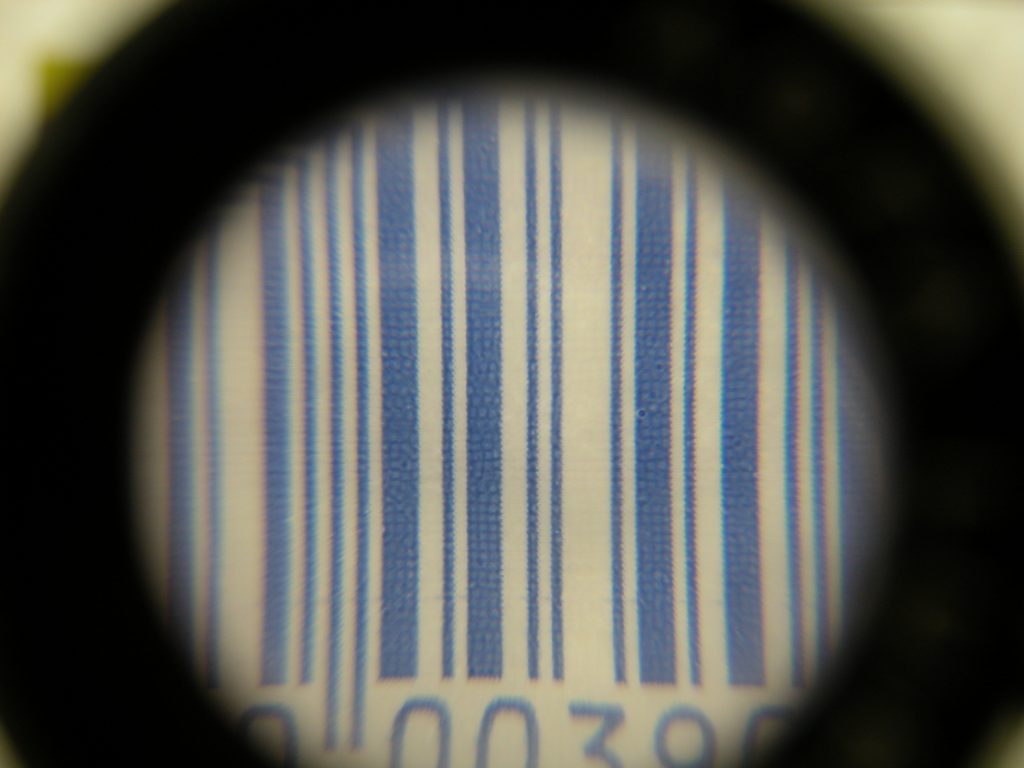
The venerable UPC stores 12 numeric-only digits with an implied 13th digit.
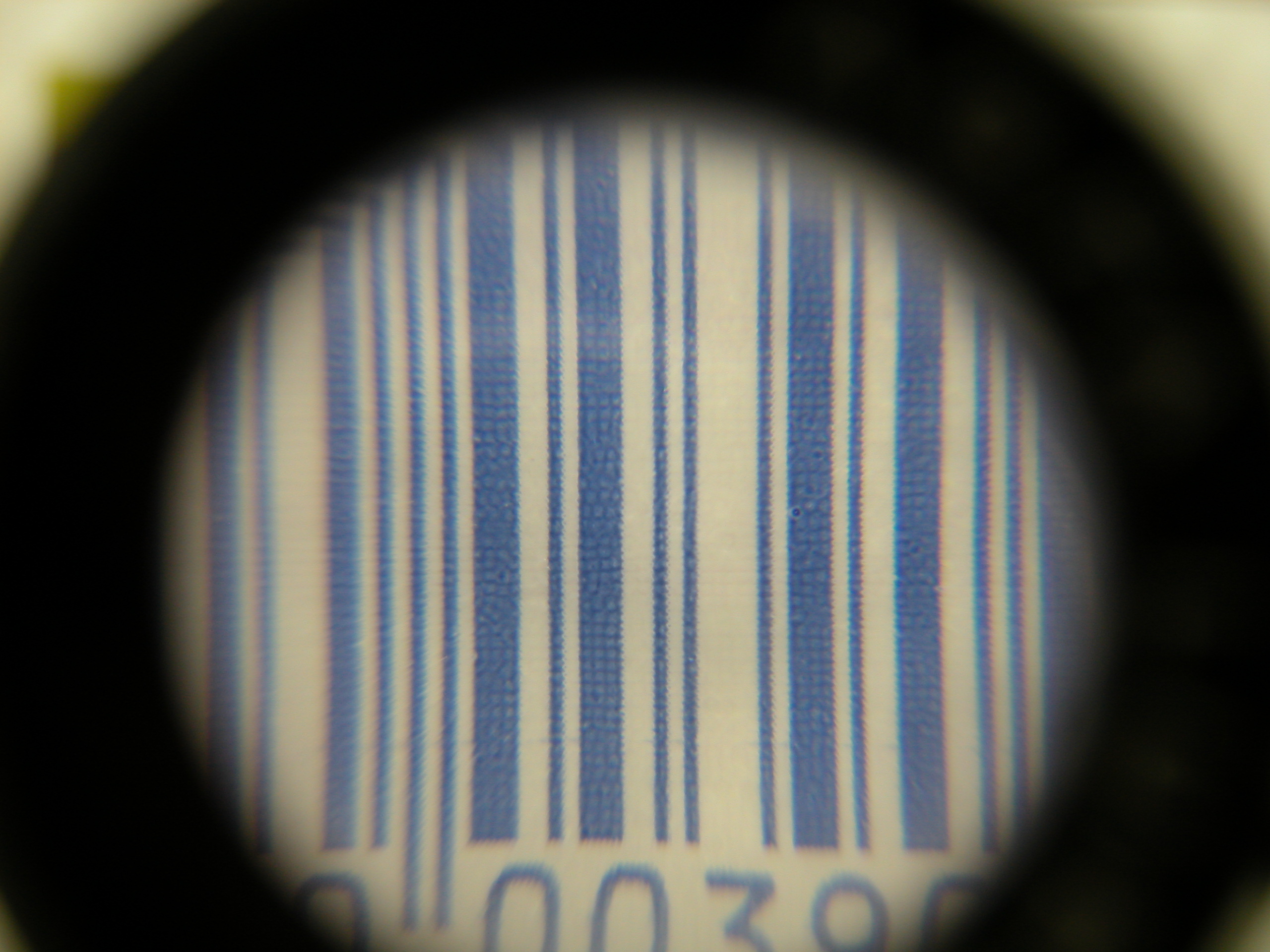
By contrast, matrix symbologies such as QR and Datamatrix can encode thousands of full alpha-numeric characters and even more numeric-only characters.

Increased Data Capacity of QR and Datamatrix changes the quality paradigm
While it isn’t talked about very much, this has important implications for symbol quality: apologies to all of you for whom this is already obvious.
Increased data capacity changes the quality paradigm from simple legibility to content structure and formatting.
I suspect this is not all that obvious to many people.
This is not an altogether new idea: it has been known for years that a legible barcode with an ISO 4.0 verification grade could fail if it didn’t represent the correct product (or any product at all). Because limited-capacity barcodes initiate a look-up function is a hosted database, the database itself could be a problem: missing look-up data, incorrect collateral information such as price or product information, etc.
Increased data capacity may obviate the look-up function: all necessary information may be fully present in the barcode. A QR Code, for example, could contain an entire Uniform Resource Locator (url)—even a very long one. One could make the case that this is, after all, still a data look-up function.
But matrix codes have the capacity to encode pages of text; for example, a person’s medical history: the quality of the barcode means much more than its legibility if the successfully-decoded data has errors.
QR and Datamatrix quality means more than just legibility
Some 2D verifiers have the ability to test for industry applications such as data formatting, but some do not and it is not a part of the ISO specification for symbol quality. That only addresses issues of print quality.
Welcome to the Wild West of automatic identification technology. These are indeed exciting times in which we are discovering new things and exploring new ways of doing things. But along with the exciting new rewards are strange new risks which the aware can for the most part avoid.