We received an urgent call from a company who found us online—they are printing a Code 128 symbol in black ink on a metal tag and it is not scanning consistently. Their verifier was failing to decode it so they tried several different scanners—a laser, a CCD and an area imager; only the imager was able to read the symbol. Why should printing barcodes on a metal surface be any different than printing them on paper or plastic? The symbol appears to have plenty of reflectance difference between the black image and the bright metal background, there isn’t excessive bar gain and the quiet zones are not encroached upon—all classic causes for decode failure.
This situation is not unfamiliar to many of us who are familiar with UPC barcodes on aluminum beverage cans—although we have received inquiries about the symbols that are printed in white on the bare aluminum substrate where the reflectance difference appears to be very minimal. We’ve made the case numerous times in previous articles that one should never neglect to closely inspect a barcode visually, but barcodes printed on metal are a good example of a circumstance in which the human eye is a poor verifier.
Metal and metalized substrates such as chrome coated paper and plastic have very unique reflective properties—unique in that the reflective behavior is not always what you would expect, and unique in that the reflective behavior of the substrate is often non-uniform. Overall, however, metal or metalized surfaces will scatter reflected light rather than return it in a predictable linear direction.

Consider this comparison: your reflected image from a mirror is relatively undistorted, coherent and recognizable; your reflected image from a piece of aluminum foil—even one that has not been crumpled and then flattened, is anything but undistorted and coherent. Perhaps you can detect small recognizable portions of your face, and there may be random areas that return a lot of reflected light, but generally the image is destroyed. That is what is happening with the metal substrate behind a printed barcode on a metal tag or aluminum beverage can.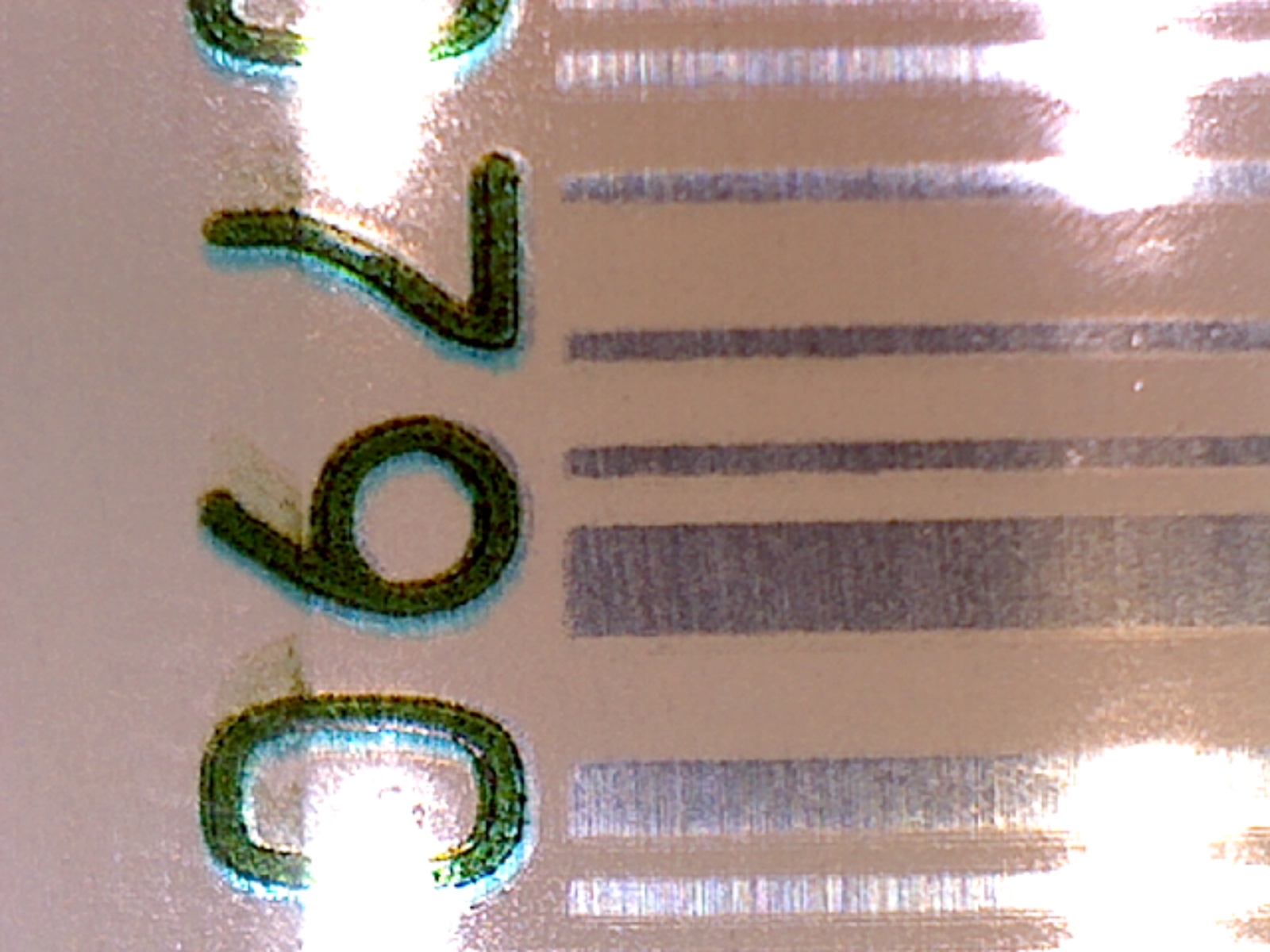
In the case of the beverage cans, the printer, knowing this, uses the substrate as the low reflectance value for the barcode and reverse-prints the spaces (not the bars) in a high reflectance color such as white or red. To the human eye this looks odd, but it works perfectly.
Our urgent inquiry was printing a barcode in black on a bare metal substrate. In terms of reflectivity, these are both low reflectance surfaces, so the barcode was virtually invisible to everything except the imager scanner. What does than say about the possible performance of this barcode out in the world? If the verifier that is failing these symbols is ANSI/ISO compliant, believe what it is telling you. Even if it decodes the symbol and fails it, put your trust and confidence in the ten-scan-average grade.
For more information about printing barcodes on metal, or for help with an existing project, contact the BCT Test Lab at lab@barcodetesting.com