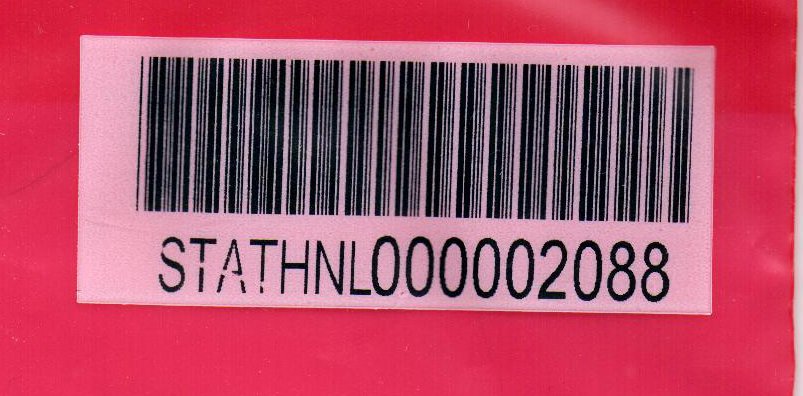
 Your barcode does not scan. Whomever it was that notified you, however and whenever the bad news arrived, it is a stressful surprise. What happened? What do I do next?
Scanners—especially imager scanners, are very aggressive and tolerant of bad barcodes. Older laser scanners are less forgiving. The first thing to do is get live samples of the problem barcodes if possible; alternatively get samples from the same batch or print run. The very next thing to do is locate and calibrate a barcode verifier. It is important to use an ISO compliant verifier—one that tests and graces the full set of ISO parameters.
If a scanner cannot read the barcode, how can a verifier read it?
Some verifiers have the ability to lower the reflectance difference threshold to “force” a decode. No verifier can grade a barcode without first decoding it: this capability makes it possible to test the barcode and identify what attribute is downgrading the barcode—and that is key in identifying the cause of the problem.
If the verifier cannot decode and grade the barcode, visual inspection is the only remaining option. Using a low power (8-12X) magnifier, find the X dimensions (narrow bars) in the symbol. How do they compare to the narrow widths? Are they approximately equal? Are the narrow widths clearly intact or are they barely there? Average bar gain is a common cause of barcode failure. Are the quiet zones intact? Another common reason for decode failure is quiet zone encroachment. These are not just 1D barcode issues: 2D symbols also have X dimensions (modules) and full-surround quiet zones, and are likewise vulnerable to press or dot gain as well as other distortions that can keep them from decoding.

Check the Decode
If the verifier does seem to decode the barcode, make sure the human readables match the encoded data. Also, check to see if the symbology is the correct type. Sometimes verifiers can mis-decode a very bad barcode for reasons discussed above. If the verifier did correctly recognize the barcode, see which ISO parameter is most responsible for downgrading the final grade. More than one parameter might be involved. Also see if there is a structural problem such as an incorrect check digit. There could also be a data formatting error—for example a barcode that is the correct symbology but not compliant to the GS1 data structure. If the scanning environment is GS1 compliant, the scanners may be programmed to accept only GS1 compliant data—and therefore failing to decode these barcodes.
If you get a successful decode and a grade from the verifier, the ISO parameters point you to the cause of the problem and therefore the path to a solution. Halleluiah, a problem with a known cause. If you do not understand what the ISO parameters mean, we have two great little booklets that can help you figure it out—one for 1D, another for 2D. Click the link, sign into the website and download all the copies you want.
Please comment and add your own experiences or ideas to t his conversation.