There are many factors that influence barcode quality and performance. Laminate is one of the most misunderstood and elusive, but with the right tools and a clear understanding of the verification report, it is possible to laminate barcodes on labels and packages successfully.
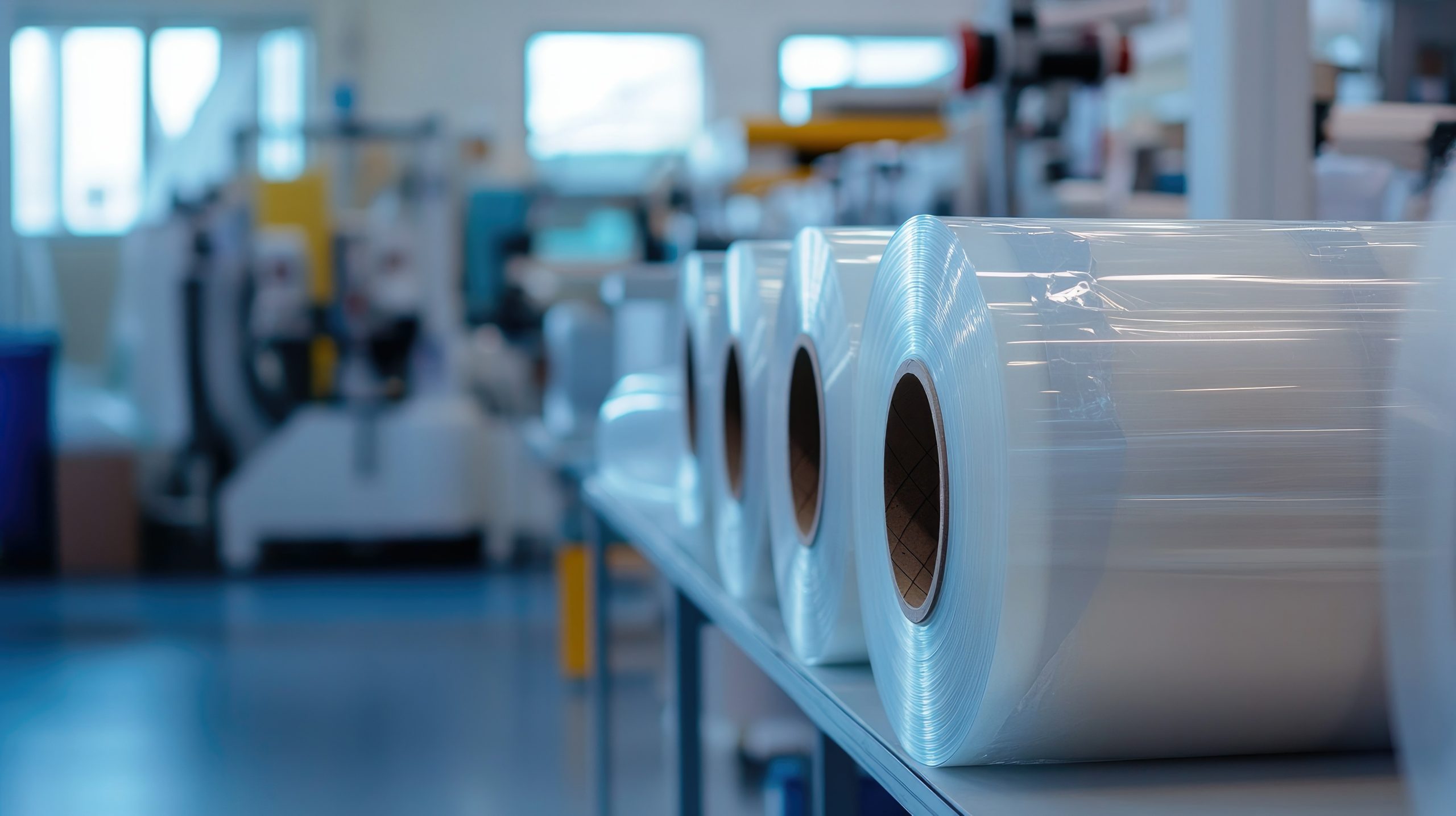
Not all laminates are the same and while the differences are not numerous, they can produce unexpected and confusing results with barcodes. Laminates differ in regards to thickness and surface characteristics. While thickness is not itself a problem, the laminate material itself can cause distortion of the barcode image as seen by the scanner, and the distortion can in some cases be inconsistent across the height and width of the barcode.
Laminate surfaces are of two basic types—glossy or matte. But there are virtually an infinite variation of both basic types, and reflective performance variations between them. Highly glossy laminates can obscure the barcode in environments where the ambient lighting is intense, and of course the outbound light from the scanner itself can create a generalized overall reflectance from the barcode: the essential reflective difference of the bars and spaces is obliterated by an undiscriminating high reflectance returning signal. This effect is worsened when the scanner is presented at 90 degrees to the barcode.
Matte laminate can have these and other affects on the barcode. For one, sometimes “matte” isn’t really matte—it is an array of glossy “nubs” or “bumps” on the top surface. This surface will return a random return reflected signal to the scanner which can be equally confusing and destructive of barcode performance. A truly matte laminate can cause problems of its own, by obscuring the edges between bars and spaces. Scanners decode barcodes by comparing element (bar or space) widths as delineated by the reflective transitions from light to dark. When those transitions are gradient, barcode performance degrades.

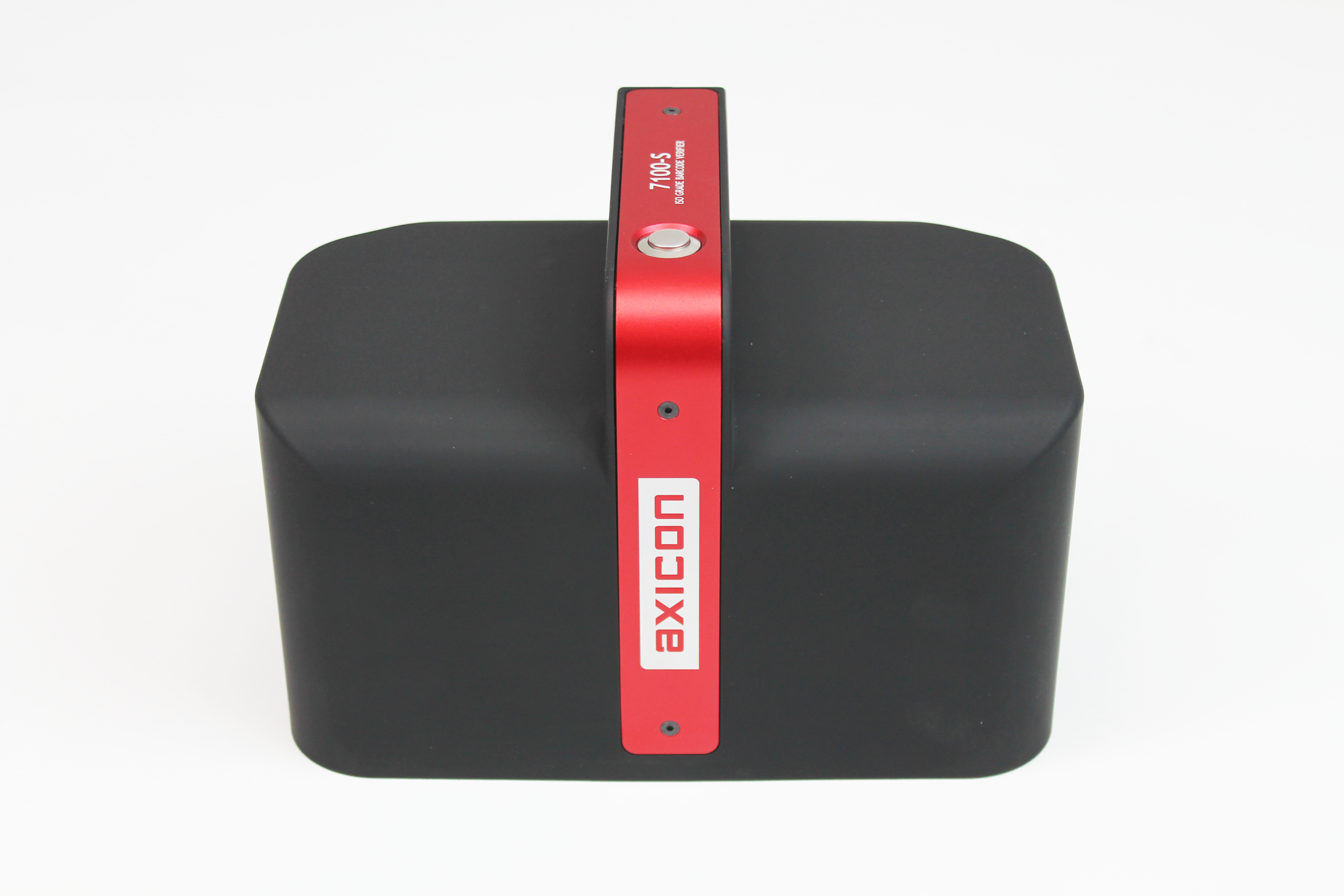
Testing laminate and barcode quality with a verifier can help determine barcode performance, but it can be difficult to interpret the affects of the laminate from the verification report. Of course it is essential to use a verifier which complies with the full ISO spec. Verifiers with gun-type scanners cannot test reflectivity or contrast due to the variable angle and distance from the barcode, and reflectivity is what laminates challenge. PDT-based and other verifiers in fixtures where the angle and distance are non-variable can also produce unreliable results due to the uncontrolled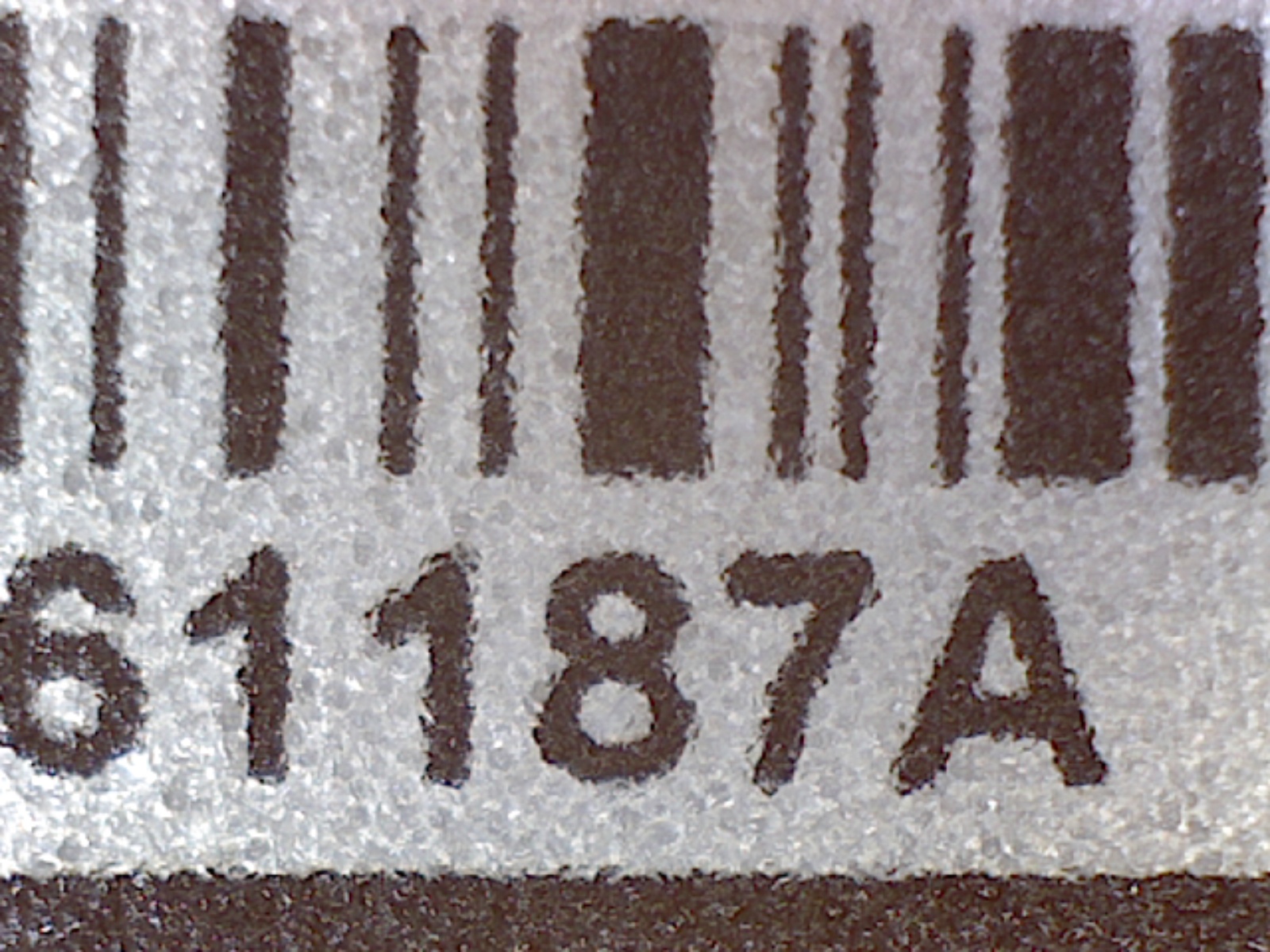 influence of ambient light. Problems caused by laminate can be reported as Modulation, Decodability, Decode or even Defects downgrades in the ISO verification report. Sometimes the verifier will report high Average Bar Gain on laminated barcodes—this is especially true when the barcode has a very small X dimension (10 mil or below).
The best way to test for laminate and barcode quality is to isolate it as a variable: test the laminated barcode and test the exact same barcode before lamination. The solution to a very small, laminated sub 10 mil barcode that passes at pre-lamination could be to increase the X dimension.