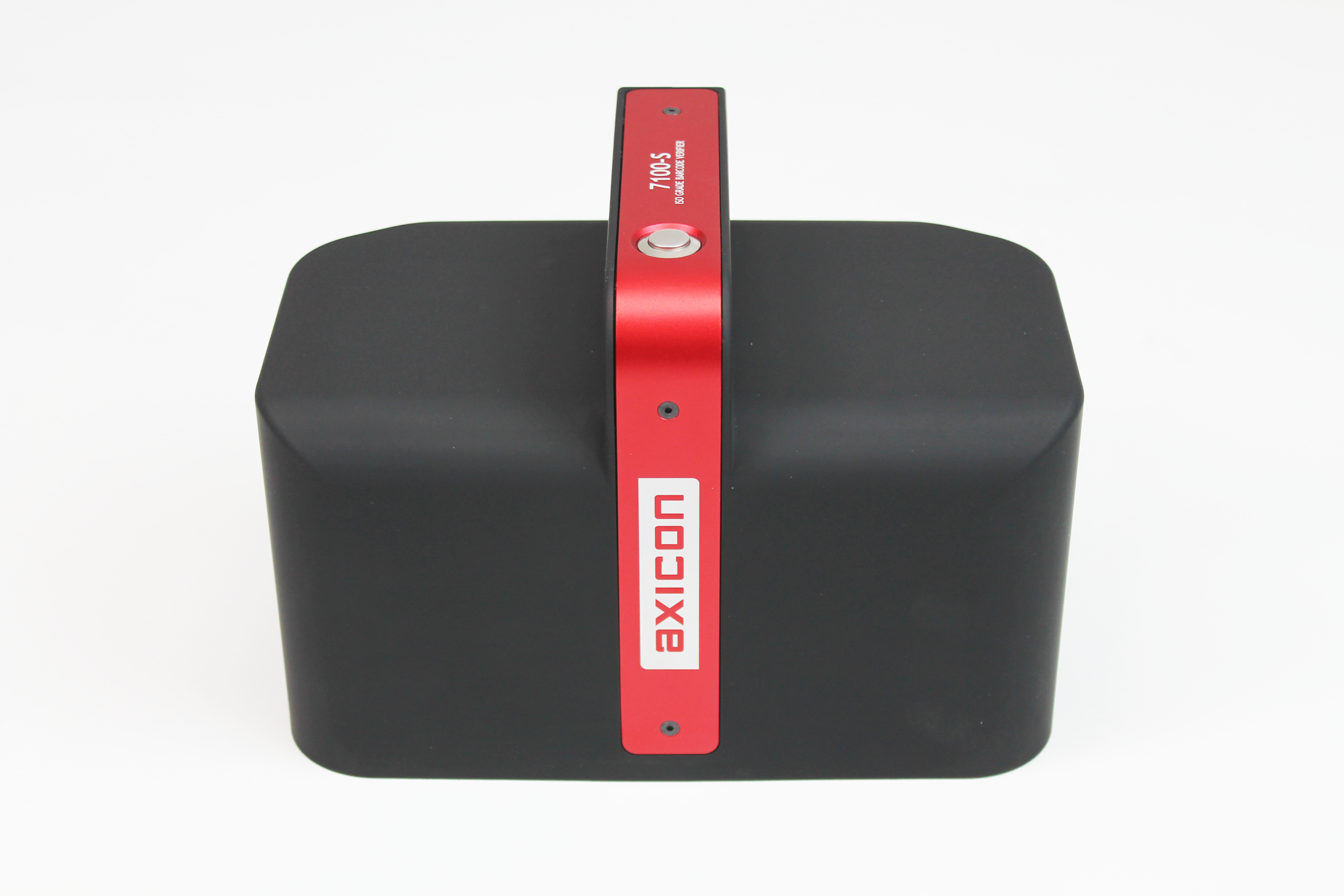
A large Midwest flexo label printer was struggling with an order for 6 million UDI labels for an important medical device customer. The press was sitting, the clock was ticking, and the grading was not what the customer required. ISO Modulation was driving the failing grades. The X-axis print gain was acceptable, but the Y-axis gain was too high. We recommended remaking the plate with Y-axis bar width reduction. The grades did not improve.
When Gain is Not the Issue
We suspect that printers will find themselves in this scenario. UDI label printers are most likely to encounter this issue, but non-medical applications using clear or reflective substrates will also experience it. And the solution is so obvious, it will be overlooked—we did at first.
Before the obvious solution occurred to us, other possible solutions were considered:
- Increase the X dimension and increase the final size of the Data Matrix symbol to add print gain tolerance
- Reduce the synthetic aperture
- Use a different substrate

Back to Basics
Each of the possible solutions had insurmountable problems. The label design couldn’t tolerate a larger symbol. Although a smaller aperture did improve the grading, the printer’s verifier was using the required GS1 UDI aperture. And going to the customer at the last minute to require a change in the substrate was unacceptable. Having reached an apparent impasse, we decided to go back to basics and review all of the verifier settings:
- X dimension
- Each ISO parameter
- Application Validation
- Verifier calibration
- Software version
Bingo! The verifier software had not been updated since the release of ISO/IEC 15415:2024. There was silence in the customer’s team meeting room, but they all heard the sound of one palm whacking a forehead in my office. They had to engage IT to update the software—another delay—but I promised it would be worth it.
ISO/IEC 15415:2024 was a significant update to the print quality standard for 2D barcodes. This 2024 edition updates the methodologies for measuring and grading the quality of 2D bar code symbols, including both multi-row and matrix symbologies. It also provides guidance on diagnosing and correcting issues that affect symbol readability.

How was this possible? What changed with the ISO standard that could result in this dramatic change in grading? Several things.
Value Rounding
The pre-2024 version of ISO 15415 reported grades in whole numbers. Graded parameters like Modulation were rounded to the lower whole number. If your barcode got a C grade, you didn’t know if it was a low C—almost a D, or a high C—almost a B. The 2024 update states grades to one decimal place. Fractional grading makes ISO grades more accurate—and often higher.
Other technical changes also improved grading—these are explained in greater detail here.
With some begging and pleading, IT updated the customer’s verifier software on a late Friday afternoon and—voila! The F grades were now B grades. Perfectly acceptable to the customer and a huge relief to the label printer.