How do you figure out what is wrong with a barcode that does not scan? Where do you start?
The obvious answer is to use a verifier. Usually—but not always—when a scanner cannot decode a barcode, a verifier can. Some verifiers can apply a special decode algorithm that mak es it possible to read even a very poor quality barcode. What if even a verifier cannot read your barcode? Then what?

Strategies for Diagnosing a Dead Barcode
Here are some strategies that can help you figure out what’s wrong with a dead barcode.
- Count the bars. This is not practical with some symbologies, but with UPC it’s easy. Version A or full size UPC should have 30 bars, 29 spaces. If a bar is missing, it won’t decode, no matter what you do.
- Examine the bars and spaces. There will be elements (bars and spaces) with varying widths. But there should be bars and spaces with the same width. If the thinnest spaces are thinner than the thinnest bars, the barcode is probably overprinted. This means that the inked image is too heavy and has spread into the spaces. If possible, ask to have it reprinted with less ink or with a compensation to diminish the ink spreading.

- Are there thin lines running parallel through the bars? Look directly above and below them on the label. That pattern could indicate non-working pixels in the thermal print head of the printer. Look closely at the print head. Are there areas that are covered with label adhesive or dirt? Clean the print head with a glue solvent and see if the problem is resolved. Otherwise, replace it.
- Look for similar damage in a 2D symbol. Capable as they are to correct errors, 2D symbols are not infallible. Some defects can kill a 2D symbol completely, such as damage to the finder patterns or quiet zones..
- Is there a laminate over the barcode? If possible, test the barcode before the laminate is applied. Isolate the laminate as a factor.
- Is there a pattern in the background behind the barcode? A scanner or verifier cannot distinguish those extra dark areas as not being part of the encoded pattern of bars or 2D elements. The damaging pattern can be regular, such as a halftone screen, or it can be random. Text or graphics in the background, a watermark or printing on the reverse side of the
 substrate can confuse a scanner.
 - Violated quiet zones kill 1D or a 2D barcodes. Examine the symbol closely to determine whether there are infringing text or graphics, or if the symbol is too close to the edge of the label or the corner of the package.

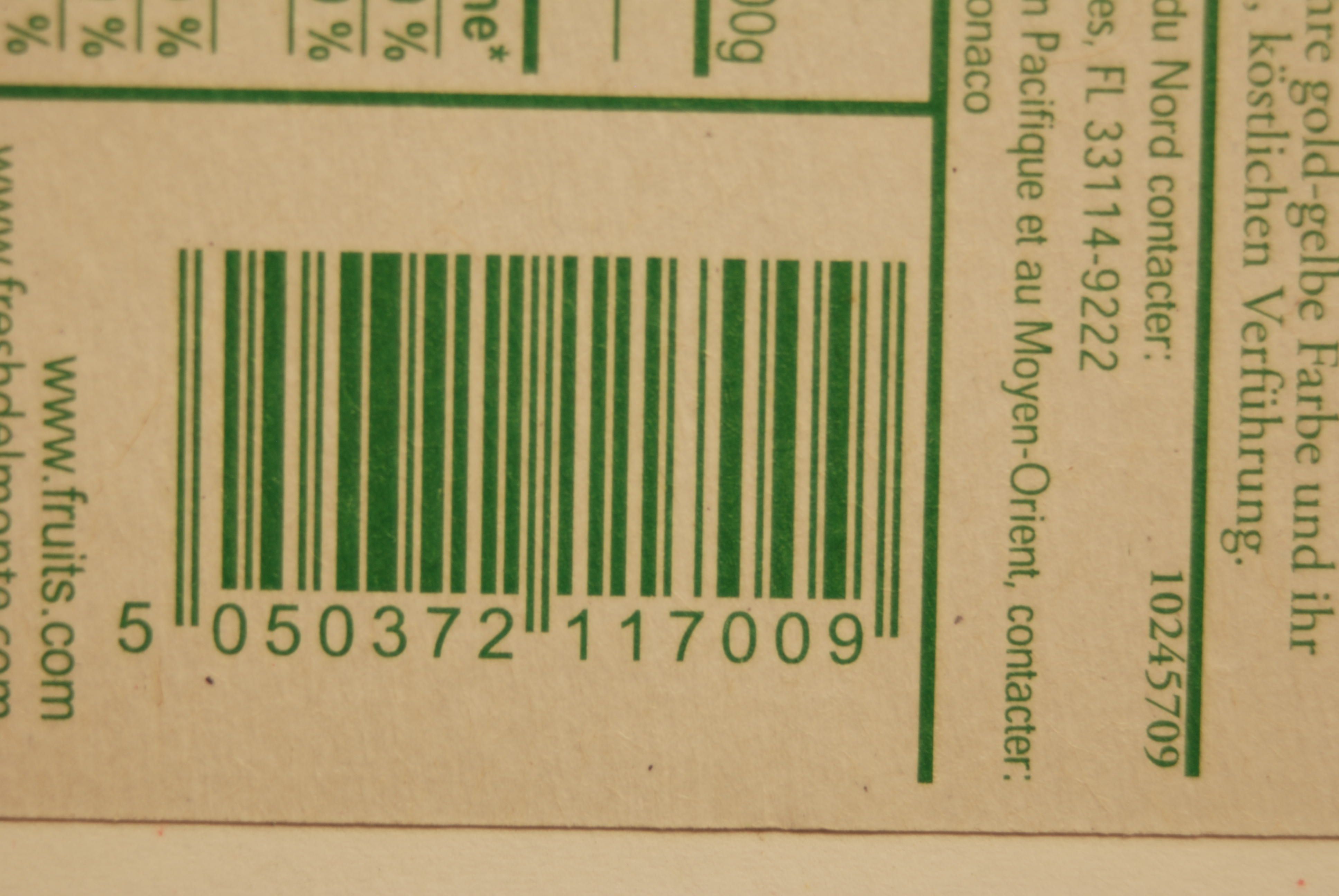

Low power visual examination can reveal many mysteries
As helpful as verifiers can be, your eyes and a low power magnifier can detect barcode problems and help to get them resolved. We can also help! Send us your questions or problem barcodes. Your comments are always welcome. Contact us here.