Everybody knows that barcode quality standards are the basis for predicting whether or not a barcode will scan correctly, or at all, as it travels through the supply chain to the end customer or user. But did you know that barcode standards can also help you get the best possible verification grade on your barcodes?

Recently, we tested a batch of barcodes for a supplier to the automotive industry. The supplier was informed that their barcodes must achieve at least an ANSI C grade. They were getting lower grades, and were concerned.
Standards–the Problem or the Solution?
Aside #1: Standards are often viewed as THE PROBLEM TO BE OVERCOME. The purpose of the standard is to predict successful barcode scanning on any scanner. The parameters in the barcode print quality standards help to determine ways to enhance scanning performance. Poor barcode quality is the issue highlighted by the standard.
Almost all of our customer’s label samples had significant print gain, and the ISO parameter Modulation and the new parameter Print Gain were consistently downgrading their Data Matrix barcodes

However, most of their sample labels were grading at the minimum ANSI C grade level required, but the supplier had stated that the grading was much lower. Why was there a discrepancy between our grading and theirs? Was their verifier out of calibration or malfunctioning? When we questioned the supplier about the verifier settings, they assured us they were using the same settings they had always used. This was a bit of a non-answer.
Aside #2: The GS1 General Specifications are one of many standards for barcodes. Automotive companies often use other standards, including ISO or internal, proprietary standards. Why? To optimize the barcode to their ERP, manufacturing, or supply chain processes. These are closed-loop systems that don’t mesh with the external world.
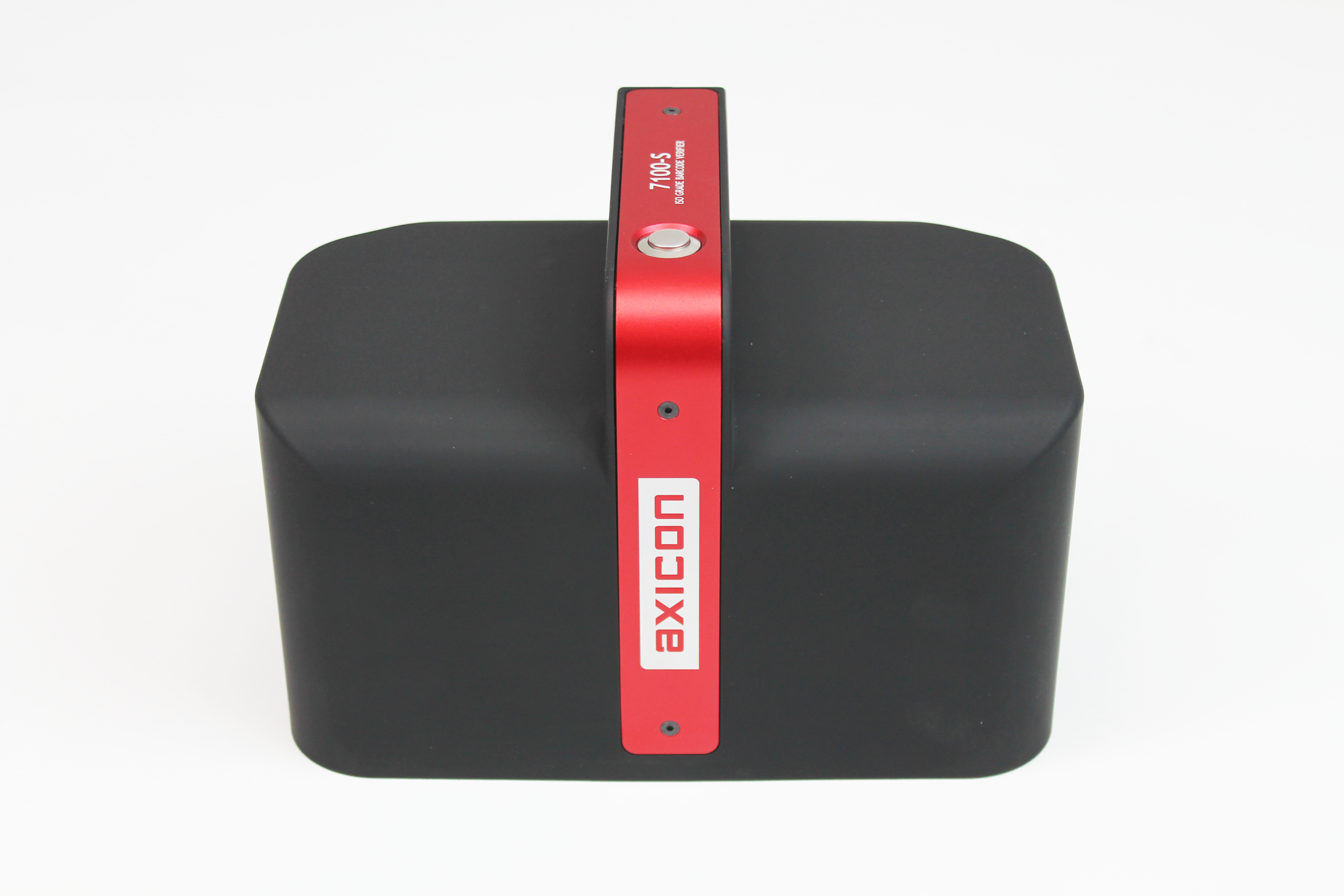
Some automotive manufacturers use ISO barcode quality specifications, which can differ from GS1 standards. We tested the supplier’s labels using our verifier set to ISO standards, resulting in better grade results. Also, our verifier was updated to the latest ISO standard for fractional grading of 2D barcodes. This update can often improve grading, especially for the ISO parameter Modulation.

It is important to understand that standards are designed to provide the plain truth about barcode performance. Although they are sometimes viewed as bad news, standards tell you not just how your barcodes grade, but also how to properly grade them. Following those guidelines will give you the best possible results for that specific scanning system. Standards also provide insights on how to improve barcode grading based on specific quality attributes. If it’s reporting a Fixed Pattern Damage problem, first look for a quiet zone violation. Modulation? Look at print gain.
Aside #3: Your awareness of the applicable industry standard is important when configuring the verifier software. No verifier automatically detects that a specific industrial standard applies to a barcode, just by scanning it. You have to set the verifier for MilStd130N or HIBC. Verifiers are smart but they need operator input.

Comments and questions are welcome. Schedule a free 30-minute meeting here.