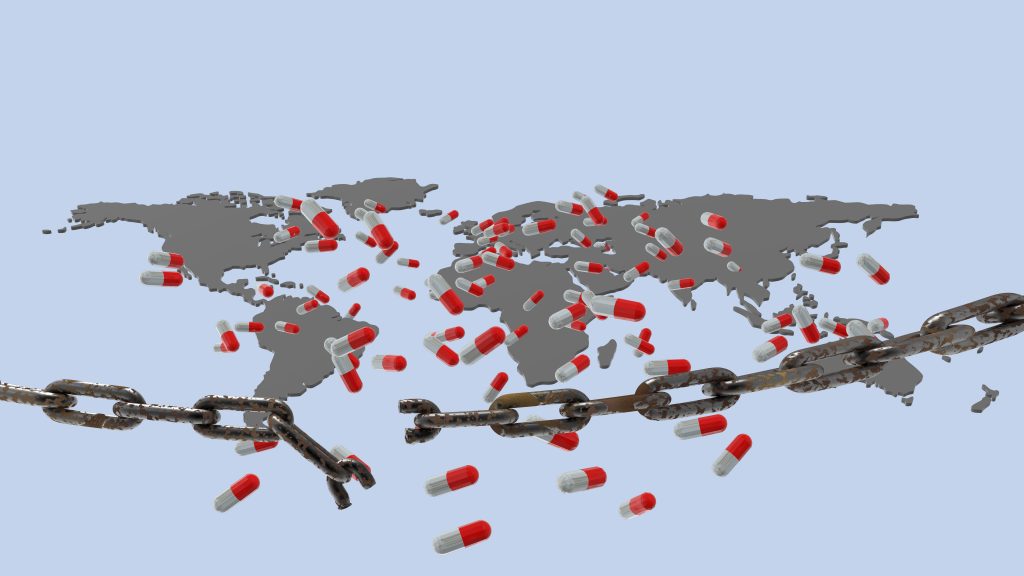
 The Drug Supply Chain Security Act (DSCSA) requires electronic, interoperable systems to trace prescription drugs at the package level across the U.S. supply chain, aiming to prevent counterfeit, stolen, or harmful products from reaching consumers.
Here’s a breakdown of the key DSCSA requirements:
🏛️ Overview
- Enacted in 2013 as Title II of the Drug Quality and Security Act (DQSA)
- Applies to manufacturers, repackagers, wholesale distributors, dispensers, and third-party logistics providers
- Full implementation deadline: November 27, 2023, with some exemptions extended into 2025–2026
🔐 Core Requirements
- Product Tracing


- Trading partners must exchange Transaction Information (TI), Transaction History (TH), and Transaction Statement (TS) for each drug shipment
- As of 2023, electronic-based tracing replaces paper documentation
- By 2025, tracing must include serialized product identifiers at the package level
- Verification Systems
- Partners must verify suspect or illegitimate products
- Includes checking product identifiers and responding to FDA or trading partner requests
- Licensure and Reporting
- Wholesale distributors and 3PLs must obtain national licensure and report status to the FDA annually
- Interoperability
- All trading partners must use interoperable electronic systems to exchange data
- FDA recommends using EPCIS (Electronic Product Code Information Services) standards

🧑⚕️ Dispenser Responsibilities
- Only accept products with complete TI, TH, and TS
- Engage only with licensed and registered trading partners
- Maintain records for at least six years
- Investigate and quarantine suspect products
📅 Compliance Timeline Highlights
| Entity Type | Full Compliance Deadline |
| Manufacturers/Repackagers | May 27, 2025 |
| Wholesale Distributors | August 27, 2025 |
| Large Dispensers* | November 27, 2025 |
| Small Dispensers** | November 27, 2025 |
Sources: FDA DSCSA Law and Policies, ASHP DSCSA Requirements, McKesson DSCSA FAQs
*26 staff or more
**less than 26 staff
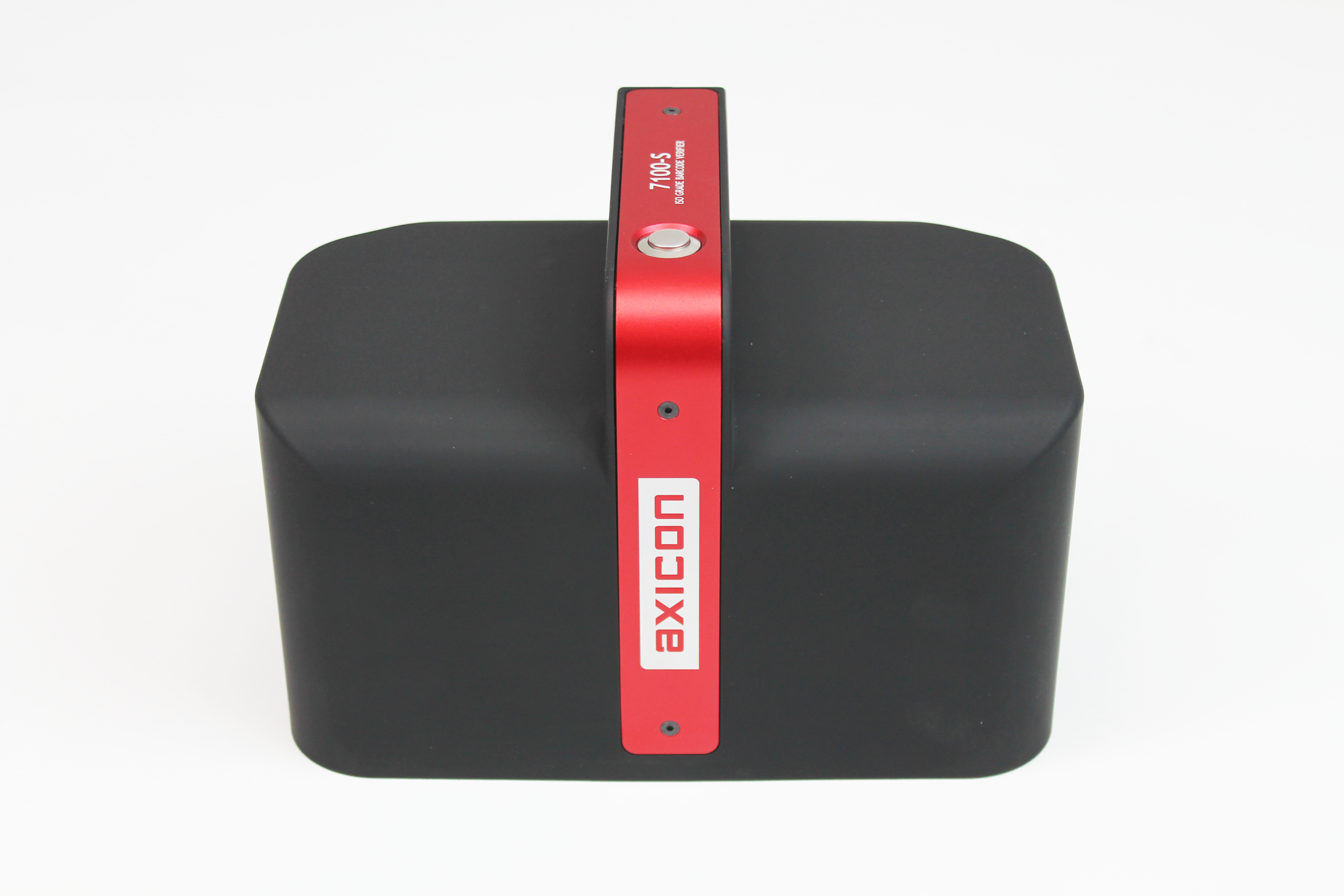
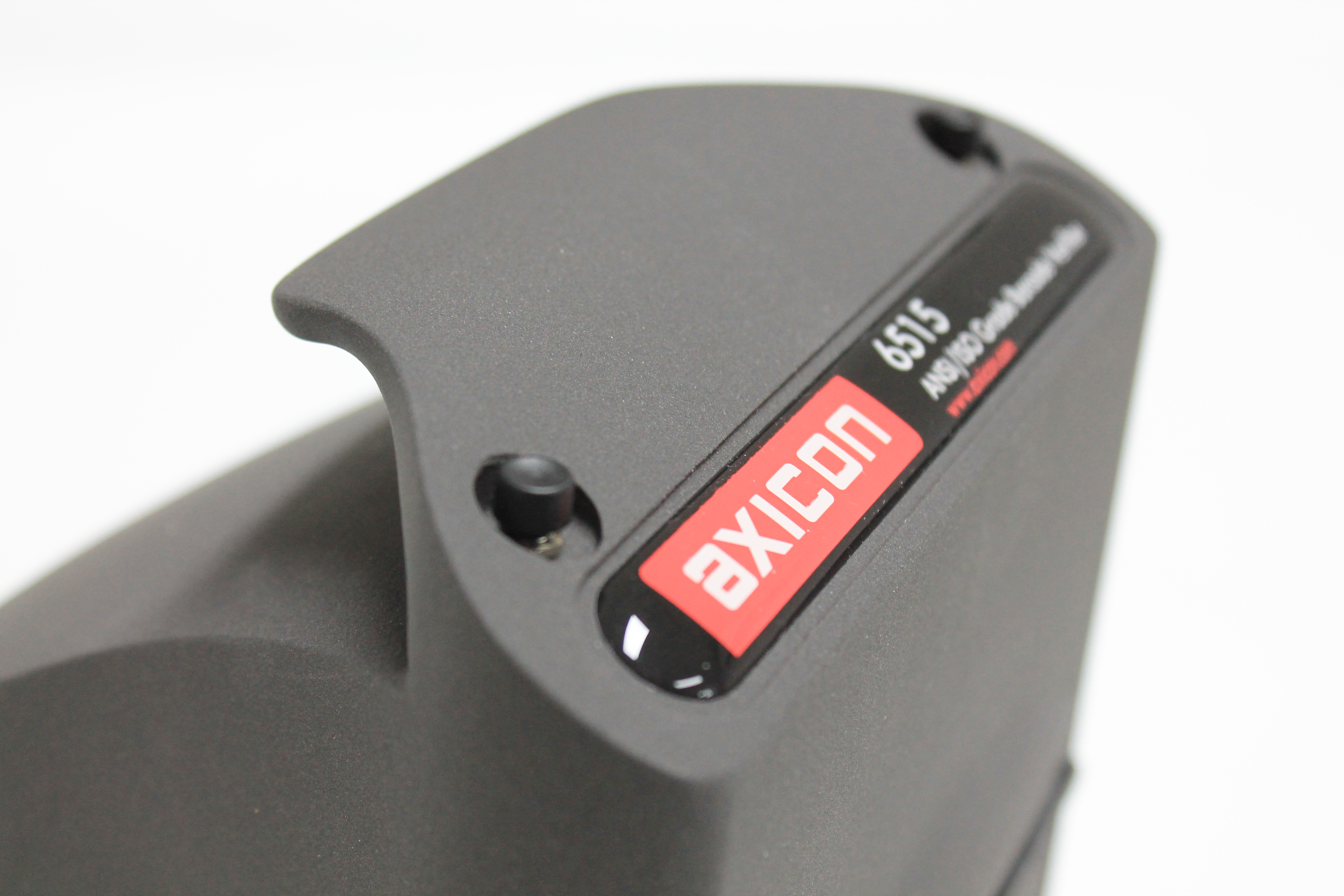 The UDI barcode is foundational to the DSCSA system. It must be present and it must work right. To work right, the barcode must meet two essential requirements:
- It must achieve an ISO 1.5 (ANSI C) grade or better for print quality
- It must comply with either the GS1 or the HIBC standard for data structure
Verification
A compliant barcode verifier tests and grades for these two essential attributes. The manufacturer or packager can do verification, or a contractor testing service can do it. We can help–Barcode Test LLC is an independent barcode quality and compliance testing lab.
Validation
Certain types of linear and 1D barcodes are acceptable data carriers for the DSCSA. It is important that a valid barcode type (symbology) is used, and that all trading partners in the supply chain are equipped to scan a specific symbology. Our testing identifies the symbology and tests it for UDI data structure compliance.
 Questions? Comments? Contact us here.