Skip to content
- Don’t create the barcode file yourself and absolutely don’t use one of the “free barcode” online sites. The money you will potentially save is microscopic in comparison to the amount of liability you’ll incur if anything goes wrong.
- If your product needs to have a UPC symbol, do it right and register with GS1 to get your own Manufacturer’s ID number. Don’t go to an online site that promises to give you your own number for some ridiculously low price. What they’re doing is parsing out a Manufacturer’s ID that belongs to them. Not only is that illegal, it defeats the retailer’s ability to replenishment your sold items in their inventory because the manufacturer’s number registration is not yours—it’s the online reseller’s.
- If you have more than one item to be barcoded, make sure you understand the application standards that specify how you should assign your numbers to your products. It is not necessarily your random decision.
- If you have more than one item to be barcoded, make sure you keep a clean and up-to-date record (database) of the numbers and the products to which the numbers have been assigned. Avoid keeping additional working copies of the database because they will surely get out of sync.
- If you are going to print your own barcoded labels to put on your products, at the very least, take samples to the local store to make sure they scan. This doesn’t do much but it’s better than nothing—it just assures you that one scanner in one location can read your barcodes. Much better would be to get a verifier (very expensive) or take your labels to a local printer that has a verifier or pay a barcode testing service to test your labels. You worked hard to get your product to market: that’s 99% of the hard work. The last 1% can be a killer—now make sure it’s going to get through the point-of-sale.
- If you are paying a contract printer (or even a local speedy print place) to print your barcodes (and maybe the rest of the package graphics) make sure they understand clearly that they are responsible for the barcode quality—and make them prove it by demanding a verifier report with every job they do for you. They like to get your business and cash your check: make sure they understand your requirements and their responsibilities.
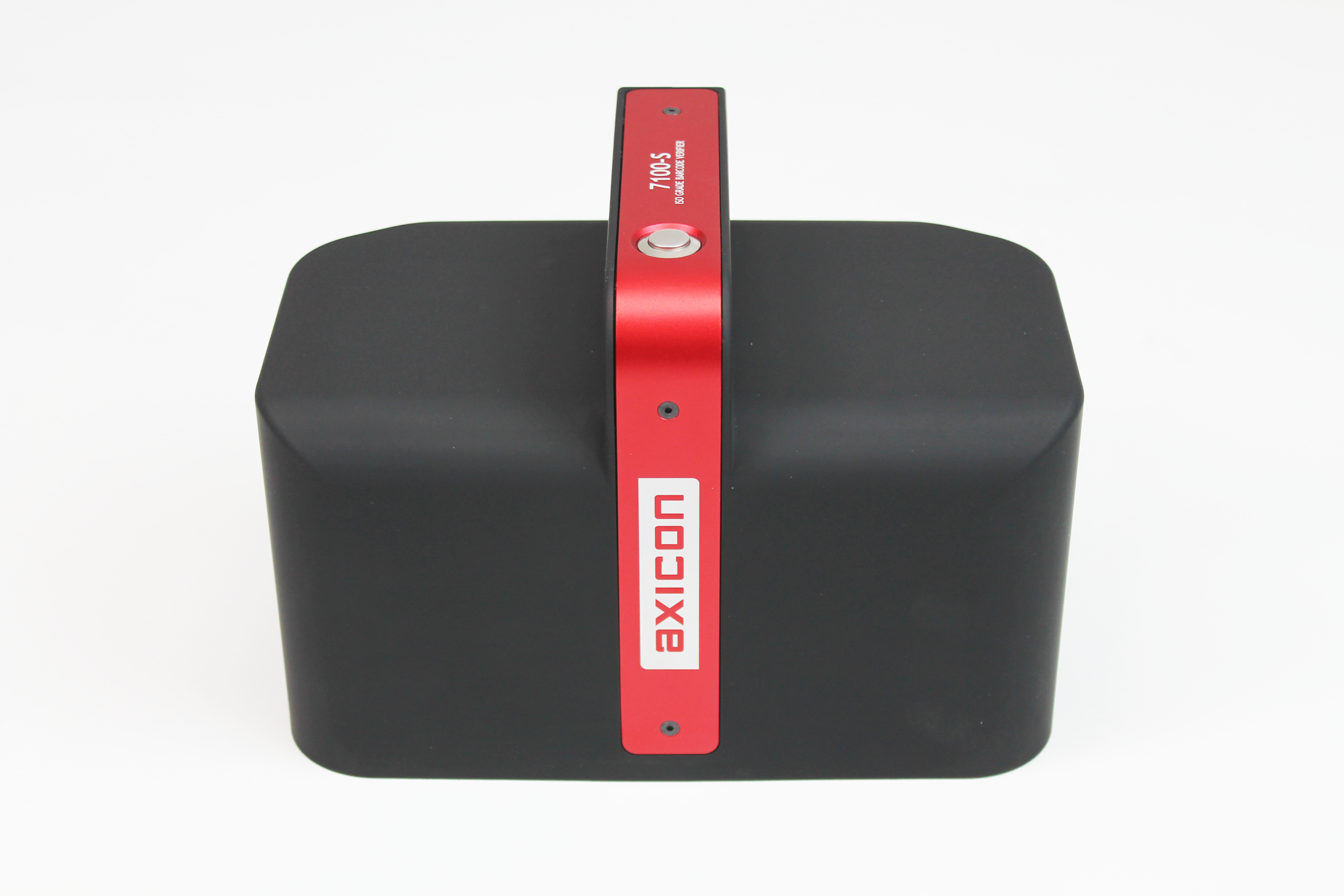
- If you decide to get a barcode verifier, make sure it is compliant to the ISO specification for verifier performance. There are verifiers available that are not certified ISO compliant and the manufacturers (and resellers) aren’t always very forthcoming about that.
- If you decide to get a verifier that claims to be ISO compliant, but it’s a used unit that the online auction says is working properly, make sure it has recently been calibrated and certified to be ISO compliant. A non-complying verifier is not a wise savings because it is not telling you the true condition of the barcode—and that’s a risk you want to manage.
- Make sure you know what kind of barcode is supposed to be on your item. Not everything should have a UPC on it. How do you find out? Ask whoever is selling your product.
- Make sure you understand the design specifications for your barcode—and don’t let your graphics designer make decisions about the barcode unless they are knowledgeable about it and can prove it. Certain barcode types have, for example, minimum and maximum sizes; some barcodes should not be truncated to make them shorter; all linear barcodes must have a blank space (quiet zone) to the left and right sides of the barcode—but not at the top and bottom.
- Make sure you (or your designer) put the barcode in the correct position on the package. The symbol specification and industry application will probably dictate where the barcode must be. Putting it in the wrong place bears as much liability as if the barcode didn’t scan or was the wrong symbology.