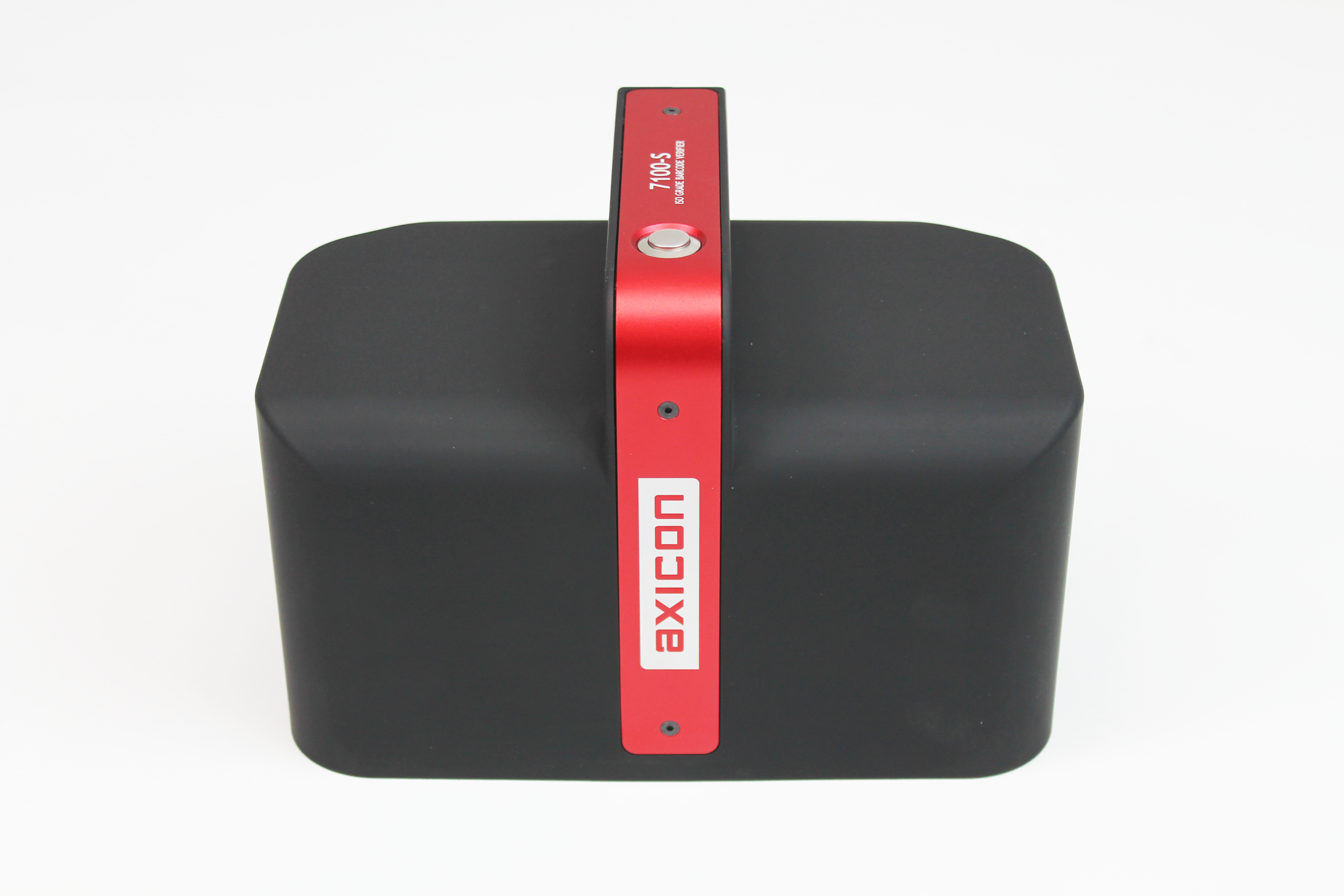
A barcode audit can be one of the most stressful things a vendor will experience, be it a retail, healthcare or a manufacturing supply system. A stress-free barcode quality audit is the result of good internal practices and good external communications. Audits are an increasingly frequent occurrence in a world where barcodes support ever more functions and processes, and just-in-time enterprise resource management systems make flawless barcode performance ever more important. A barcode audit is a risk management tool for industries and businesses that simply cannot tolerate supply chain disruption.
Barcodes are used everywhere. They are no longer just database lookup of stock keeping units or SKU’s, although they still function that way in much of the consumer retail space. The reason to audit SKU barcodes is mostly driven by print quality concerns: data structure is relatively simple. Many of the newer uses of barcodes are much more complex, and data structure is every bit as concerning as print quality. Showing how printed image quality and data integrity are maintained will be important attributes of a barcode quality audit. Just as important will be demonstrating how these attributes will be maintained over long intervals of time: what testing equipment method will be used? What data will be captured? How will it be tracked over time to anticipate changes in the barcode that will eventually lead to failure?
Initially, setting up a barcode quality system is about communicating with all the trading partners who will rely on the barcodes. What barcode symbologies will they use? If they are only using 1D or linear barcodes now, do they anticipate adopting 2D or matrix symbols in the future? What standard for data structure will be used? What grading system (ANSI or ISO) do they prefer, and what is their minimum acceptable grade level? Do the trading partners require barcode quality reporting? How frequently and in what form? These are the “external” factors in an audit-ready barcode quality system.

Internal factors are based on the above. Carefully research and invest in a verifier that tests and reports print quality and data structure based on your trading partners’ industry requirements—not all verifiers do. And not all verifiers are ANSI or ISO compliant. Even if the trading partners do not stipulate or require ANSI/ISO compliance, it makes no sense to invest in a test device that is not ANSI/ISO compliant. Some verifiers can be configured to write the test results into a spreadsheet, making it easier to track results and identify trends over time.
Decide how often to collect and test samples. This may be an internal decision, or it may be dictated by trading partners. Inline verification devices are available to do 100% automated verification. Spot checking to a time or sample number increment can be done at a test station or with a portable device that goes to where the barcodes are produced. Make sure the portable device saves and transfers the test data easily so that the results can be compiled and reported in accordance with trading partner requirements.
All of these pieces must be documented clearly and completely in a corporate barcode quality manual, which should include language about training to ensure that everybody knows what is expected and how to achieve it. Ongoing records provide you and your trading partners’ confidence in your process and procedures. This is how you create a stress-free barcode audit system.