The basic corrective actions for matrix barcodes are similar to those discussed in Part 2 of this series, which covers this topic for linear barcodes. You may wish to read that article, as we will not repeat the commonalities here. There are some important differences both in ISO print quality and industry application data structure.
Matrix Barcode Print Quality
Matrix or 2D barcodes differ from linear or 1D barcodes in several ways. Although in both cases the substrate is moving during the printing process, the motion only affects the image in the direction of travel. The image of a linear barcode will be impacted either in line with the orientation of the bars and spaces, or perpendicular to it. If the printer is running at high speed, the bars could be somewhat wider than nominal if they are oriented perpendicular to the direction of travel. If the bars are in line with the direction of travel, only the height of the bars will be impacted.
A matrix barcode encodes information on two axes, so high speed travel in the printing process will impact it in one direction. The square elements may be elongated into rectangles, which will downgrade one or more print quality parameters.
Quiet zones which are correspondingly smaller in matrix codes will also be impacted.

Barcode Design
We did not touch on barcode design files on Part 2, so we will do so here. The design file is where compensation for gain can be made. This compensation is commonly called bar width reduction. This is a one-axis adjustment in line width for linear barcodes, but a two axis adjustment for matrix barcodes. Furthermore, if printer travel speed is a factor, the line-of-travel compensation may be different than the perpendicular compensation.
Data Structure
 There are many industrial applications for barcodes. Barcodes for aerospace applications have different data field attributes and prefixes than healthcare, defense and other barcode applications. A generic data matrix code is structurally different from a GS1 Data Matrix code. Adding to the confusion, the human readable information is not repeated verbatim in the encoded information in the barcode. This is a common but devastating mistake. A perfectly printed barcode with structural errors will fail just as surely as a poorly printed, perfectly structured barcode.
Barcodes in retail and other end-user situations differ from barcodes in distribution. The bar widths for barcodes on inner cartons and master cartons are much wider than barcodes on consumer-level primary packaging. A verifier will fail a barcode if the bar widths violate the relevant industry application.
Verification
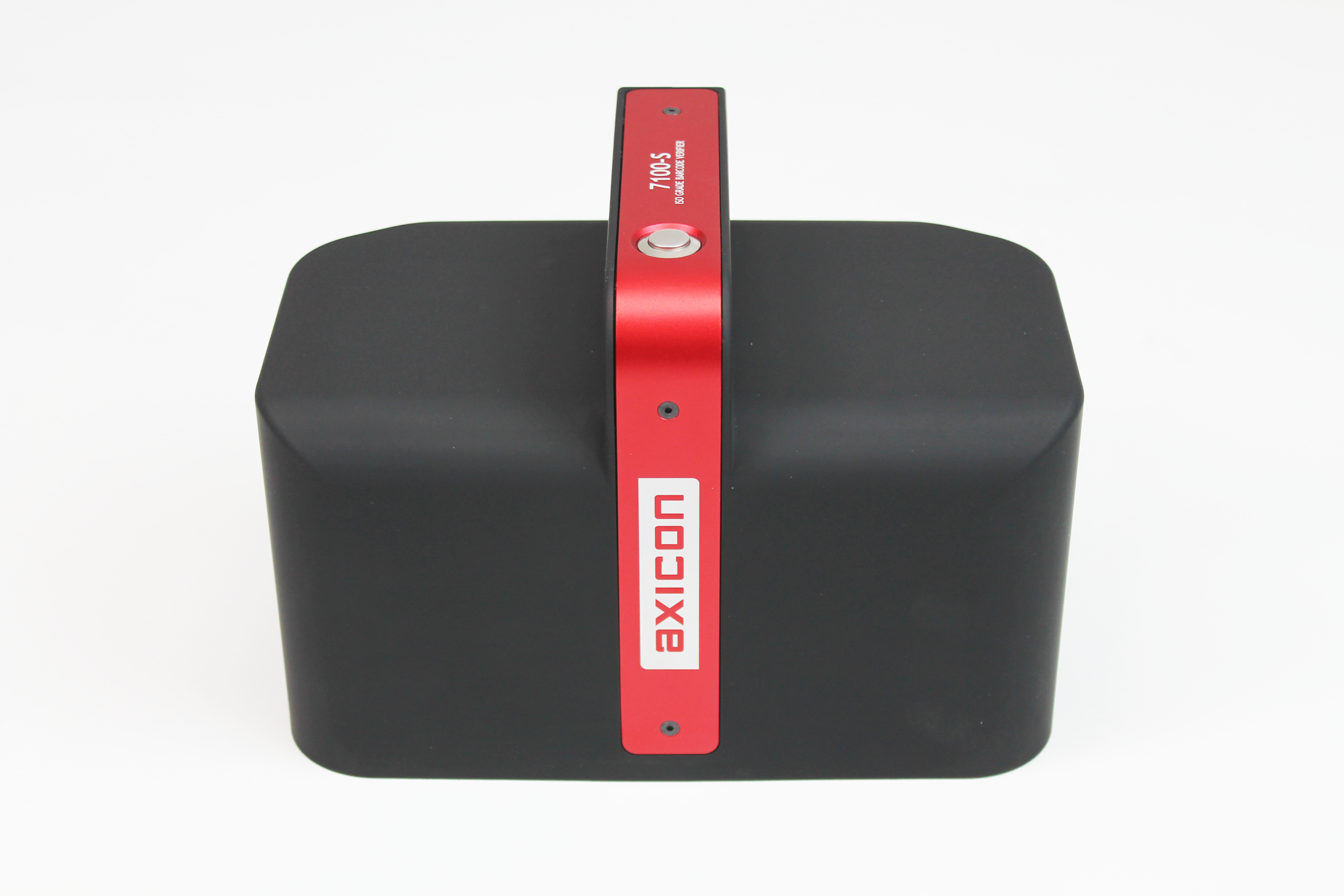
An ISO compliant barcode verifier is the best way to test and grade a barcode for ISO print quality and industry application data structure. The verification report will indicate what ISO parameters and/or industry application attributes are downgrading the barcode. This pinpoints the necessary corrective actions.
 Comments are welcome: contact us here.
Schedule a free 15 minute consultation here.