There are few things less exciting than barcodes on corrugated, although barcode failures can certainly cause excitement. Retail-level barcoding is not recommended on the undulating corrugated surface because the smaller bar widths are more sensitive to printing inaccuracies. The workhorse ITF-14 accommodates this but some cautions remain.
Beyond Flexo
Inkjet has replaced flexo printing in many packaging plants, creating some interesting, unexpected problems. A recurring question we hear is about the bearer bars that are still required by GS1.
Bearer Bars
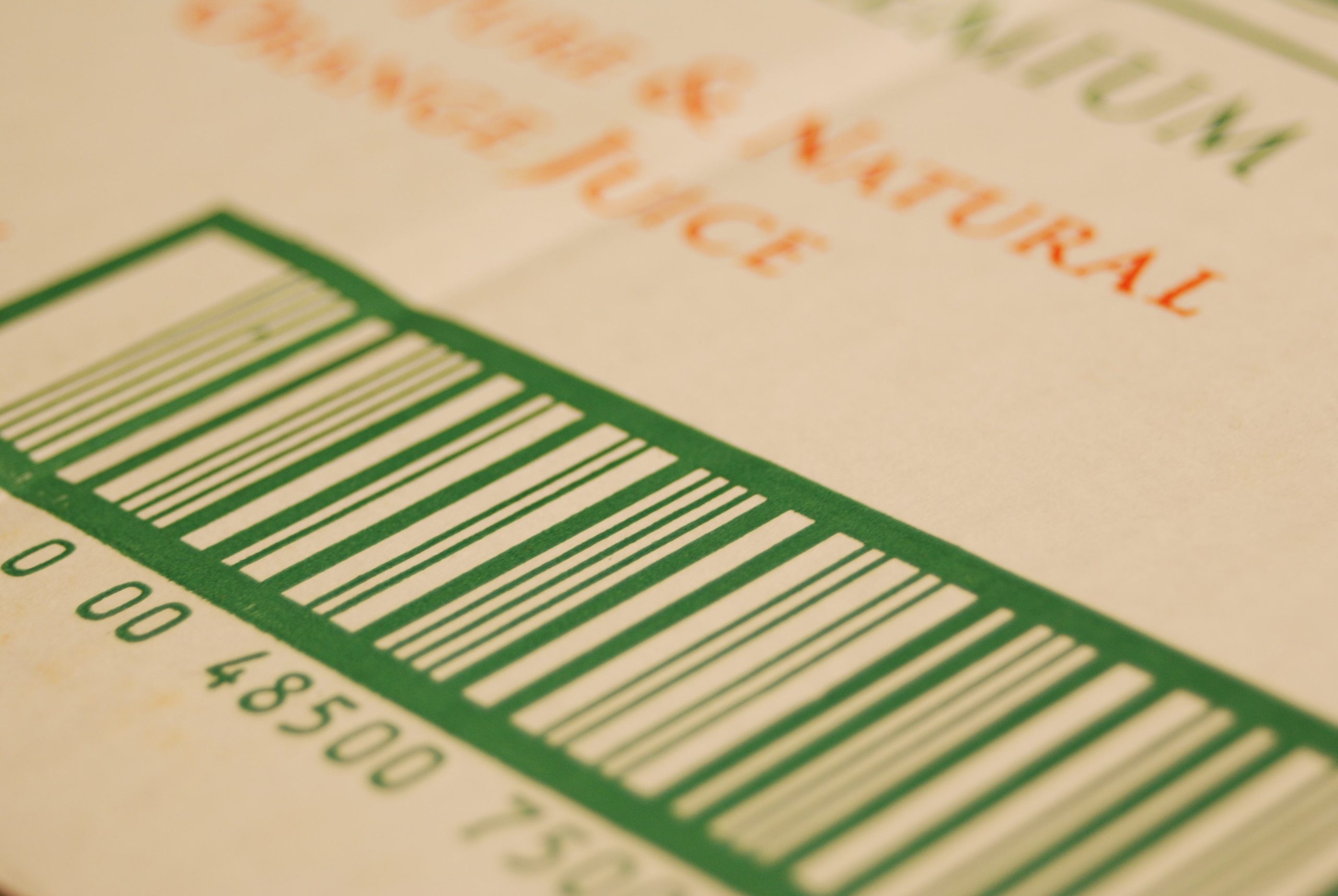 Most people equate bearer bars with the flexo process, which is not incorrect. As the name implies, bearer bars help to maintain a uniform amount of pressure of the flexo plate against the corrugated substrate. This prevents the narrow bars from excessive spreading and distortion. But inkjet printing is non-contact, so isn’t the need for bearer bars eliminated? But the GS1 General Specification still requires them. Here is what the standard says:
• Bearer bars protect the barcode image, prevent distortion, and ensure accurate scanning
• Bearer bars must surround the barcode and quiet zones for plate printing
• Bearer bars are required only on the top and bottom of the barcode
Why does GS1 require bearer bars on non-contact printing? It is actually about the barcode itself and not the printing process.
Partial Scans
Visualize scanning an ITF barcode, a thin red line crossing the barcode. Imagine that line taking a diagonal path and running off the top or bottom of the barcode at some point—not a complete path from left to right across the barcode. A laser scanner could capture a scan from only a part of the barcode.
Wait a minute—wouldn’t the check digit catch the error if only part of the barcode is decoded?
ITF is a relatively crude symbology—I say that with a lot of respect: it’s an effective solution to an important problem. But its simplicity comes with vulnerability to partial scans.

Tutorial #1
ITF (Interleaved Two of Five) is one of very few symbologies where the check digit is optional(!). If there is no check digit, a partial scan is possible
The GS1 version requires a check digit but the scanner must be programmed to expect a check digit
Tutorial #2
OK, so if GS1 requires a check digit, wouldn’t that prevent a partial scan? OK, another quick tutorial. In many applications, scanners are programmed to accept only certain bar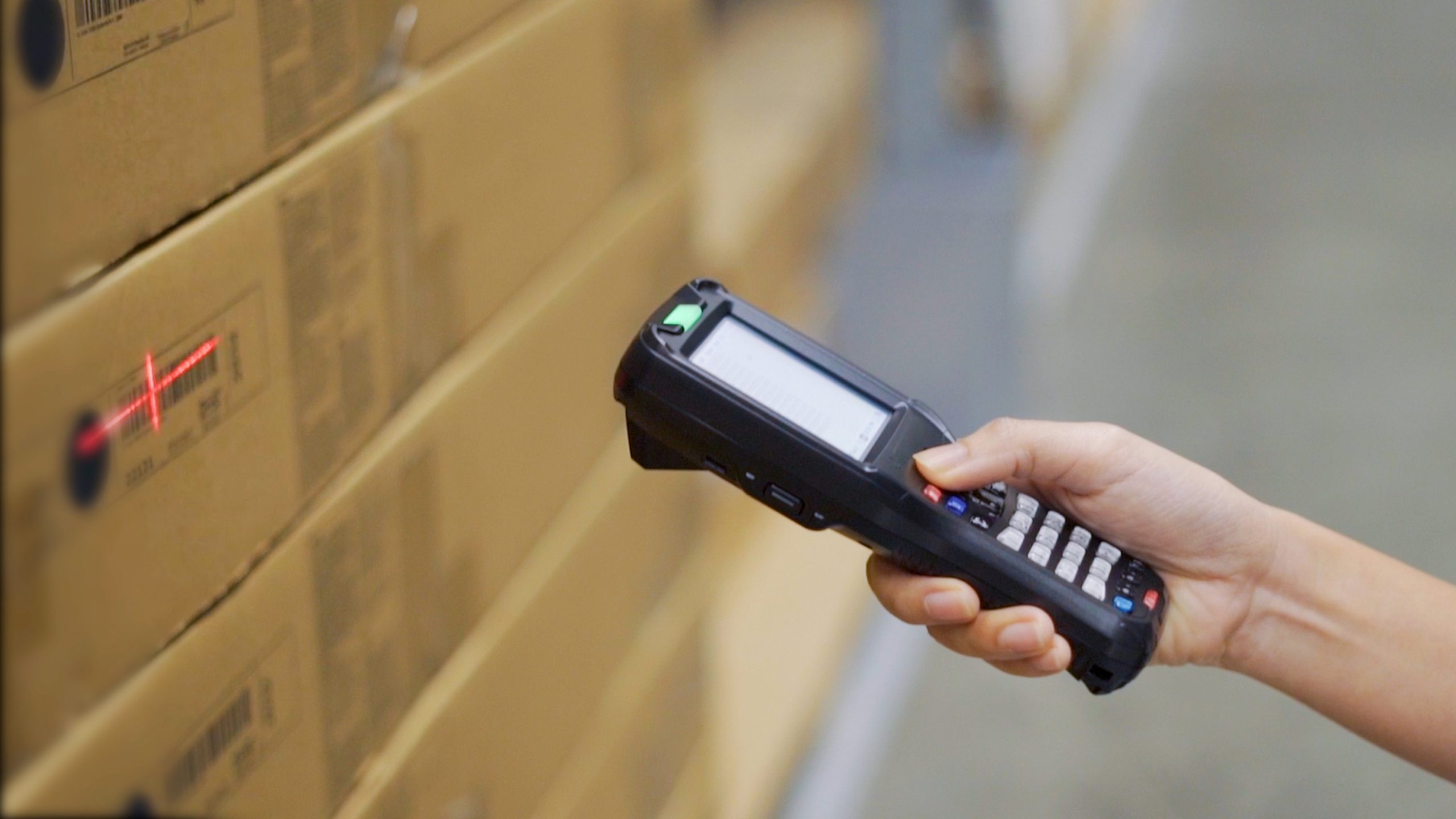 codes. A frontline scanner at a retail store is programmed to read only the product barcodes in the store. An alien barcode wouldn’t scan.
If a scanner has not been properly programmed to accept only GS1 ITF barcodes with a check digit, it could capture a partial scan. It’s a rare, perfect storm but it does happen.
The top and bottom bearer bars prevent a partial scan by adding an additional wide bar that would confuse the scanner and defeat the decode.
More Best Practices
Reducing the nominal height of the bars, aka truncation, makes a partial scan more likely. This is why GS1 prohibits truncation in all except unavoidable circumstances
Finally, for complete-surround bearer bars for flexo printing, don’t encroach the quiet zones! Remember, quiet zones have a minus-zero tolerance. If you place the vertical bearer bars right at the edge of the quiet zone, the slightest amount of print gain will violate the quiet zones! Your otherwise perfect barcode won’t scan.
 Questions? Comments? Contact us here.