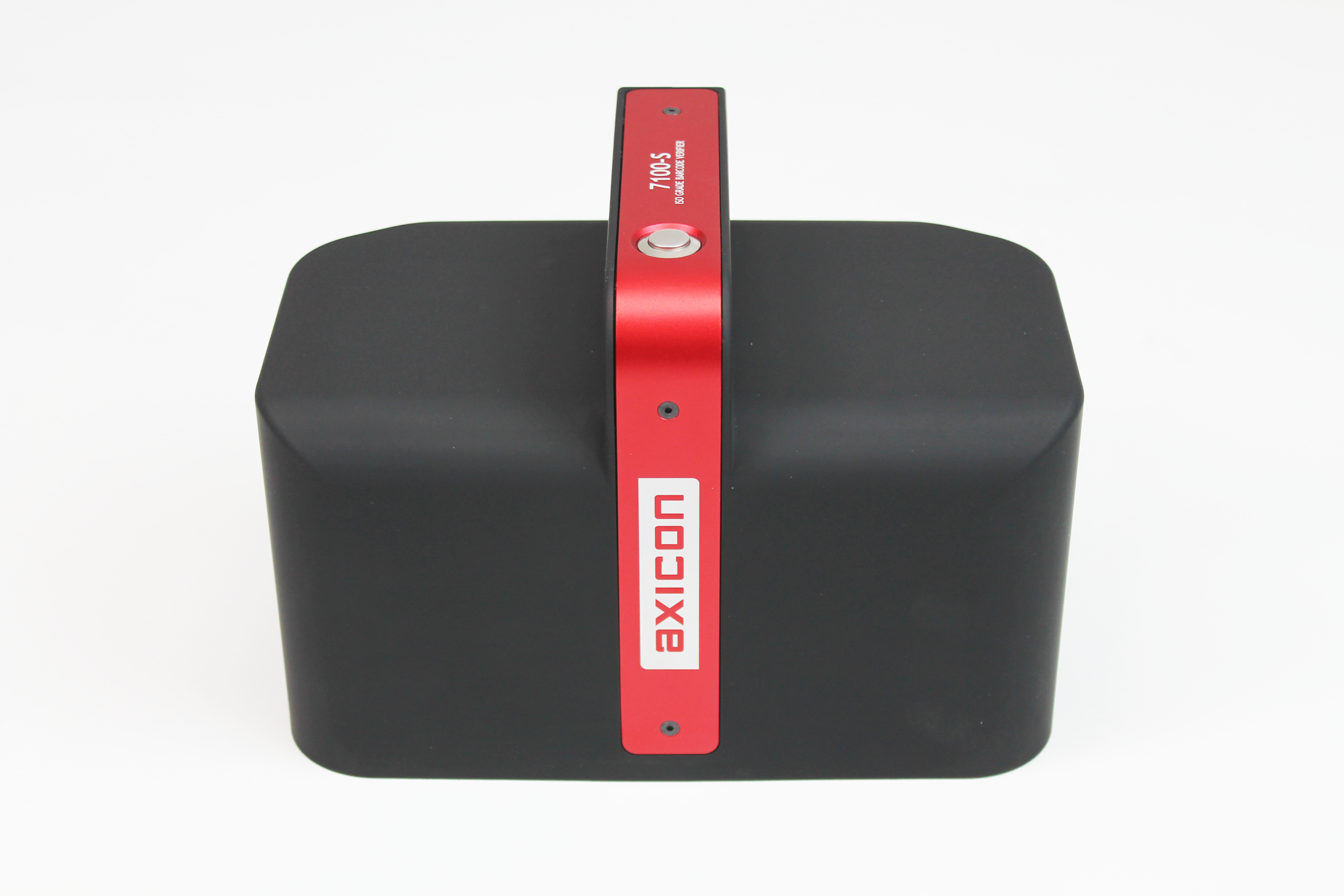
We’ve made the point countless times before, and it bears repeating: barcode verifiers are expensive, but as a risk management tool, they pay for themselves. As a risk management tool, a barcode verifier accomplishes many important functions:
- Evaluating print quality problems
- Tracking print quality deterioration over time
- Identifying the cause of the print quality problem

- Validating barcode compliance to a specific application
- Supporting customer confidence and loyalty
Not an Option
A barcode verifier in a highly regulated business is not an option. It is a metrology tool that requires periodic recalibration and recertification, and the quality system auditor will want to see the log. This also accrues to confidence in your process and accreditation. But if this is what you do and why you do it, you are getting only half the potential value of your barcode verifier investment—and probably most, if not all, of your other quality and compliance investments, too.
Risk management tools create value when they drive action, not just documentation.
Action, not Archives
Print problems detected by a barcode verifier point to printer settings including impression, print speed, barcode orientation, substrate and ink or ribbon compatibility and other problems. The verifier can also pinpoint compliance problems, which are structural, unrelated to print quality but every bit as important.
 While documentation is important, its value extends beyond passing an audit. Leveraging that value starts with asking questions:
- Are certain print quality problems recurring? What parameters are involved?
- The Defects parameter is often related to poor printer maintenance
- Barcode structural problems are often caused by the design data, not printer settings. How well do graphic design and label printing communicate?
Leverage Mindset
Examine the mindset. Is the barcode verifier considered just a reporting tool? When it tells you what is happening with your barcodes, do you just fix it and move on?
There is a potential treasury of information that the verifier can point you to: how often does this problem arise? Is it always just this printer, this design file, this substrate, this operator?
Early identification, timely decisions and collaboration turn potential risks into opportunities for prevention. It’s not more work—it’s just thinking differently.
 We can help. Contact us here.