 Ironically it seems that the more important and prevalent barcode quality becomes, the more frequently we encounter situations where barcode scanners are being considered and used instead of barcode verifiers. It is a puzzlement and a concern, and it reminds me of wisdom my father shared with me about motorcycle riding. “There are two kinds of riders,” he said to me shortly after I traded my first bike for a larger, nicer, faster bike. “There are those who have experienced laying the bike down at high speed, and there are those who haven’t experienced that—yet.” We’ve written about the mission-critical difference between scanners and verifiers before but the learning curve still rules: there are those who have experienced chargebacks and those who have not—yet.
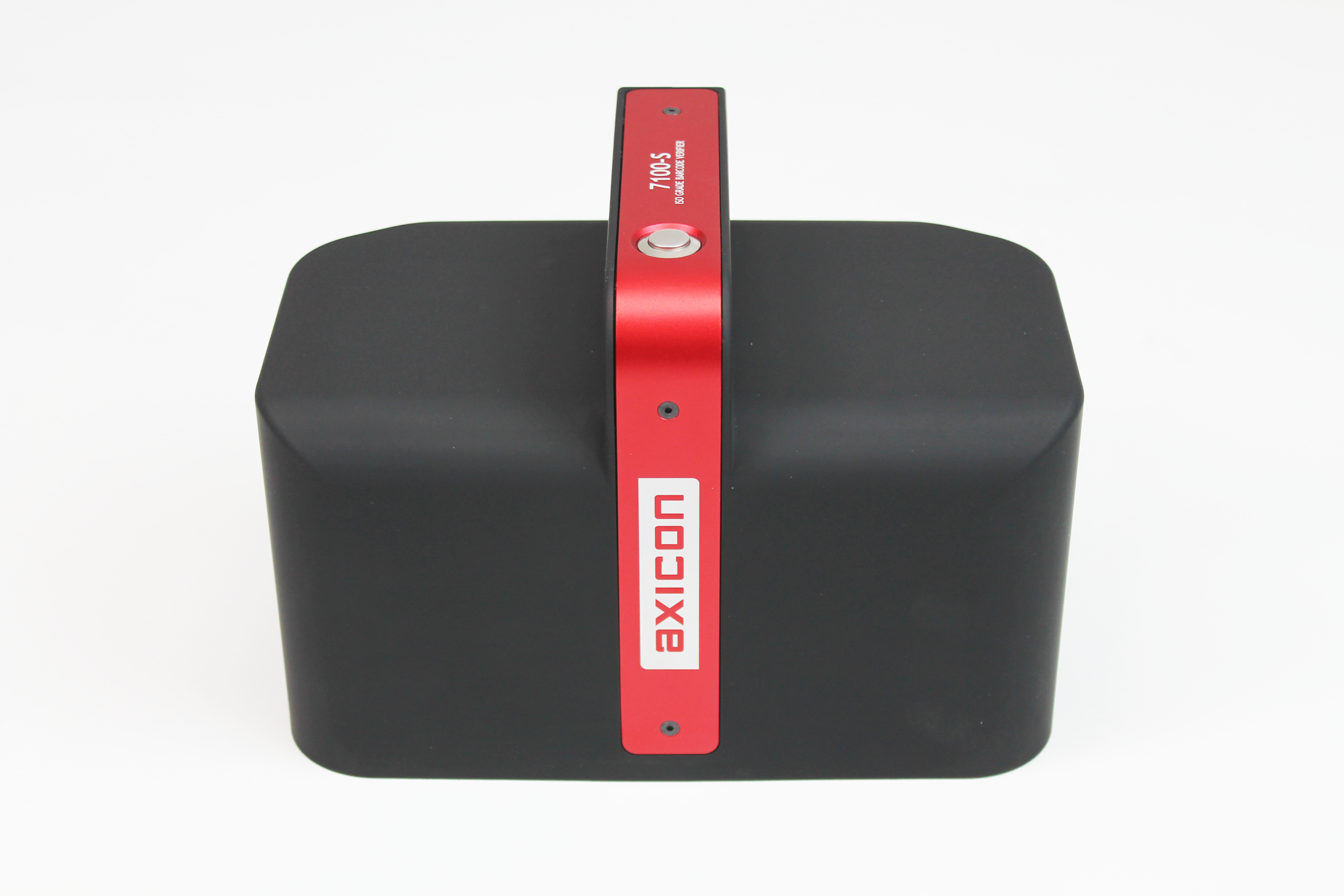
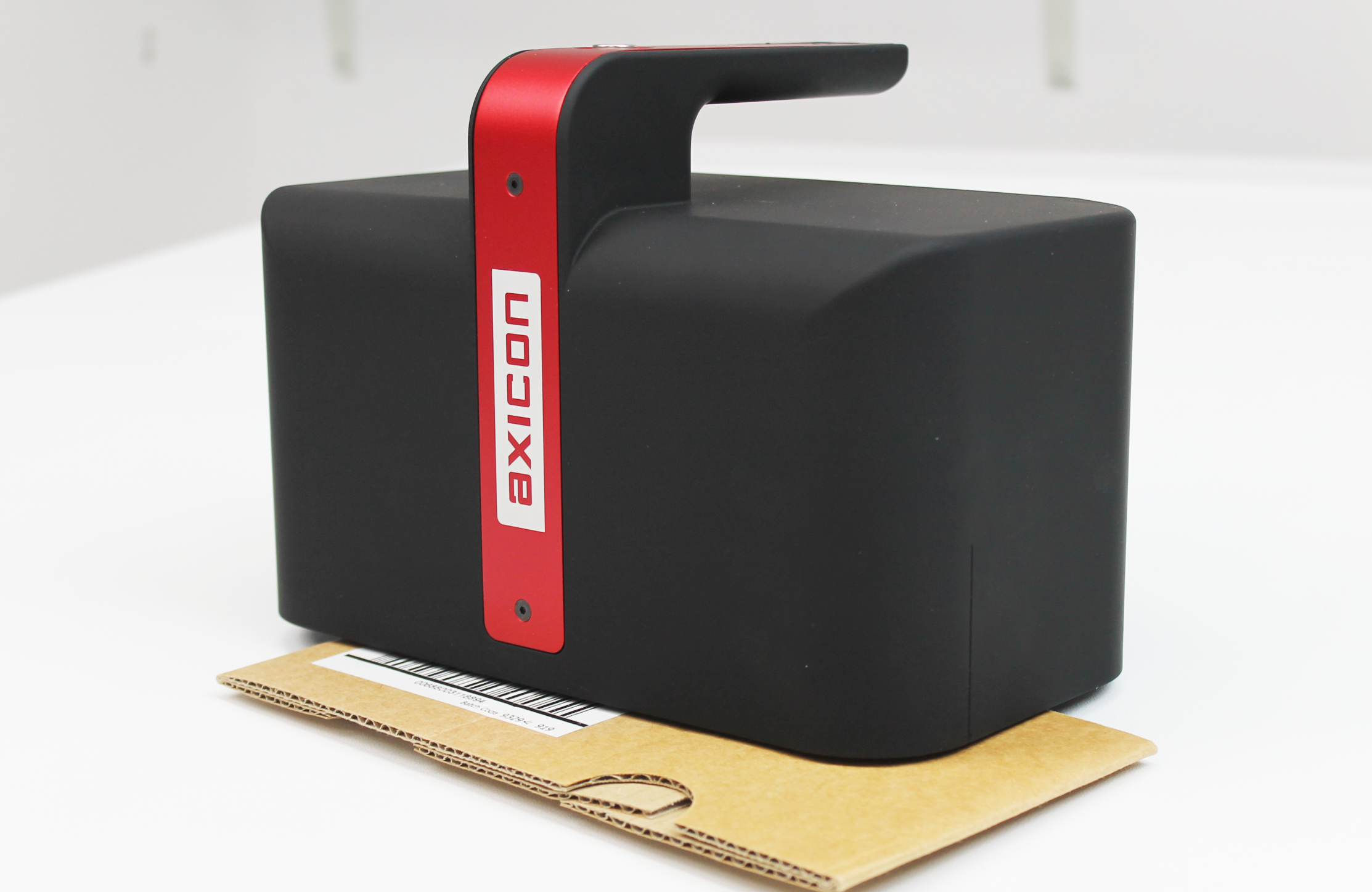
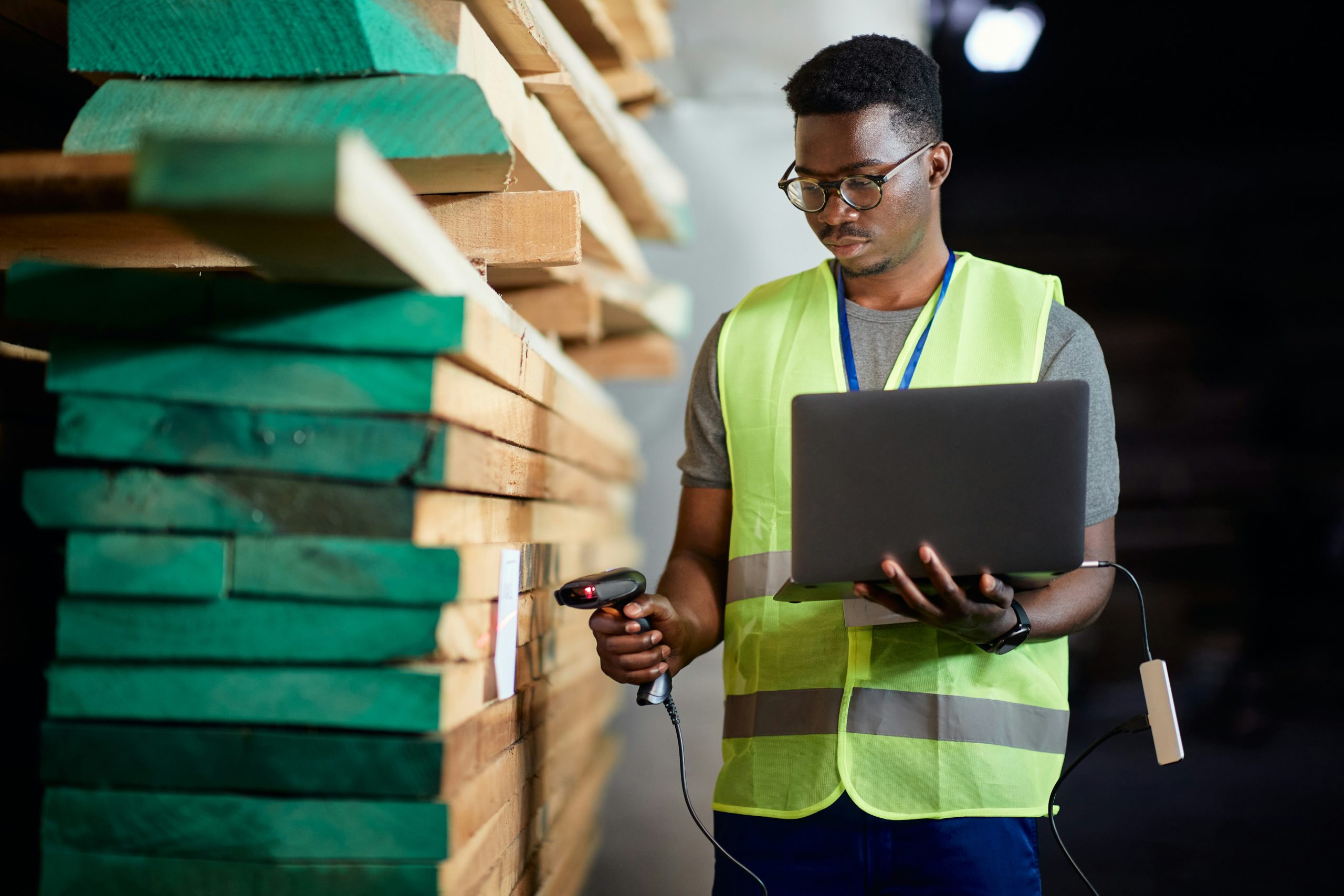
A barcode scanner has one purpose in life: to capture a successful scan of a barcode. A barcode verifier also has one purpose, albeit a very different one than a scanner: to find a problem with a barcode. What, in the case of a scanner, is a “successful scan” of a barcode? Basically it is a “beep” which signals that it captured—something. Conversely, a “successful scan” of a barcode with a verifier provides the information necessary to predict whether or not that barcode will work correctly, regardless of what scanner technology is used to scan it. A verifier can also be used to make sure that the data encoded in the symbol matches the human readable interpretation and complies with the industry application standard for how that data should be structured. The scanner just “beeps”.

Risk management is an important aspect of barcode verification. When barcodes don’t work as expected, there can be significant liabilities, starting with chargebacks at the low end and escalating to damaged trading partner relationships at the high end. If the ”test device” was a scanner or somebody’s smart phone, there is very little defense in that difficult conversation with a concerned, disappointed or angry customer. They expected more and you thought you had delivered more. Everybody is unhappy with a product that failed to deliver on promises made, promises broken.
Consider a scenario that started off similarly but ended very differently. We have provided testing services to a client whose customer uses their barcode labels in a blood reagent testing machine. The labels are affixed to a small, plastic cartridge containing a diabetic patient’s blood sample. The machine tests the blood and an embedded scanner logs the test sample to the patient’s medical record. When the customer received a batch of labels that did not work in their machines, their concern quickly climbed the supply chain through the label supplier to us, the test lab. Our records documented the test device as well as the test results—the labels were compliant. We were called into a meeting and retested the samples that had been pulled as defective; we retested them on the spot and our earlier test results were corroborated: the labels were compliant.
Suddenly the atmosphere in the room cooled; voices softened, volumes were turned down, pointing fingers retracted into anxious palms. What was wrong? Where did the fault lie? What next? The root cause of the apparent barcode failure was not uncovered immediately but within a few weeks it was discovered. The onboard scanners had not been serviced as specified by the manufacturer, and several of them had begun to fail. The barcodes themselves were fine; the reagent testing machines were at fault.
Barcode verification can not only protect you from a devastating error that could be made in your shop, it could help your customer identify a more serious problem while absolving and protecting you and your important customer relationships.