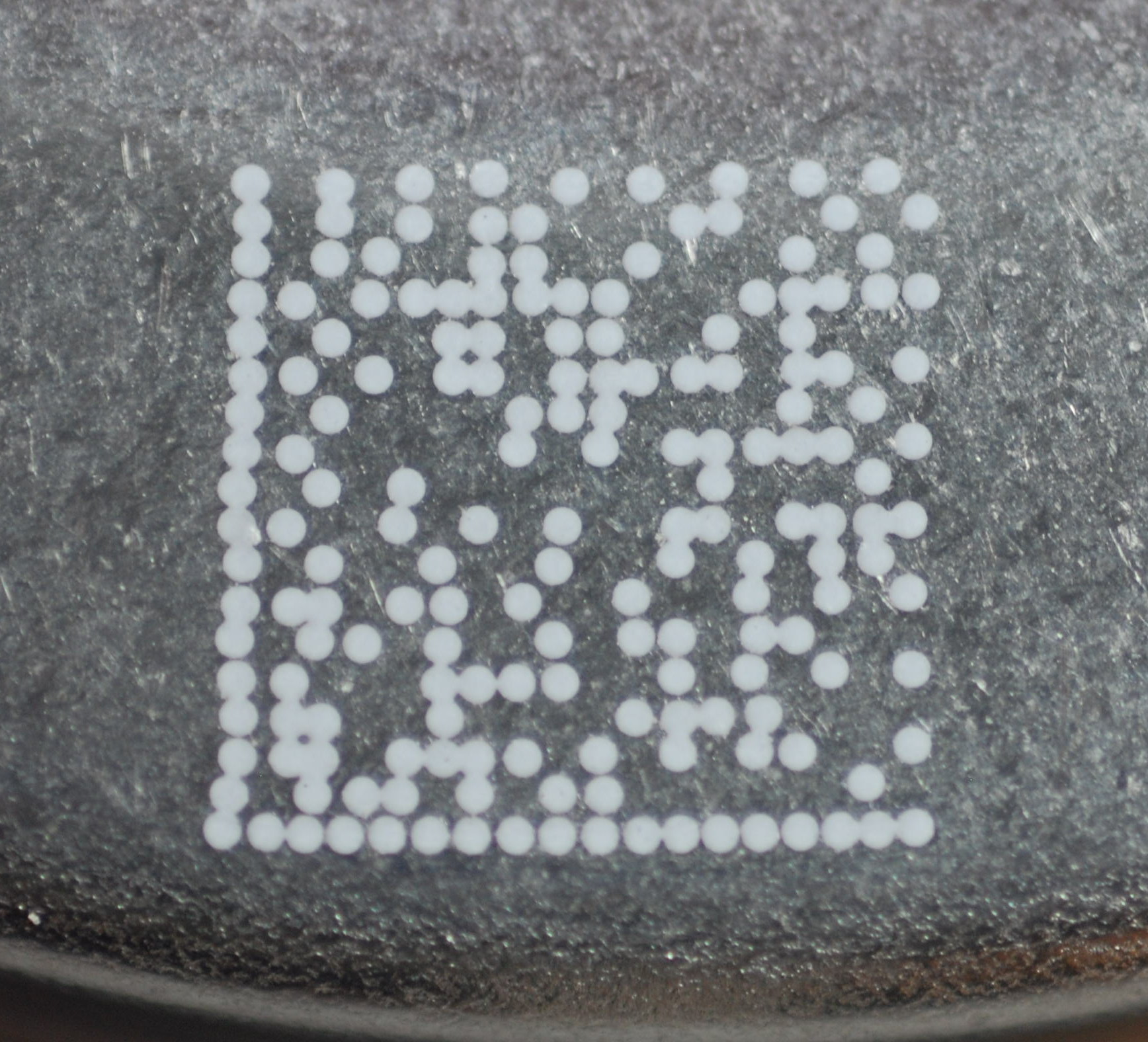
What does barcode quality actually mean? Is barcode quality limited to the printed image or does it include the structure of the encoded data? What if the printed image and data structure are accurate but the data encode the wrong item or no item at all?
Ten or fifteen years ago, poorly performing barcodes were an inconvenience at the checkout line. Today bad barcodes can destroy the integrity of a supply chain, jeopardize the security of the food and pharmaceutical safety system, and cause bedside drug dosing errors in hospitals and other health care facilities.
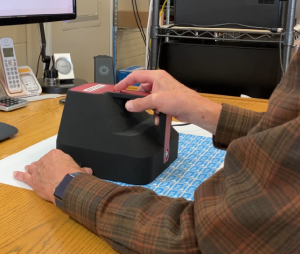
Barcode quality seems like a simple issue. Even today some people denigrate the use of a verifier in favor of using a scanner to “test” barcode quality—if they use anything at all. And there are devices sold as verifiers that cannot be certified to comply with the specification that qualifies them to test barcodes—and yet some people buy them to do just that.
Devices that only partially test barcode quality, or do not test them in accordance with international standards add to concerns about what barcode quality actually means.
These factors and others have contributed to ongoing problems with barcodes, and this is likely a factor in driving a change in how barcode quality will be defined in the future. Barcode quality is a more important issue as barcode technology has been adopted into more critical roles where mistakes could have dire consequences.
Newer barcodes have higher data storage capacity, allowing barcodes to perform mini-database functions not possible a few years ago. With this ability, barcodes can identify people—for example our personal information is encoded in a 2D barcode on the back of drivers’ licenses issued by most states. Barcodes will play a major role in the movement toward electronic medical records. The consequences of errors in these applications will be important and potentially ominous.
 The insurance industry is only now beginning to understand the ramifications of this; their awakening will be explosive and expensive as their clients are suddenly faced with massive liabilities and submit huge claims against their Errors and Omissions policies. For example see Barcode-Test Case History F.
The new definition of barcode quality will be risk as the most important characteristic of barcode quality. What is the magnitude of the risk when a barcode fails for whatever reason—poor print quality, poor data construction, incorrect data, packaging errors, etc? All of these (and more) contribute to barcode quality—each is necessary but none are sufficient to encompass all of barcode quality by themselves. They are all attributes in a larger system. When any one of them fails, there is risk. That is what will define barcode quality in the future.
The negative view is that redefining barcode quality as risk is all about blame. A more helpful view is to see risk assessment as a powerful new tool for exposing attitudes and processes that do not serve the pursuit of barcode quality. In truth the ISO standard for quality of the printed barcode image and the ISO compliance standard for the verifier have not been sufficient to identify and control the risk of barcode quality problems.
The movement toward a risk-based redefinition of quality is a growing conversation among thought leaders in the quality community. Risk is becoming a key issue in management systems and professions. The Harvard Business Review and others believe the future of management is (a) risk based problem solving and (b) risk based decision making.
Redefining quality as risk has profound positive ramifications for competitiveness. Risk based quality could make poor quality so expensive that it can no longer be tolerated.