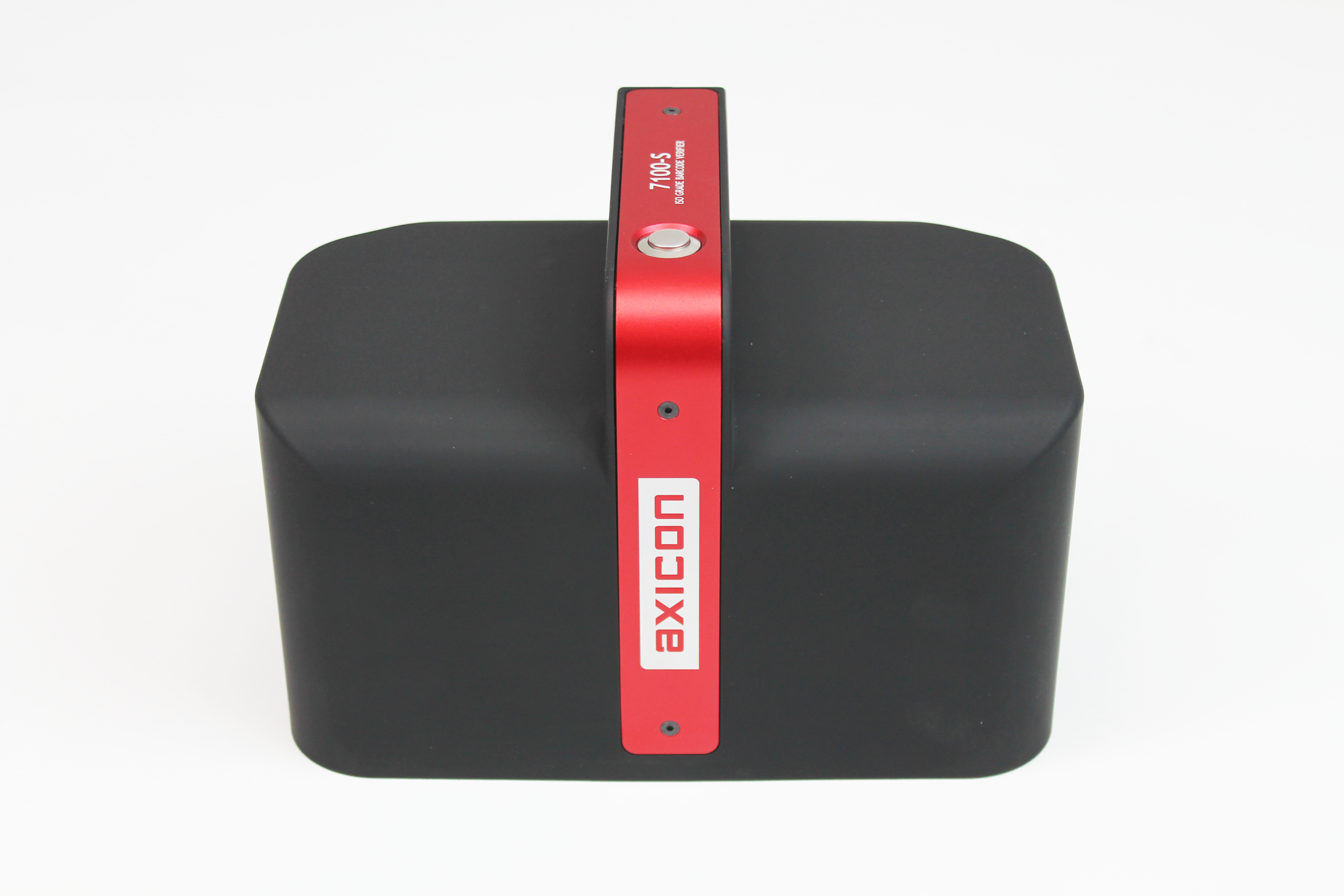
Best practices for any company involved in barcoding is to have a barcode quality policy. Who is a company “…involved in barcoding…? The short answer is any company with potential liability if a barcode does not perform as it should. That includes everybody who touches that barcode, from the graphics designer, the pre-press service, the package or label printer and ultimately the brand owner.
A barcode quality policy is the way a business with potential barcode liability manages that risk. It could be a simple statement, a comprehensive quality manual with a training program, or a connection with an independent barcode test lab such as Barcode-Test LLC to do all their testing or for periodic benchmarking of their internal barcode quality process. The most serious companies may have all of these components in place.
Surprisingly there are companies with none of these components in place; some of them have even purchased verification equipment, although many have not. Apparently the key factor is belief vs. reality about “potential barcode liability.” Some believe that “…because we have never had a barcode problem, we never will.” The reality is that processes are never stable. Products, whether they are automobiles or pharmaceuticals or printed images of barcodes, vary in terms of quality. That’s why there are tolerances in design and execution specifications. Companies that “…have never had a barcode problem” are simply unaware of those times when their processes were marginal or even out-of-control, but their output was found acceptable to the broader tolerances of their end users.

This is not something to count on or take comfort in—this is not “…never had a problem.” This is living on borrowed time.
Companies that live in reality rather than belief understand this and proactively expect variation and monitor their processes. This is not done just with instrumentation, although this is an essential tool. Buying a verifier does not end the conversation about barcode quality. Most ironic of all are those companies who have gone to the expense of purchasing a verifier but not followed through with a policy about when it should be used.
A barcode quality policy will do this and much more. The verifier must be matched to the task not just based on symbologies to be tested: it must have sufficient scan width or field of view, the correct apertures and the right industry applications to test the barcodes you handle. The verifier must be independently tested and certified to be ANSI/ISO compliant or the test results will not be guaranteed reliable.
This is just the beginning. Barcode quality policy must also specify when the verifier should be calibrated, and when in the company’s process the verifier is to be used. It should not be assumed that personnel know how to u se a verifier. Reputable manufacturers and resellers can provide training if necessary.
Companies who recognize the importance of quality best practices view them not only as good risk management, but also as providing the company a competitive advantage, not only in reducing
waste and protecting sales margins, but also in attracting and retaining loyal customers.