Back in the early days of barcodes, verification was limited to the printed barcode. It was (and is) an essential last step. Although keeping a bad barcode from the supply chain and final usage is always a good idea, by the time it’s printed, all of the human and machine time and material invested is spent.
Today there are other ways to verify a barcode, starting with the graphics file, before it is a fully realized image. Once printed, high speed scanners with partial verification capability can check for some of the critical attributes of barcode print quality. Barcode verification has different forms. Verification is no longer just a post-production tool. It’s important to know how these different verification tools differ and where they are relevant.
Prepress Verification
Some graphics management systems have integrated a type of verification that examines the barcode graphics file. This can check on essential pre-press attributes of the barcode. It is often done at the proofing stage. This verification step confirms barcode symbology type, the structural integrity of the start and stop patterns, data field prefixes and check digit. Some systems scan the proof image, and confirm quiet zones, truncation (or lack of it), and minimum X dimension.
The proof is not the final image, so the X dimension will show negative gain when bar width reduction is present, compensating for anticipated print gain. While this verification step is important, it’s also important to understand this limitation. A question we often hear is, “Why does the verification report from the pressroom differ from the pre-press verification report? Shouldn’t they be the same? Is something wrong with one of the verifiers? Which one can I trust?” Quite probably both—the reports will differ.
Inline Verification
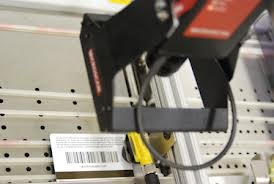
High speed inline verification is the latest verifier variation. Manufacturers claim that their verifiers are “standards based” which can be misleading. Although it suggests something more, it actually means that the verification does not include all of the ISO parameters.. Why? Because its impossible to do complete, compliant high-speed verification. This is not a fatal flaw, but it is something to be aware of.
It’s better than nothing but there could be holes in the process—some barcodes could pass in a high speed application that would not pass with a fully compliant, off-line verifier.
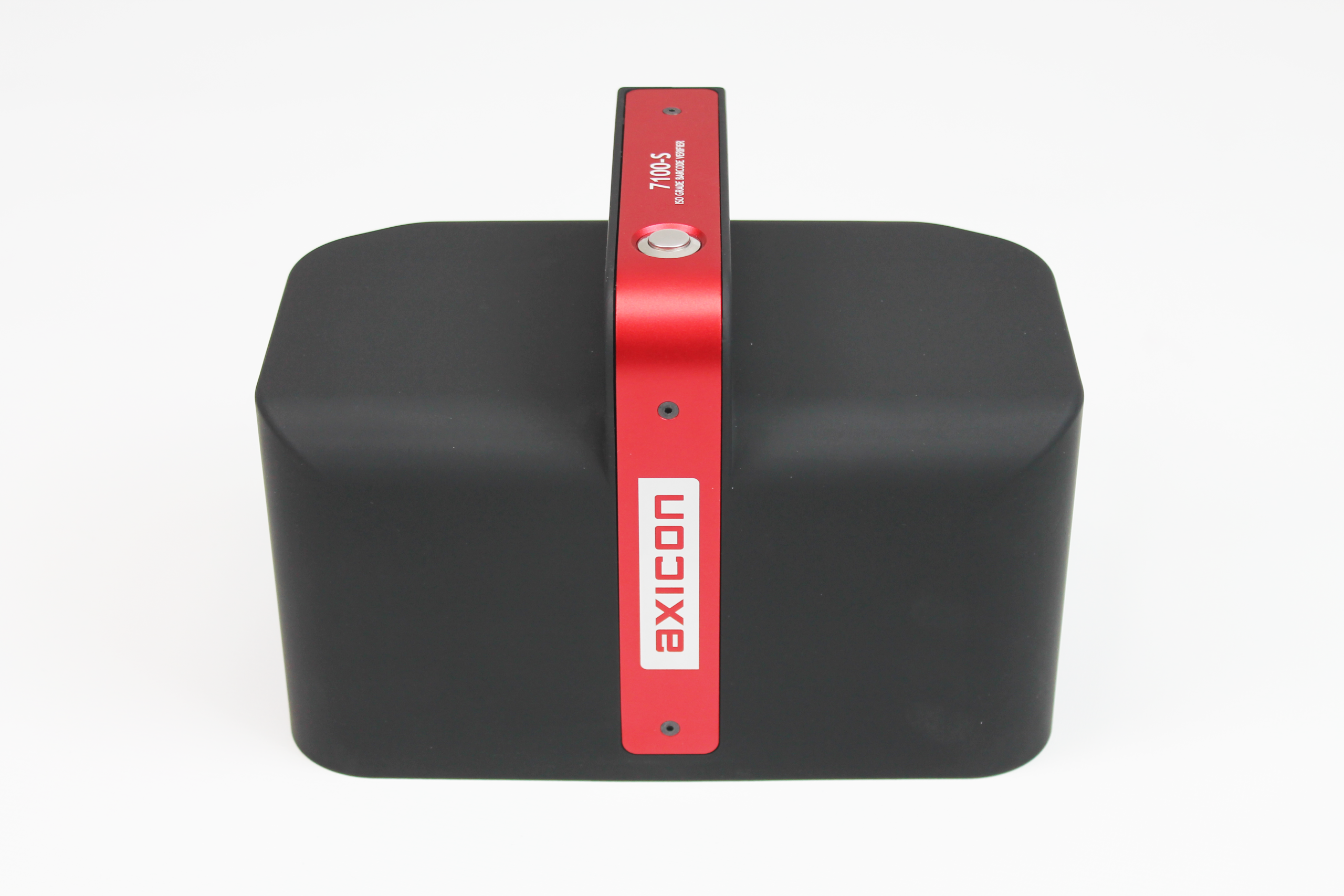
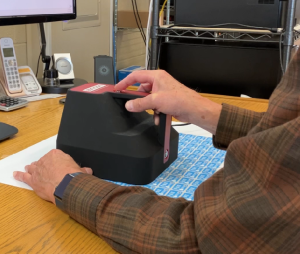
Then there is the gold standard: off-line or spot-check verification with a fully ISO compliant verifier. It also has some limitations. 100% verification of a long press run is impractical Spot checking periodically is a practical necessity. It need not be an either/or impasse. Offline spot-check verification enhances a high-speed inline verification system. Furthermore, the offline verifier can be used to calibrate the high-speed system.

The Gold Standard
A barcode testing service is another variation to consider. Like the other tools, it offers some advantages and some trade-offs. It is always best to send actual, final-form barcodes to the testing service. Shipments take time and have a cost. This can be avoided by attaching files to an email to the testing lab. This is similar to pre-press verification. The lab isn’t testing the client’s print quality. The files are printed on the lab printer. But some important attributes are tested: symbology, start/stop patterns, data field prefixes and check digits.
 At Barcode Test LLC, we test email-attached files as well as actual samples, Like all tools, it does a great job when used for the right task.
Contact us here.