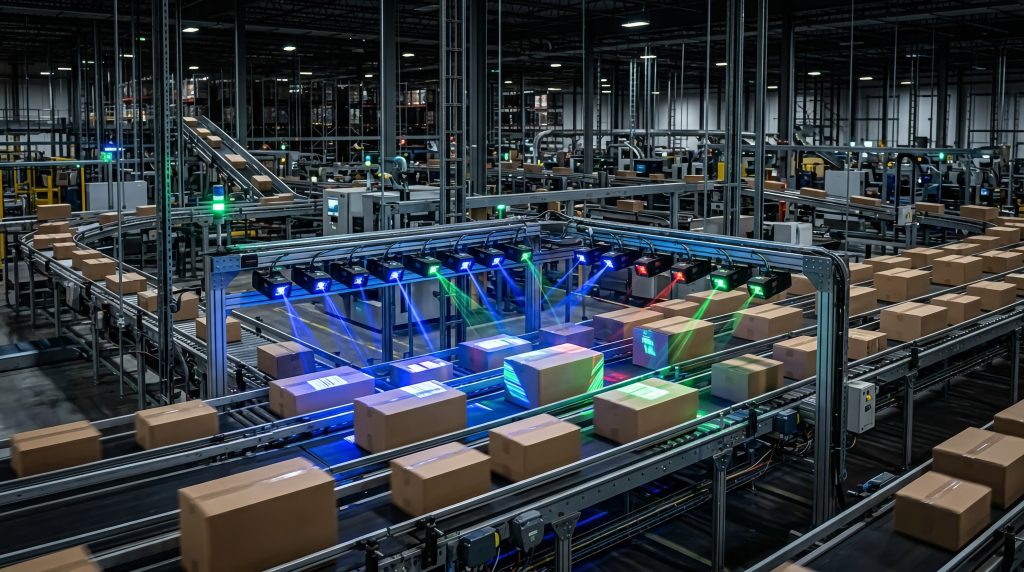
AI is stimulating a lively conversation in the quality community—as it should. In recent years, AI-enhanced barcode scanners arrived, promising to read any barcode, suggesting that verification is no longer necessary. Now, AI has infiltrated verification. Should I start looking for another career?
AI Quality Oxymoron?
One manufacturer claims their AI-enhanced high speed inline verifier does “standards-based” verification. What does that mean? It’s lawyer-language for “partial ISO compliance”. Lawyer-language makes me suspicious. AI-enhanced “verifiers” are not compliant to the full ISO standard. Missing parameters could be important. Partial ISO compliance is not a good thing in risk management. One bad barcode can literally kill people. It has happened.
AI-enhanced scanning makes some sense, while also raising some concerns. While it can make a poorly printed or damaged barcode readable, how much can you extrapolate from that? It does not ensure an accurate scan. That comforting “beep” just means it decoded something. It is accurate? Does it predict scanning success on other scanners? Will it protect you in a product liability, chargeback, wrongful injury or death litigation? Don’t count on it.
Readable vs Gradable
Readable is not gradable. AI didn’t invent enhanced scanning. People have done it for years and called it something else. A label printer is having a barcode moment; the manager whips out his smartphone and, voila’, the barcode reads. Problem solved. You’d better hope…
Maybe the barcode is good, maybe not. Scanning success even with a scanner doesn’t tell you much. It could be an A-grade, it could be a C grade. How close to a D? You just don’t know. That problem is worse with AI. It reads and repairs what it should reject.
AI isn’t only electronically manipulating the captured barcode image. It is also compensating for lighting, angle, color, defects and the dimensional accuracy of element widths and placement. Each of these attributes is an ISO parameter in compliant barcode verification. Verification based on the complete ISO standard uses calibrated equipment. Camera-based AI usually doesn’t–or cherry picks the attributes it can check and ignores the rest. That leaves you wondering if the end user’s scanner will be just as accepting. Hope is not a strategy.
Hope is not a Strategy
Standards are a consistent, globally-accepted, predictable metric. AI famously reads barcodes that shouldn’t read–call it false optimism. AI can also commit false pessimism, failing to read perfectly good barcodes due to extraneous ambient light which the ISO standard prohibits. Where are those promised savings? A standard is a clear threshold, a line in the sand defining what passes and what fails. AI delivers what it’s trained on. Where and how it is trained and used varies from location to location.
These concerns only pertain to the barcode image. The data in the barcode is a different matter. A successful decode does not mean the data is right. An incorrect GS1 prefix, a bad check digit, an expired use-date—these and more can be seriously problematic for AI, but no problem for an ISO compliance verifier.
Use the Right Tool
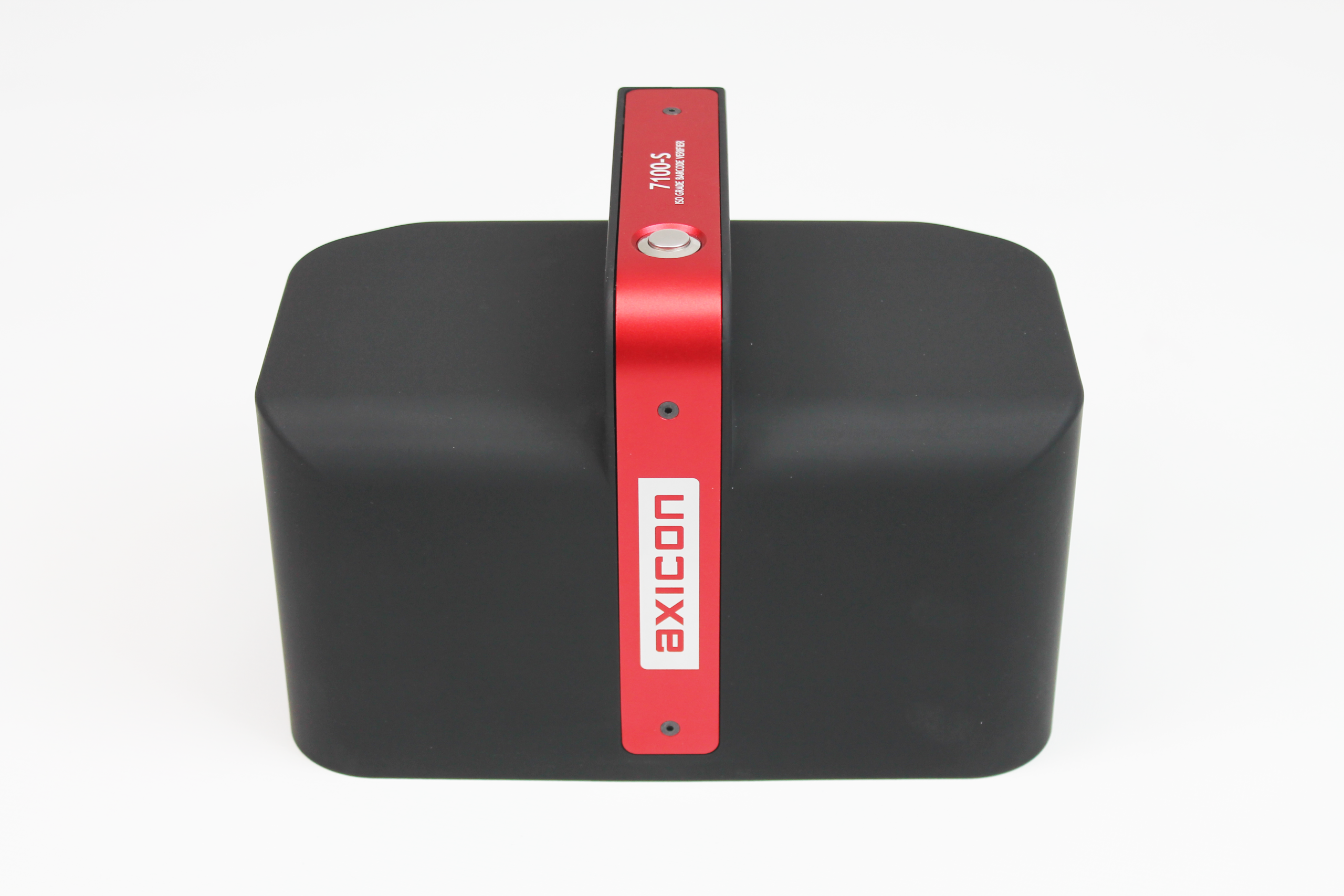
What’s the best solution? Use the right tool for the job. AI readers have their place. Use them for what they do best: fast reading and checking for obvious failures.
Optimizing how an AI system is trained makes that tool more honest and reliable. What is the best way to do that? Use the output data from a fully ISO compliant verifier to instruct the AI scanner for what it should accept or fail.
Contact us here.