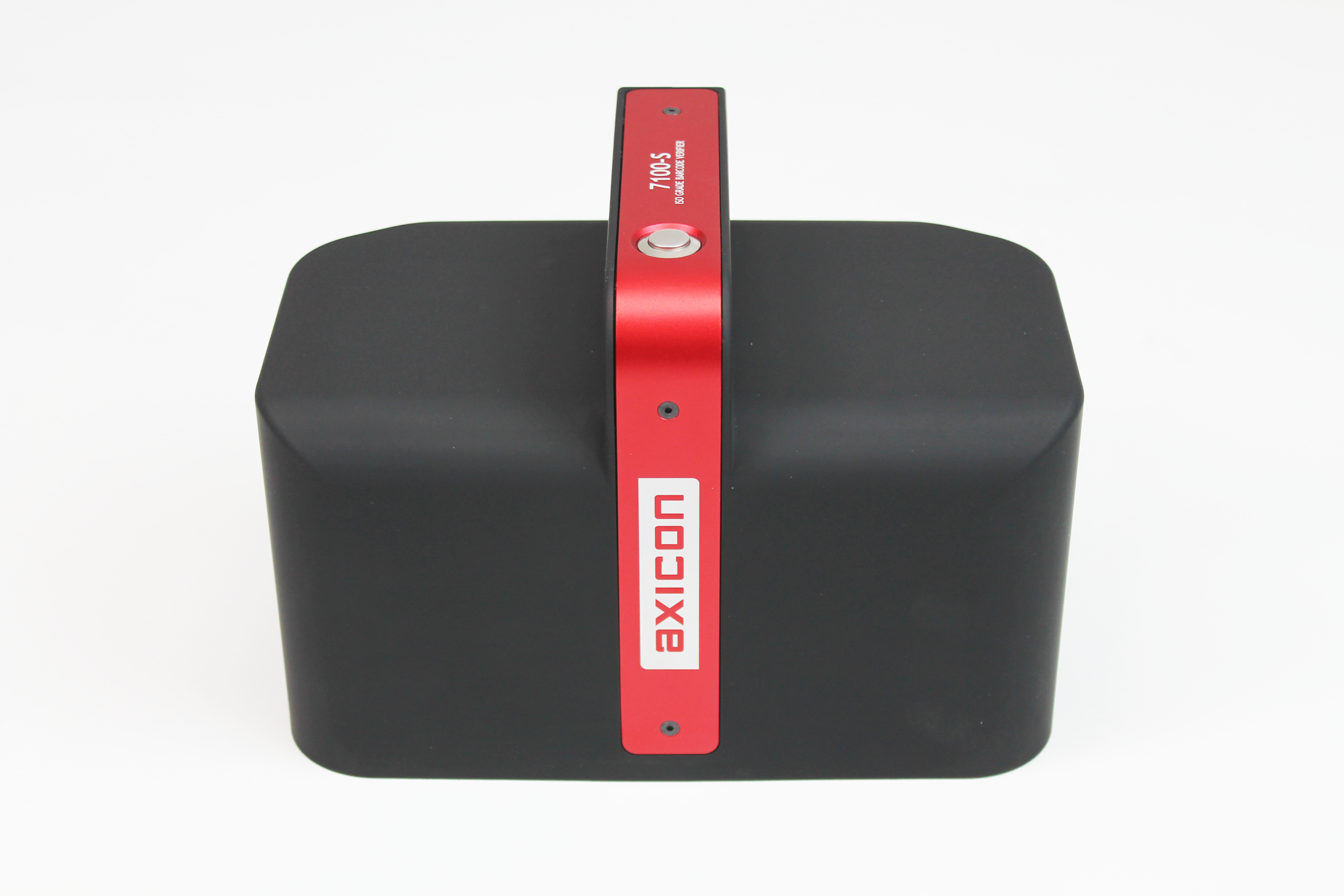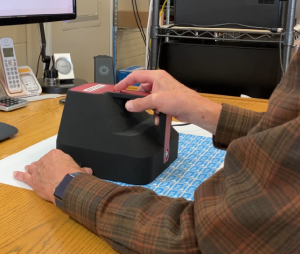
On the surface, it seems like two different approaches to doing the same thing: using your own verifier and testing barcodes yourself, or using a barcode testing service. Either way, you get a verification report, and they are probably very similar.
 Where is the Difference?
Differences in the verification data, usually a percentage point or two on any given parameter, are insignificant. A significant difference can be much more subtle. What happens to the verifier-generated data? I’m not referring to how or where it is saved; that’s important too. But how is it handled? Here are some considerations:
- The verification report is reviewed
- The report is linked to a particular symbol
- The test sample is retained with the report
- The report is archived with other project data
So far, so good—But these are just the basics. Even if the final symbol grade is ISO 4.0 (ANSI A) and passes application validation tests, the report’s potential value is limited. And, ironically, if the ISO grades and/or application validation are less than perfect, the potential report value increases substantially.
Nothing to Say?
We’re not talking about finances here; we’re talking about the intelligence that’s embedded in the data represented in these reports and making it available where it’s needed. When the grades are all good, there isn’t a lot to discuss—but there isn’t nothing. This is where organizations, and often the quality people themselves, miss an important opportunity. That barcode is the product of upstream processes and people. All of them need to know the results. When the results are perfect, it’s a very brief but important conversation. That conversation strengthens processes, creates commitment and builds trust between people.

Water and Soup
Often, people say quality works best with upper management support. That’s true, but it’s incomplete and limited. Management support is like the water in a good soup. It’s necessary but insufficient. More is needed to make it work.
Acceptable but less-than-perfect report grades illustrate this point more clearly. When quality reports a lower grade, upstream people and processes need to know. This is especially useful if the grade has deteriorated during printing. Without a collaborative process environment, a solitary quality person is the unwelcome messenger. They become identified with the problem.
Connecting the Dots
Handle data from DIY barcode verification or a third-party service the same way. Huddle the team, discuss the results, and collaborate on the path forward. You can do it in a few minutes. Everybody owns the data—and the end result. It may seem inefficient, but in the long run it is a stronger, more flexible approach. The team adjusts when somebody is out sick or on vacation. Nobody’s a hero or a bad guy. The results belong to everyone.
 Questions or comments? Contact us here.