Most people assume that a barcode that scans at the dock is a barcode that passes compliance. This is a wrong and potentially very costly assumption. From a quality and compliance standpoint, a scanner that decodes a barcode only tells you that the barcode could decode by that scanner under those conditions. On the other hand, an ISO compliant barcode verifier measures the barcode the way that a worse-case scanner in the supply chain would.
Here is another way of expressing this, and we’ll use a linear barcode as an example–let’s say a big GTIN14 on a corrugated carton. And that barcode is so badly printed, there is only one small sweep through the barcode where it will decode. Every scan above and below that thin line will fail.
Although it might take several tries, a scanner will find that one place where it can decode the barcode. That’s what a scanner does. Conversely, a verifier will take the ISO-required ten scans across the barcode, and 9 of them will fail. It will probably find the one area where the barcode passes well enough to decode, but the symbol will get a failing final grade.
This is the difference between decode-only evaluation and graded ISO standards-based verification. A scanner is only looking for a decode. A verifier is looking for problems. This is not pessimism—it’s reality. Other scanners will not perform like yours, and their scanning environment may differ from yours.
Remember the disastrous bridge collapse in Minnesota? That’s another analogy. Visual inspections of that bridge failed to detect a problem. A structural engineering load analysis would have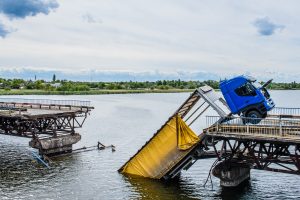 found a problem and prevented the disaster. Inconvenient? Yes. A good idea? Absolutely.
Although it isn’t an exaggeration to say that a bad barcode can cause death, like a bridge collapse, it has happened. More frequently, bad barcodes cause expensive but non-fatal damage to supply chain operations, leading to delays, anxiety, sleepless nights, disappointment, and mistrust between trading partners. The damage is usually, but not always, recoverable.
Although every company with potential barcode risk should buy a verifier, a viable and less expensive alternative is to use a barcode testing service. You get substantial barcode expertise and a verification report for a fraction of the cost of a verifier. And we know of one that responds very quickly.
 Contact us here.