 Another emerging technology is infiltrating barcodes. This has become a familiar pattern, and with merit. Several years ago, RFID was predicted to replace barcodes, and it did replace barcodes in some applications, but replacing barcodes altogether? Nope. RFID-enhanced barcodes do what barcodes alone cannot.
Barcodes are a line-of-sight technology. Using barcodes to take inventory of a room full of items, you need to walk over and scan each item. It could take hours and you might miss a few of them.
RFID captures reflected radio frequency signals that travel through most materials. Line of sight is not required. If those items are marked with an RFID tag, taking inventory of a room full of items takes a fraction of a second. But you might miss some of them if the RF signal is obstructed behind metal or liquid. Both technologies have limitations.
RFID did not replace barcodes. Barcodes and RFID work better together.
AI Enhances Barcodes
What impact, if any, will AI have on barcodes? We wrote about that recently. Like RFID, AI enhanced barcodes by making it easier for scanners to read bad barcodes. So, AI won’t replace barcodes but it will make verifiers unnecessary? Nope again, and here’s why.
Like all technology, AI-enhanced scanning has limitations. AI blurs the line between a poorly printed or badly damaged barcode that can and cannot be accurately decoded. The adjective “accurately is important. Even before AI got involved, some barcodes were incorrectly decoded by scanners. Sometimes it was caused by subtle printing inaccuracies; sometimes by other factors. It was infrequent but not unknown problem. AI has moved the needle, making some otherwise unscannable barcodes scannable. But where is the line? Not a single scanner manufacturer will tell you. But here is the rub: what damage could a mis-decoding barcode do, even if it is a rare occurrence?
How much Does AI Enhance Barcodes?
Only you can answer that question, and it depends on your industry and supply chain. But here is the bottom line. AI-enhanced scanners can make mistakes and mis-decode a barcode that should fail. Yes, should fail. Failure to scan would be better than scanning incorrectly. Think about that for a moment.

Mis-decoding barcodes in a grocery store messes up frontline data and inventory replenishment: a lime yogurt incorrectly scans as vanilla. Serious but not disastrous. What is the barcode is on a medical device, a drug or a jet engine fan blade? It could be much more serious.
AI will not render barcode verification obsolete. If anything, it will make it even more important. AI could make non-scanning barcodes rarer, but it could make those rare occurrences more expensive. Here’s how.
AI Makes Verification More Important
 An AI-enhanced scanner only does one thing: it either beeps or it doesn’t. It beeps when it decodes, correctly or incorrectly. It doesn’t tell you how much or how little AI was involved, and it doesn’t know when it has crossed the line and incorrectly decoded the barcode.
Whether or not to verify your barcodes is simple economics. How much damage would a bad barcode cause? Don’t forget, damage is not just financial. Take the entire event into consideration: the cost of relabeling, the cost of supply chain disruption, the cost of customer dissatisfaction, the cost of potential lost future business.
Simple Economics
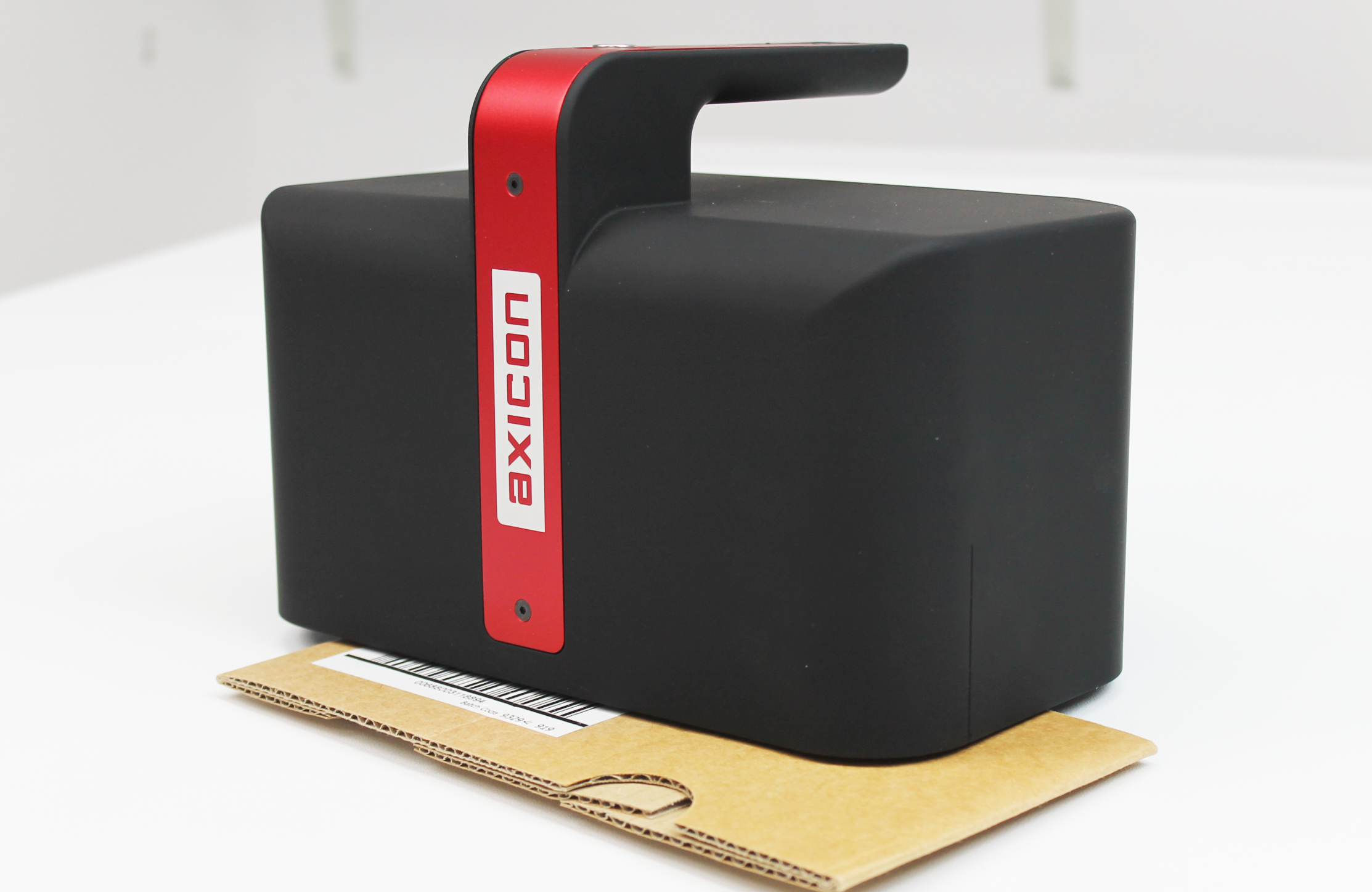
Consider the cost of a barcode verifier? On the high side, maybe $15,000 for an offline device. Double that for an entry-level inline solution. Compare the cost of the potential liabilities to the verifier cost. Simple math.
Using a barcode test lab eliminates the verifier acquisition cost, dedicated personnel, training, periodic recalibration and eventual replacement of the verifier.
 Schedule a free 30-minute consultation here.