Prevention comes from correction, to prevent the recurrence of everything you corrected. In reality, it’s more effective to consider the process variables and control them. Charting materials and settings is worthwhile. Regular cleaning, lubrication, and other routine maintenance are also important. Major equipment repairs can change results. Tracking these events over time helps identify what changed and when, and how to adjust.
Solutions Can Be Problems
Barcodes are images that are designed with software. Some brand owners insist on retaining control over the design software, and that can be a solution and a problem. Best practices dictate the

software be optimized to the print process, particularly for print gain. A brand owner unaware of this important configuration setting is not controlling this variable—quite the opposite.
The printer has variables too, whether a sophisticated flexographic, offset or digital press, or a humble thermal transfer printer. These include upstream supplies such as print stock and inks. Changing suppliers adds variability to results. Predictable results come from stable processes and procedures. Even then, the most you can expect is reduction of variability—but not its elimination.

Monitor and Prevent
Monitoring supports prevention. Most variables are never eliminated. Monitoring tracks minor changes in a process, and provides insight into how much and how rapidly changes are occurring.
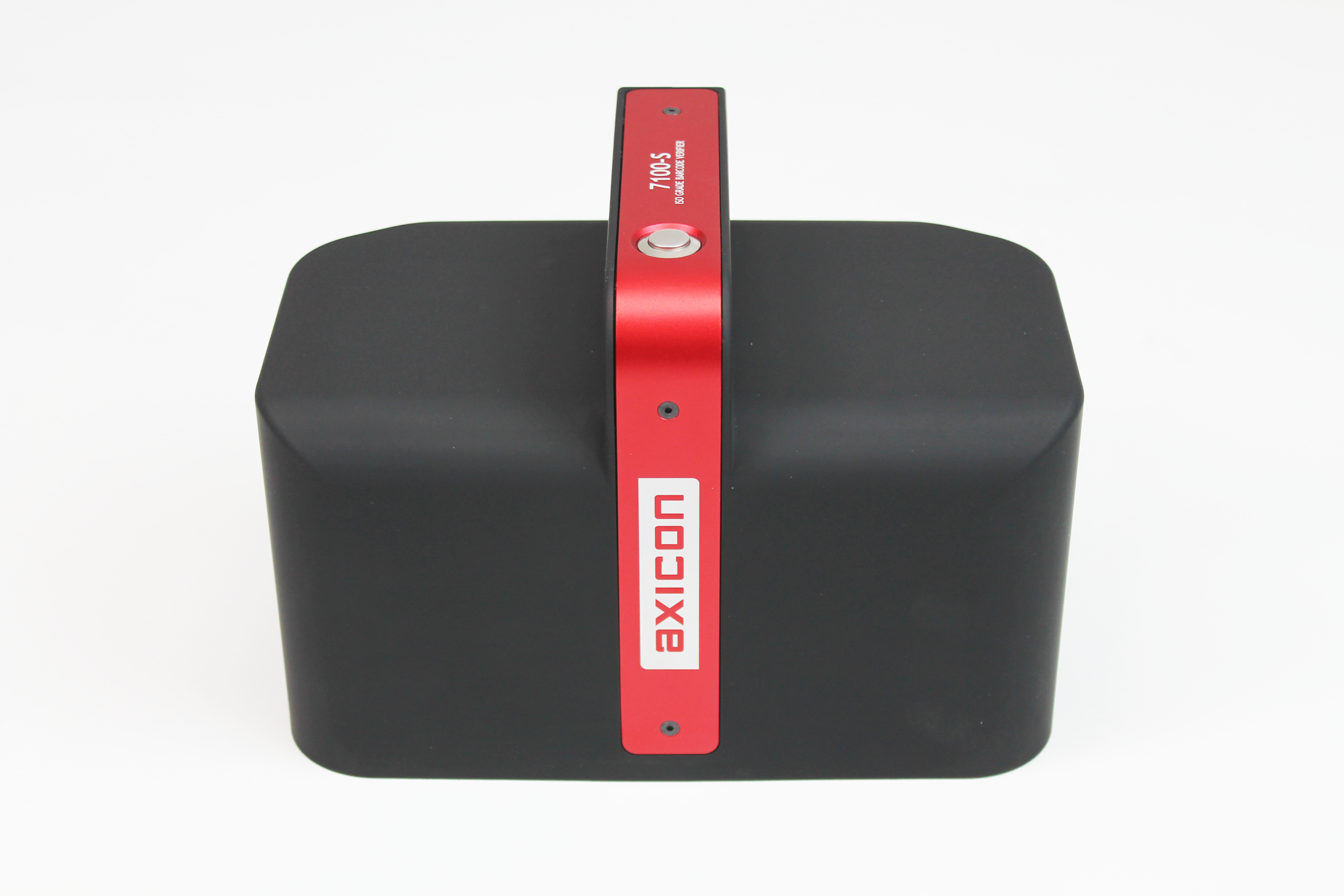
Barcode print quality is tracked using attributes in a standard. Each attribute measures and grades a particular aspect of the barcode. A barcode verifier does the measuring and grading. Why a standard? Because there are many different types of scanners. A standard is the only way to predict how a barcode will scan when using a laser, wand, CCD or digital imager scanner anywhere in the world.
Standards Predict Performance
 The barcode print quality standard is an effective way to identify why a barcode fails. What is the offending attribute? Controlling that attribute prevents a recurrence. Tracking the performance of each attribute with a verifier establishes a benchmark and a trajectory if an attribute or attributes change as a press run proceeds. The rate of change over time predicts when the barcode will fail; prevent a failure by making adjustments to control it.
Non-ISO Failures
Well-printed barcodes can fail due to other causes:
- Lamination
Matte-surface laminates blur images, making critical sharp edges soft and indistinct.
- Placement on label
Barcode and other images can migrate during printing. If the barcode is close to an edge, a quiet zone can be violated, rendering the barcode unscannable.
- Placement of label on package
Locating a label too close to, or even around a package edge can cause the barcode to fail.
- Abrasion
Damage to a barcode image can make it unscannable.
- High temperature
Thermal labels remain sensitive to heat even after they are printed. High heat can cause the barcode image to fade until it is undetectable.
Anticipate Problems to Prevent Them
Print quality is one of the most important aspects of barcode quality, and a verifier is the best tool for measuring and grading it. Improper placement, handling and storage can damage an otherwise valid barcode. Variables at each step of package handling must be monitored, understood and controlled to prevent the recurrence of past problems.

Comments are welcome. Contact us here.
Schedule a free 15 minute consultation here.