Why verify a barcode? What could possibly go wrong?
Here is an incomplete, constantly evolving answer. Verification is all about barcode quality—so let’s start by defining of what “barcode quality” means.
Anything that causes a barcode failure is the subject of barcode quality. The main two issues are:
- Print quality—is the barcode legible to a scanner—any scanner of any type, age, or condition, operated in any conceivable environment. Can the barcode be decoded by an old laser scanner, a wand scanner, a CCD device or a digital camera device?
- Data structure—is the encoded information correctly prefixed and parsed, compliant to a specific (and correct) industry format? Compliance is not the same as quality!
These are the “big two” but there are other ways a barcode could fail.
- The preprint software may have “verified” the barcode file, but if it is printed over a patterned background if till probably fail to scan.
- If the barcode is printed too close to a label edge, graphic or text, the quiet zone may be violated. An otherwise perfectly printed and structured barcode will fail to scan.

- Post-production operations such as shrink wrap or lamination can kill an otherwise scannable barcode. Shrink wrap imposes random surface reflectivity. Laminates softens the sharp edges of barcode lines or dots. Scanners struggle to detect the critical reflectance values.
- Some barcodes live in hostile environments: freezers, ovens, damp to downright wet, airborne particulate, oil vapor. More about this later.*
- Changes in the print process. Virtually very printing process, from thermal to high speed inkjet, involves consumables and settings. Carefully documented printer settings mysteriously no longer produce high quality barcodes because the buyer decided to change ribbon and label suppliers. Without a verifier, the problem is first detected by your customer. The damage is done.
- The customer supplies the barcode file, believing that it eliminates a layer of error opportunity. In fact, it removes from the printer the opportunity to optimize critical settings such as bar width compensation from the design file. Good intentions but wrong-headed.
-

Replace 1D barcodes with 2D
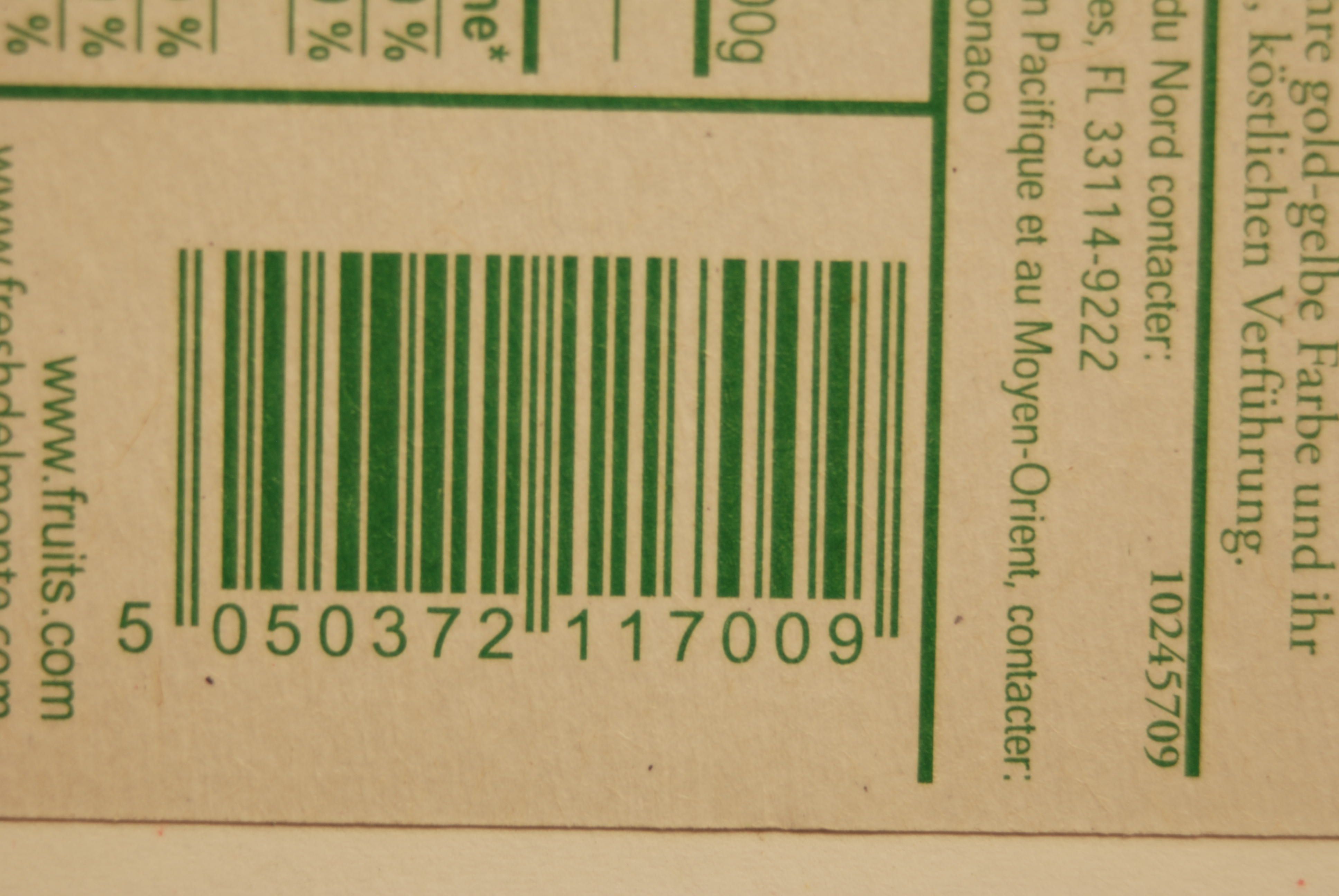
One solution may be to replace old linear barcodes with more modern matrix symbols. The decision of what barcode type to use is seldom a solitary decision. Check with trading partners first! The barcode could fail, not because of printing or format errors but simply because it is incompatible with your customer’s systems.
Matrix (AKA 2D) barcodes are more tolerant of barcode inaccuracies than linear (parallel lines and spaces) barcodes, but not immune. Barcodes are a visual technology (well not quite—there are invisible, UV-based barcodes, but reflectivity, and more-precisely, reflective differences are still essential).
A Departing Thought…
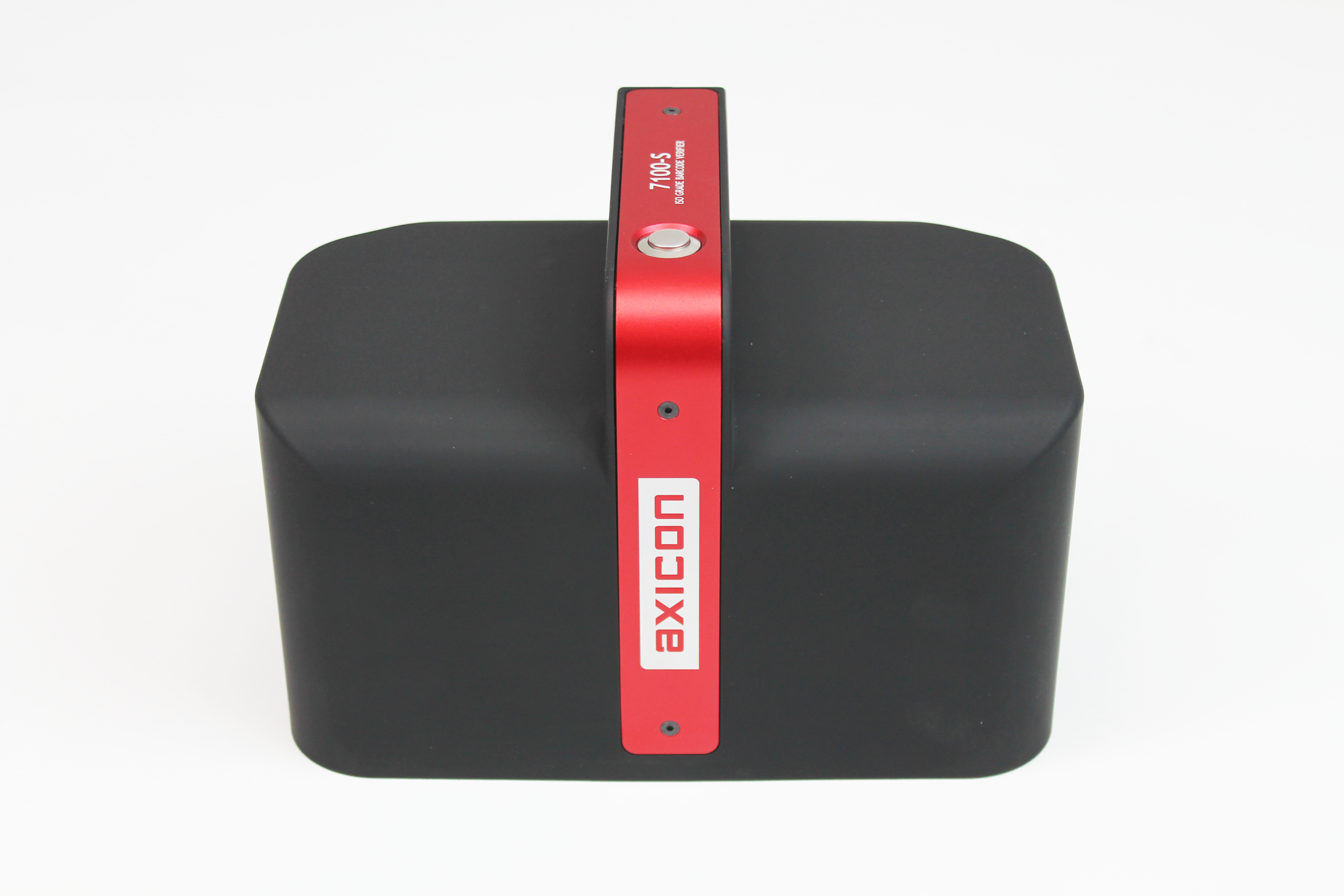
One final word about verifying. You can only verify with a verifier. A smartphone or scanner does not verify. Somebody else’s smartphone or scanner may not be able to scan the barcode your smartphone can. Verifying is a standards-based way to predict that the barcode will work anywhere.
 Questions or comments are welcome. Contact us here.
*Difficult environments do not only affect barcodes. Scanners are optical devices. Moisture, particulate and vapors can coat and degrade the performance of scanner lenses, mirrors and sensors. When a scanner cannot decode a barcode, the problem may not be the barcode. How can you tell the difference? Verify the barcode!