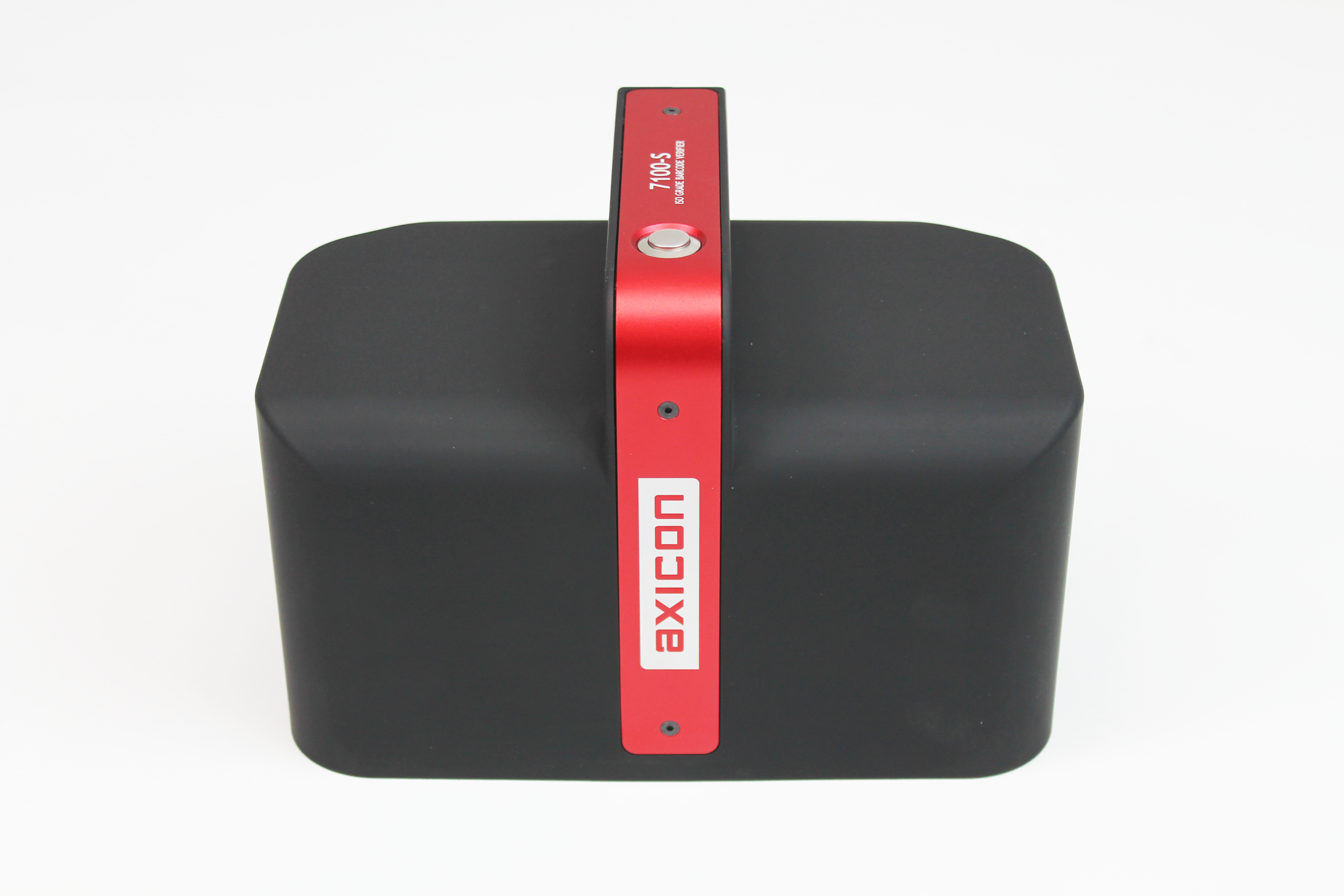
Coupon coding is complicated. GS1 Databar Coupon Code does not simplify that—but it solves many issues with coupon offers and the stores that honor them. Coupons are, by their nature, complex. GS1 Databar Coupon Codes handle just about any offer with its many stipulations and conditions. Best of all, the barcode does it all: store personnel just need to scan it. The register and the database behind it do the rest.
Coupons and the barcodes on them have evolved. A lot. In the early days, coupon barcodes were an addendum to the UPC symbol on the product. Coupons bring a lot of important data to the brands a store sells. Even more data was desired. It quickly became apparent that the coupon needed to do much more than just offer the customer a simple discount. The barcode needed to do more.

Databar Solves Problems
The problem was data capacity. The more complicated the coupon offer, the more data the coupon barcode needed to include. But in the early days, the problem was more basic. Every company that applied for a UPC symbol was assigned the 6 digits on the left half of the symbol. Everybody from a Mom and Pop operation selling canned tomatoes to Proctor and Gamble selling hundreds of disparate items had the same range of coupon possibilities. All coupon codes included a UPC symbol with a prefix 5, and six digits with which to define the offer. That left room for a very few, simple coupon offers.
GS1-128 UPC addendum Code was an interim solution. It was that same 5-prefix UPC symbol with a trailing Code 128. It provided space for more offer arrangements but the barcode was very long. Considering where coupons are traditionally posted—magazines, newspaper ads and direct mail fliers—it was an interim solution at best. A 2D matrix code like QR could replace the addendum or even both barcodes. A great solution, but retailers understandably balked at the substantial cost and disruption of replacing all their scanners to read the 2D symbol.
Databar Handles Complex Coupon Offers

Plan B: Databar, a compact but high capacity 1D barcode that almost all scanning systems can read. It could replace both the UPC and addendum code but take up much less space by being stacked in rows. GS1, the standards organization for retail and supply chain systems, created a prefix for coupons in North America. Using this prefix, the UPC symbol identifying the purchased item is embedded in the coupon barcode along with the offer and conditions. This single barcode does it all.
GS1 Databar Coupon Code not only manages the offer, it tracks the conditions automatically. The offer can mix different brands: buy Product A and get 50% off on Product B. Offers can be very complicated: buy 1 and get 2; buy 1 and get 2 more at half price, etc. Databar Coupons can also define a start date and an end date.
This flexibility brings complexity and error opportunities in coupon design and printing. Not all printers are ready to take that on, but there is a simple solution for that too. Use a high quality barcode file source to create the coupon digital file. Symbology, Inc. in Minnesota is one of the best.
 Questions and comments are always welcome. Contact us here.