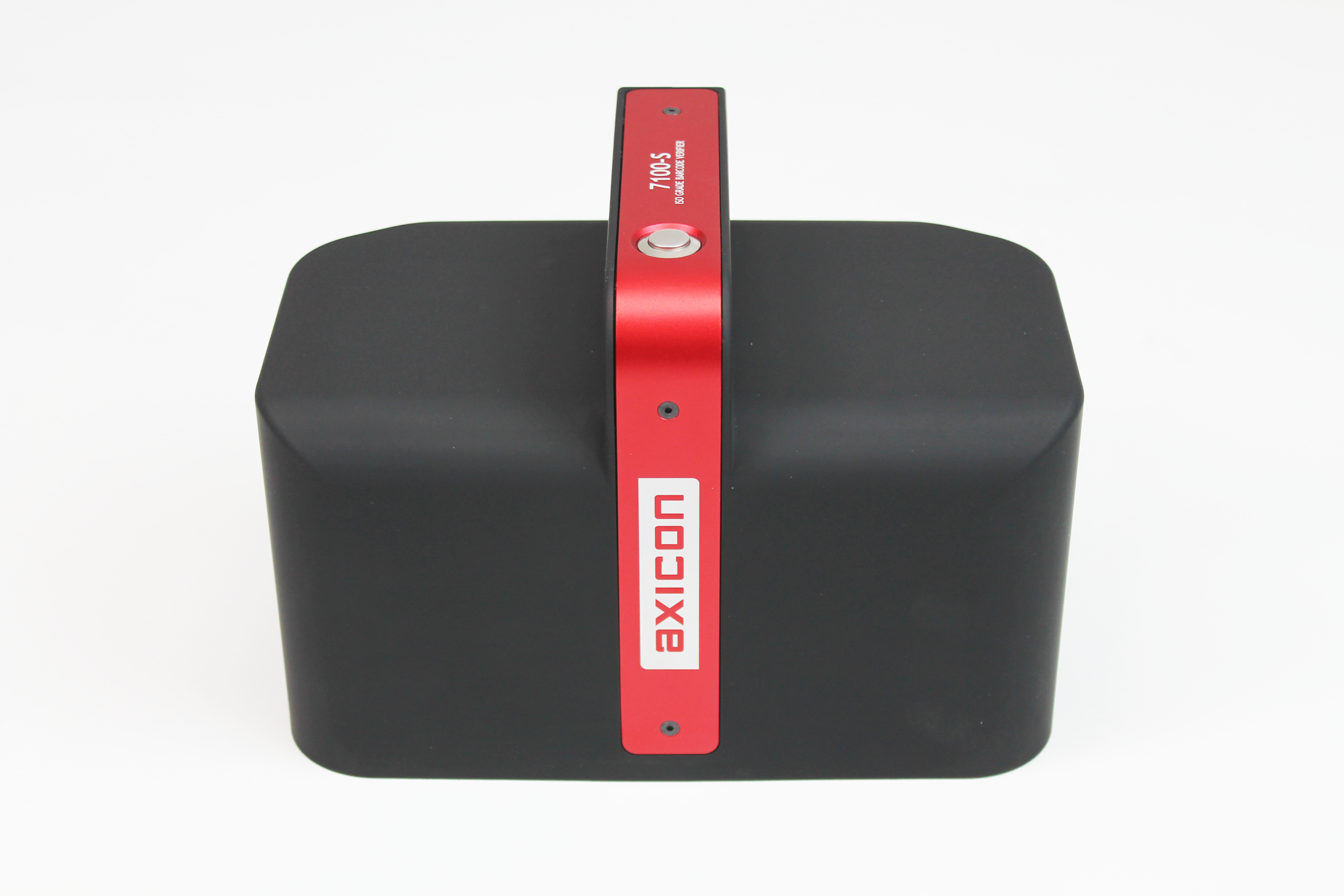
Using the verification report to resolve print quality and other problems is a straightforward process. Many of the ISO15415 parameters for 2D symbols will be familiar to someone who has worked with linear barcodes. Barcode quality is a matter of compliance. There are two compliance factors:
- Print quality is the ISO 15415 standard
- Data structure is the industry application
A perfectly printed symbol but with data format errors will fail. Likewise a poorly printed symbol but with perfectly parsed data will fail. What does this failure mean? It means the data is not readable in the barcode.
As with 1D barcodes, the data encoded in 2D symbols scans and decodes because of the reflectance difference between the symbol and its background. The ISO parameter Symbol Contrast measures and reports this. There must be only two reflectance values with the symbol: the light or RMax reflectance value, and the dark or Rmin reflectance value.

Symbol Contrast
Symbol Contrast grades from 4.0 (or A) to 0.0 9 (or F). To correct for a low Symbol Contrast grade, the Rmin value should be darker and the Rmax value should be lighter.
As a general rule, the printed symbol is the Rmin value; the background is the Rmax value. Each of these reflectance values should be uniform: the Rmin value should be uniformly dark, the
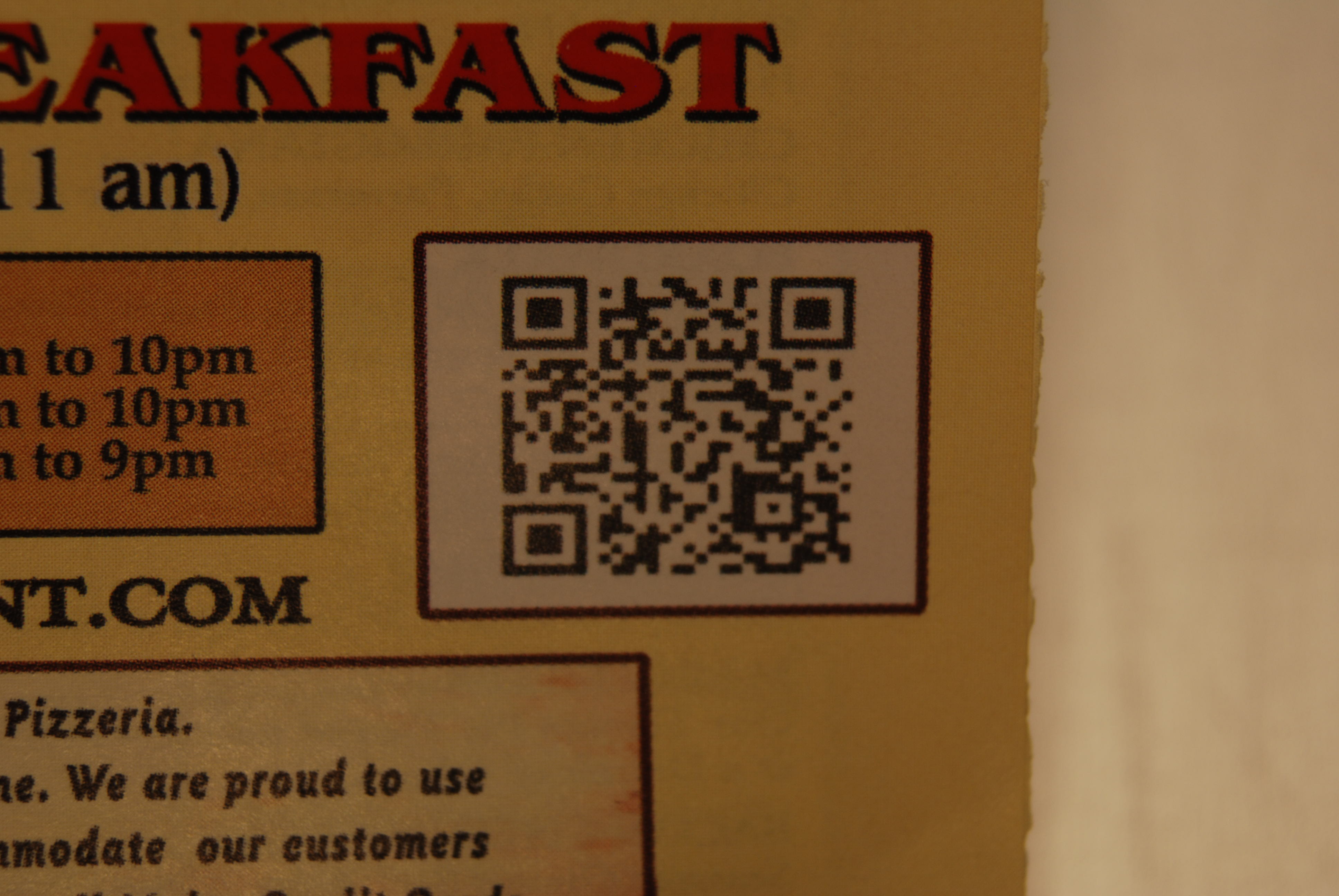
RMax value uniformly light. The uniformity it measured and graded in the parameter Modulation.
Modulation
This parameter grades from 4.0 (A) to 0.0 (F). Downgraded Modulation indicates variability in either or both of the reflectance values. Look for and eliminate patterns in the background or in the symbol image.
Axial Nonuniformity
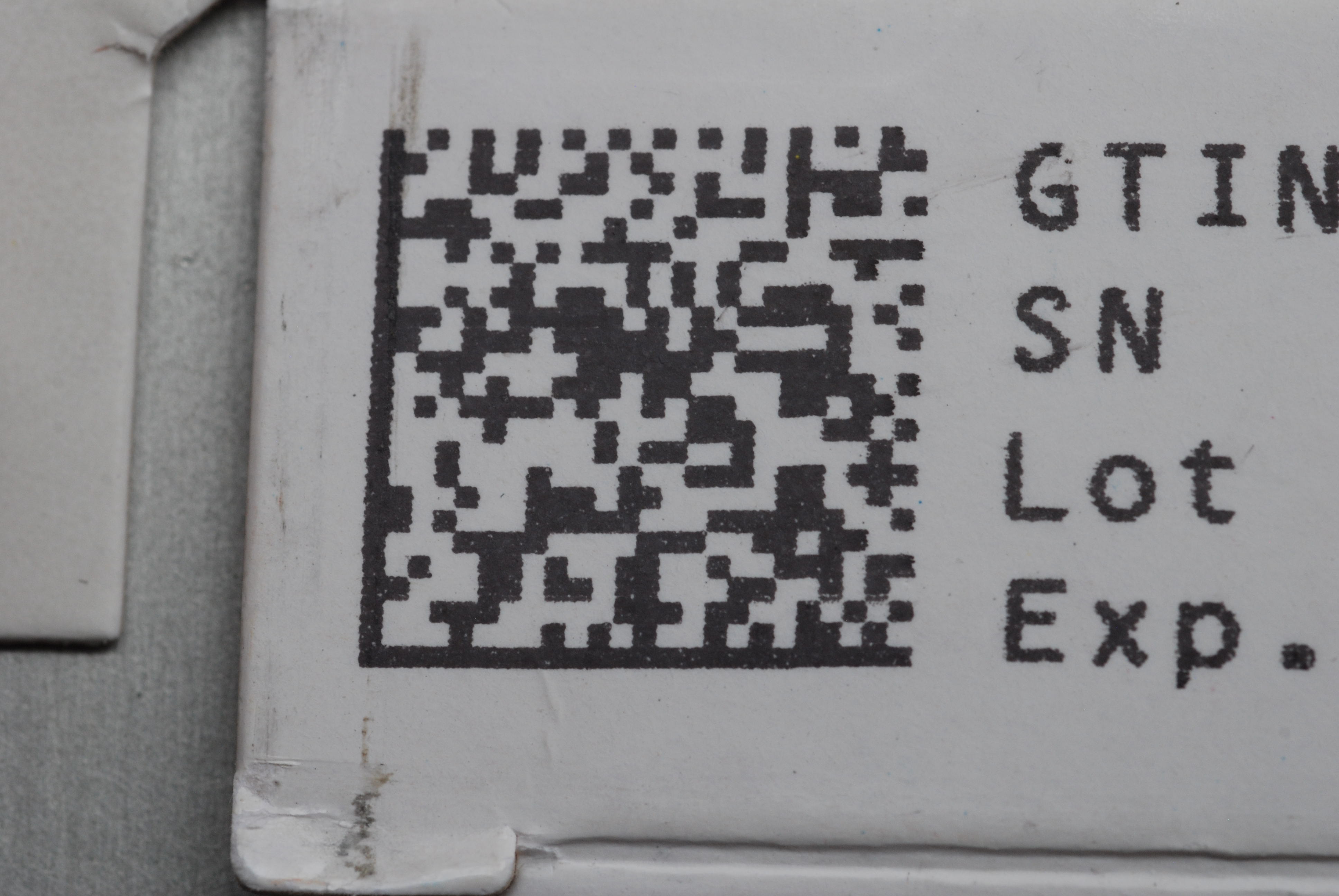
Unlike 1D barcodes, 2D symbols can be distorted in both height and width. Visually, the dots or squares in the symbol will become rectangular rather than their normal square shape. This is called axial non-uniformity, and grades from 4.0 (A) to 0.0 (F). The solution for downgraded Axial Nonuniformity or ANU is to slow down the printer speed, but there could also be other process causes.
Grid Nonuniformity
The pattern of squares in a 2D symbol should be uniformly located on a grid. Deviations from the grid ar4 called Grid Nonuniformity of GNU. Visually this can make the symbol look like a parallelogram or trapezoid. Stretched or distorted substrate causes grid nonuniformity. There could be other causes in the process.
Fixed Pattern Damage
In addition to the encoded data, all 2D symbols have common features called Fixed Patterns. These help the scanner align itself to the symbol so it knows when the encoded data starts and stops. Fixed patterns also help the scanner calibrate itself to the Rmin and Rmax values. The surrounding quiet zone required on most 2D symbols is part of the graded Fixed Pattern Damage or FPD parameter. Thus, the fixed patterns are very important, and when they are damaged, the symbol will fail.
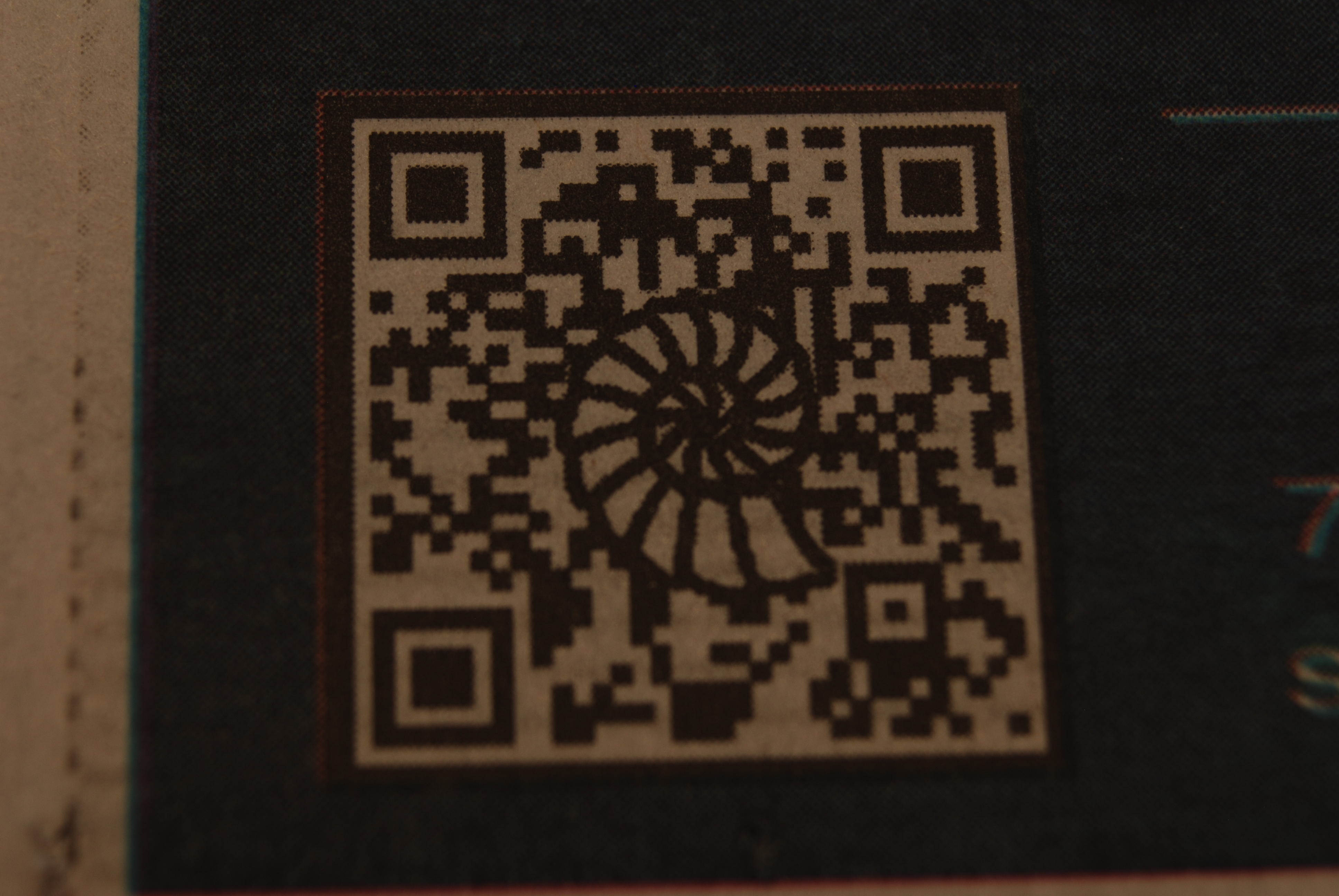
Unlike 1D barcodes, which can have error detection capability through use of check digits, 2D symbols are capable of error correction using mathematical formulas such as the Reed Solomon method. Significant use of the error correction downgrades the Unused Error Correction or UEC parameter. Many factors can contribute to this. A common one with QR Code is the unwise practice of customizing the symbol by putting logos or other graphics into the symbol. This self-inflicted wound can have unintended consequences: rather than making it more likely that the QR Code will be scanned, it makes it more likely the symbol will not work.
Comments are always welcome. Contact us here.