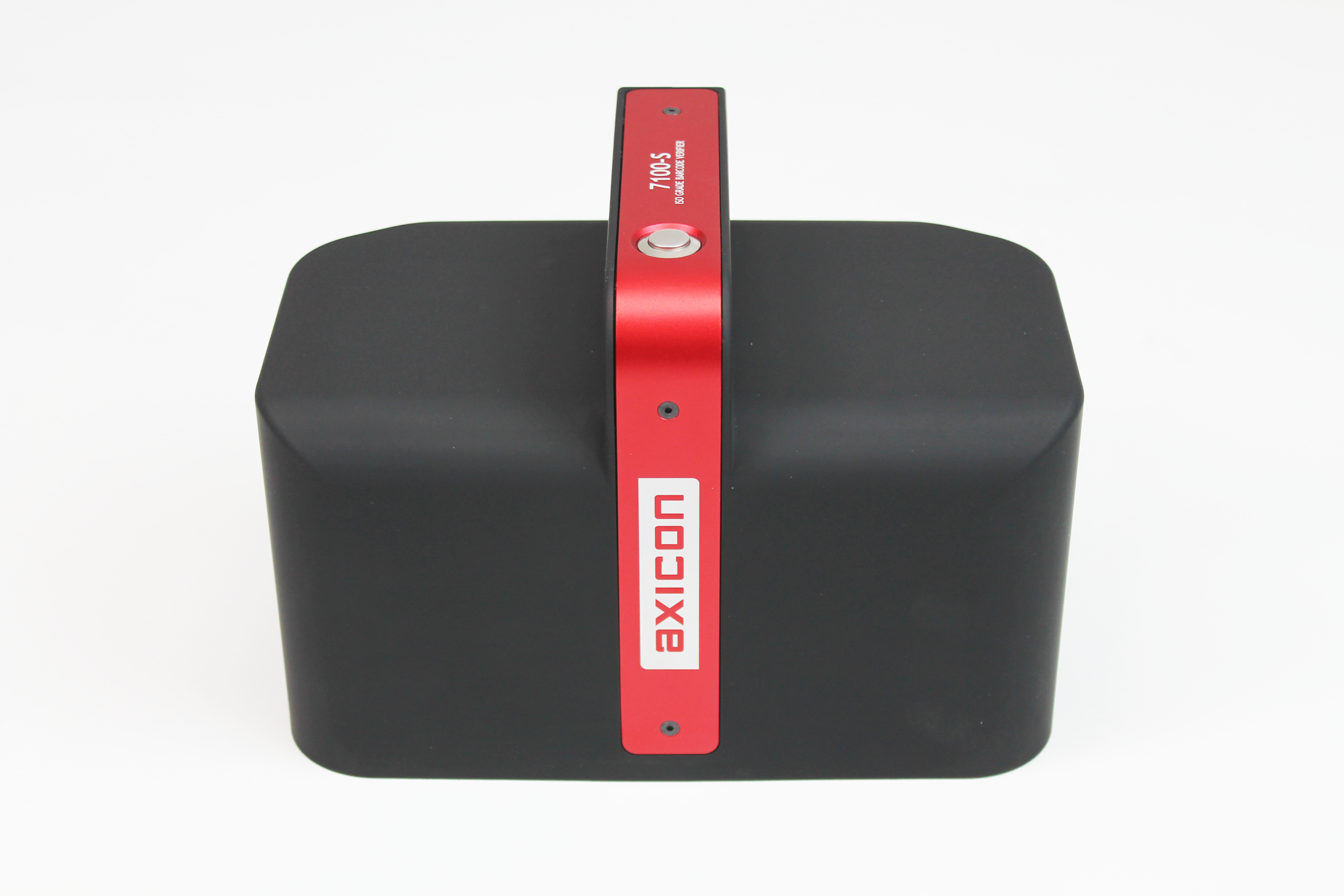
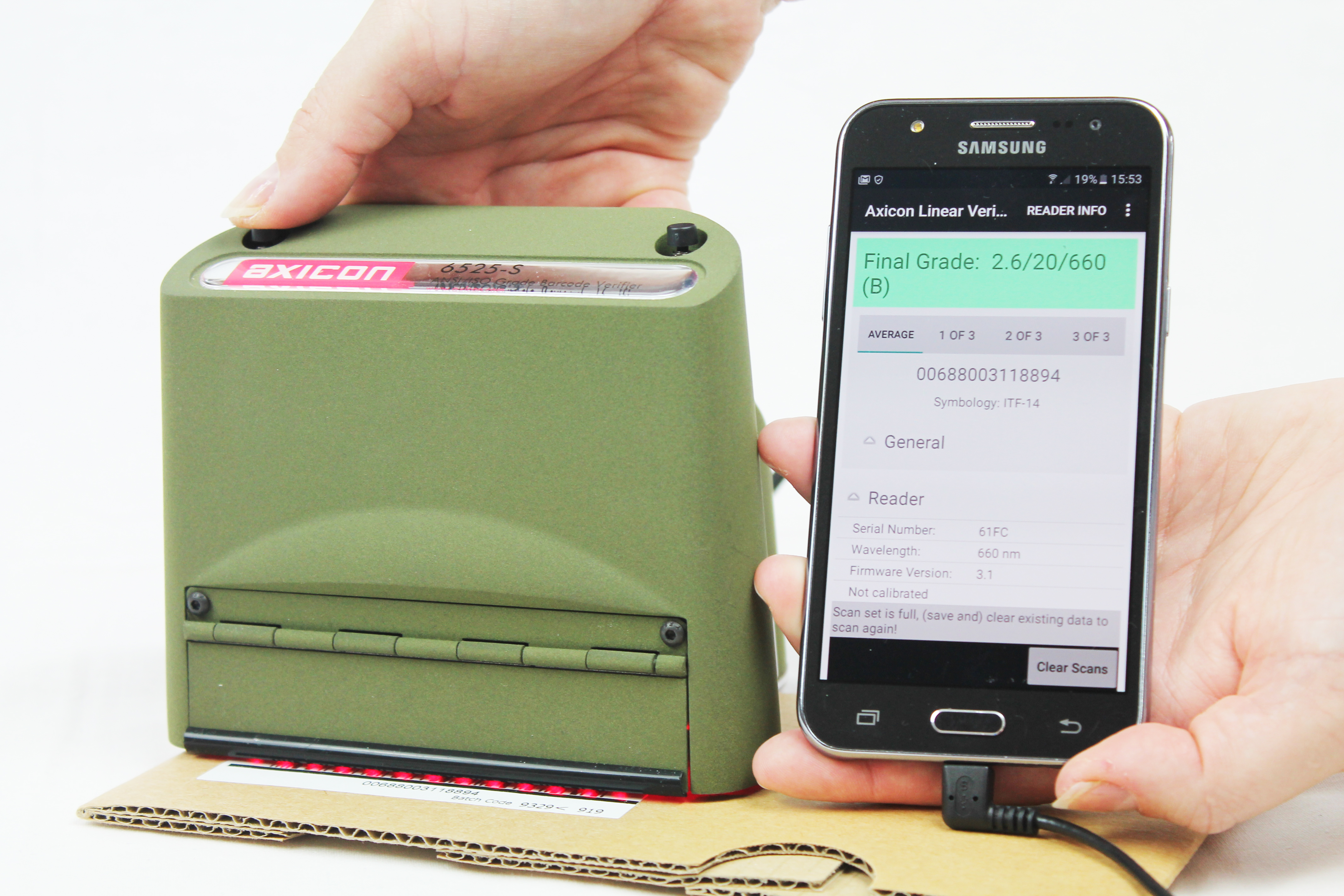
Calculating the ROI of a barcode verifier is easy, but make sure all costs are included. Barcode verifiers pay for themselves. That is a fact based on many cases and reports from verifier users. But use cases differ significantly. While a verifier in Company A could pay for itself within days of ownership, it could take weeks or months, perhaps longer at Company B.
Vision systems with a verification-like barcode inspection can also claim a legitimate ROI capability. Given the high cost of inline systems, the break-even point will take longer to reach. That does not make either offline or online verification better. “Better” is measured by how well, how accurately and how consistently the system detects and flags problem barcodes and keeps them from escaping and doing damage.
A verifier sold to an error-prone, low quality printer will experience a faster ROI than the same verifier sold to a quality-oriented printer. Is that “better?” Better often means different things to different people. In a true quality-focused culture, it should mean the same thing to sales, client services and accounting. A barcode verifier in a quality-focused company will take longer to self-amortize. Is that worse? It is the wrong question for the same reason that “verifiers are too expensive” is the wrong reason not to have one.

No time to do it right; unlimited time to fix it
In one of my first real jobs, I worked for a manufacturer who measured success by output alone. More was better. There was constant pressure to get the product out, but when a low quality product came back for rework, there was an unlimited amount of time to fix it. It made no sense then and it makes less sense now. Today we have better tools, limited labor, resources that are more expensive and tighter delivery schedules.
Calculate the cost of barcode errors. Here are some pre-verifier points:
- Number of quality exceptions per month
- Cost to resolve
Add the cost of a barcode verifier:
- initial installed cost, inline or offline
- monthly operator cost
- system software updates, calibration and re-certification
ROI = (old exception costs) – (New exception costs) including:
- new number of quality exceptions per month
- cost to resolve
The difference between pre-verifier cost exceptions and post-verifier exceptions, plus the cost of prevented exceptions is the ROI. This is new money that goes directly to the bottom line.

Intangible costs are real costs
Future quality exceptions that the verifier prevents are an intangible cost. Estimate these costs to arrive at a realistic ROI, and add estimated loss of future business and damage to reputation as costs prevented by the verifier.
This is highly generalized, so there are important provisos:
- Verifier must be an ISO compliant device. A non-compliant verifier offers few-to-none of the protections of a certified, compliant verifier.
- Regular reflectance calibration. Most ISO compliant verifiers come with a reflectance calibration card which must be replaced annually.
- ISO certification must be up-to-date.
- Verifier software must be up to date.
 Comments are welcome. Contact us here.