Barcode compliance is essential in open loop systems, such as a supply chains. Item identification or other information moving through a process is stored in a data carrier. These could be paper documents such as a packing slip or work order. Automatic identification is often done with a barcodes. In manufacturing or supply chains, barcodes may encounter many different systems. The barcode must be compatible with each: hence the need for standards. Standards are the bedrock of open loop systems.

Print quality
There are two different but equally important forms of barcode compliance. One involves print quality: is the symbol legible to a scanner? The International Standards Organization (ISO) maintains standards for 1D or linear barcodes and 2D or matrix barcodes. These standards describe the attributes of a barcode and how each is to be graded. In this way, the ISO standards provide a basis for predicting whether a barcode will scan correctly in its journey through its various usage life cycle.

Data Structure
The second type of barcode standard specifies how the encoded data must be parsed. Some barcodes such as UPC contain a single string of data. Others, like the GS1-128 can contain many data packets of various lengths, strung together into a single barcode. Compliance to the structural standards is essential.
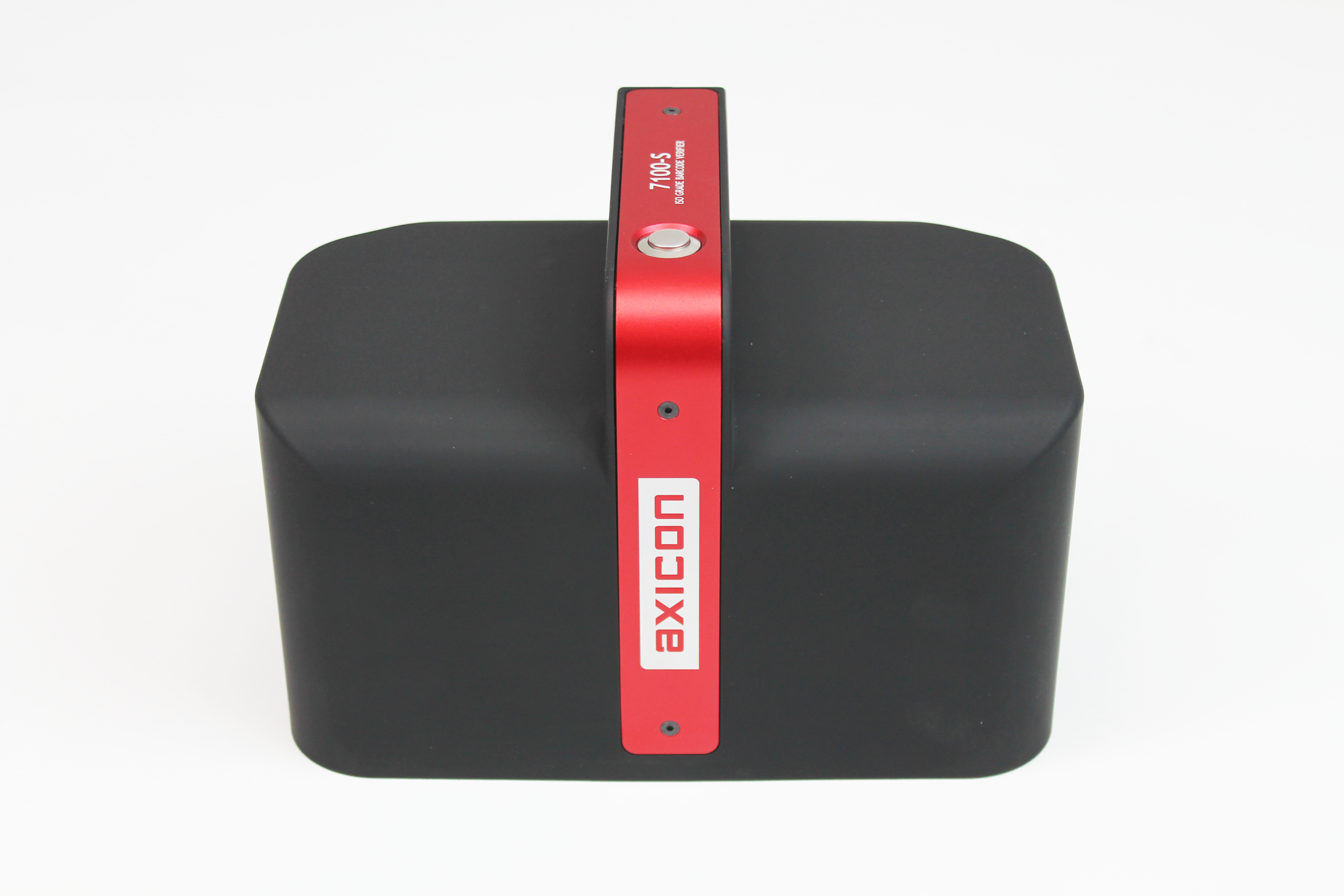
Understanding these requirements is the basis for becoming compliant. The next step: getting and staying compliant. That is the role of the barcode verifier. It is equally important that the verifier not only report its results in accordance with the applicable ISO standard. The verifier must also be a compliant test instrument. Surprisingly, not all verifiers are compliant. Check with the manufacturer before purchasing. Insist on receiving a signed, dated Certificate of ISO Compliance with your new verifier.
Having acquired an ISO compliant barcode verifier, you are ready to plan for staying compliant. Your ISO auditor can be helpful in outlining the required steps and tasks. Your verifier is a precision instrument. It should be calibrated regularly. We recommend at least weekly recalibration, using the NIST-traceable reflectance calibration card. Most new verifiers include one. The reflectance calibration card should also come with a signed, dated certificate of compliance. You can expect it to have a service life of about one year before replacement is necessary. Handle it carefully. Keep it clean and store it in a dark place.
Calibrate Daily, Re-Certify Annually
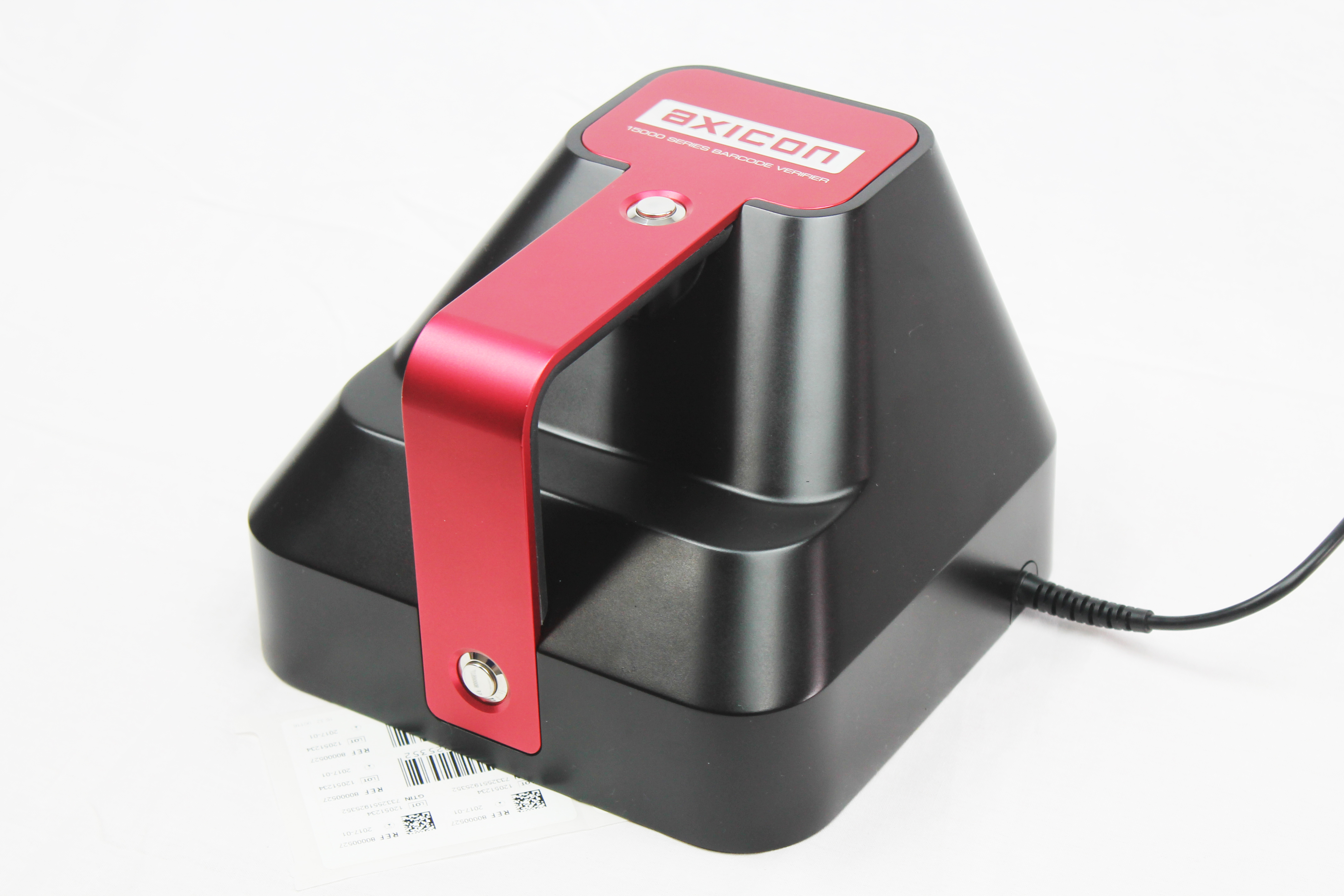
Your verifier should also be re-certified to ISO compliance annually. This involves returning it to the manufacturer or an authorized re-certification facility. Re-certification involves running the verifier through a series of tests. Precision images of barcodes with calibrated errors are scanned to ascertain that the verifier detects the errors and reports them within an acceptable margin of error.
Why do all of this? To avoid the hefty chargebacks that have become standard practice for poorly performing barcodes. Repeatedly circulating bad barcodes leads to loss of reputation and, eventually, business in virtually all supply chains. Although compliance can seem complicated and expensive, in the long run it actually pays for itself.
Comments are welcome. Contact us here.