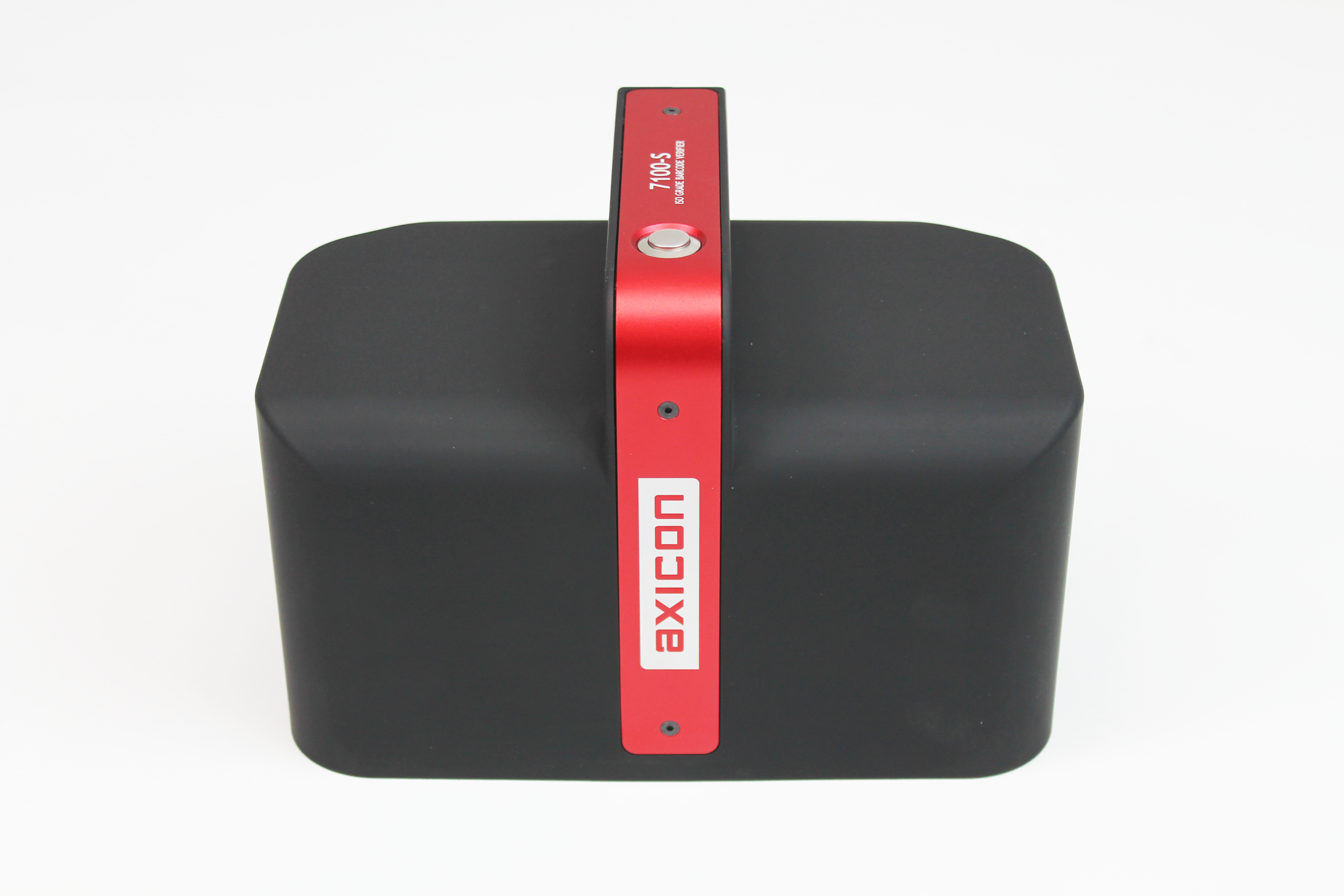
Once the barcode on your product leaves your control, it could encounter a wide variety of scanners. They could be lasers, linear CCD arrays, area CCD arrays, camera-based and maybe even some old pen scanners. They could be handheld, counter-mounted, side scanners. They could be high resolution for smaller X dimensions or low resolution for long distance scanning. They could have had a life of rough handling in a dirty environment. It is nearly impossible to predict where your barcode will end up—but it must work right. Here are the five most important ways to optimize it to give it its best shot at performing well, not causing transaction or supply chain disruption and costing you a chargeback.
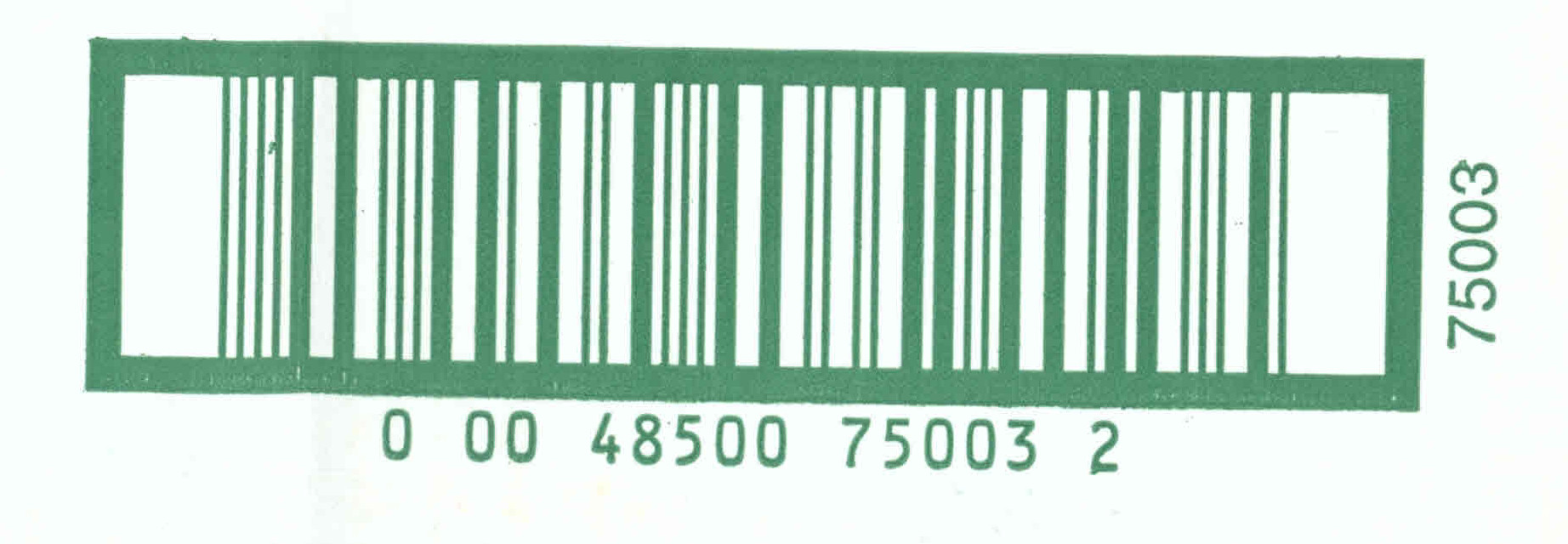
- Use an X dimension that is as large as possible, within the acceptable range of the specification for the symbol type. GTIN12 (UPC) has an X dimension range of between .0104” to .0260” A GTIN14 (ITF14 Shipping Container Code) accepts X dimensions as from .020” to .040″ for conveyer operations. Non-conveyor operations accept smaller X dimensions. It is important to check the specifications for the type of symbol and its scanning operation.
Why is this important? Because the margin or error for bar or space width is broader with larger X dimension. It is easier to print and scan a barcode with a larger X dimension.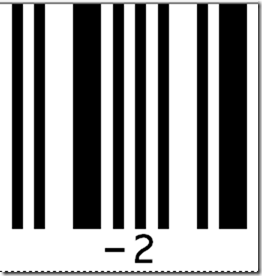
- Use as large a wide-to-narrow ratio as possible on a binary barcode. Code 39, ITF and some other symbol types have only two element (bar and space) widths. The wide element is a fixed mathematical multiple of the narrow element. For example, the wide/narrow ration on a Coe 39 can be from 2:1 to 3:1. The wide/narrow ratio of an ITF-14 barcode can be from 2.25:t to 3:1. Check the specifications on the symbol type you are using.
Why is this important? It is easier to print and scan barcodes with bars and spaces with a larger wide-to-narrow ratio.
- Do not truncate. Truncation is reducing the height of the bars. The specifications for each symbol type includes a height, which relates to the X dimension. These two dimensions define an aspect ratio or relationship.
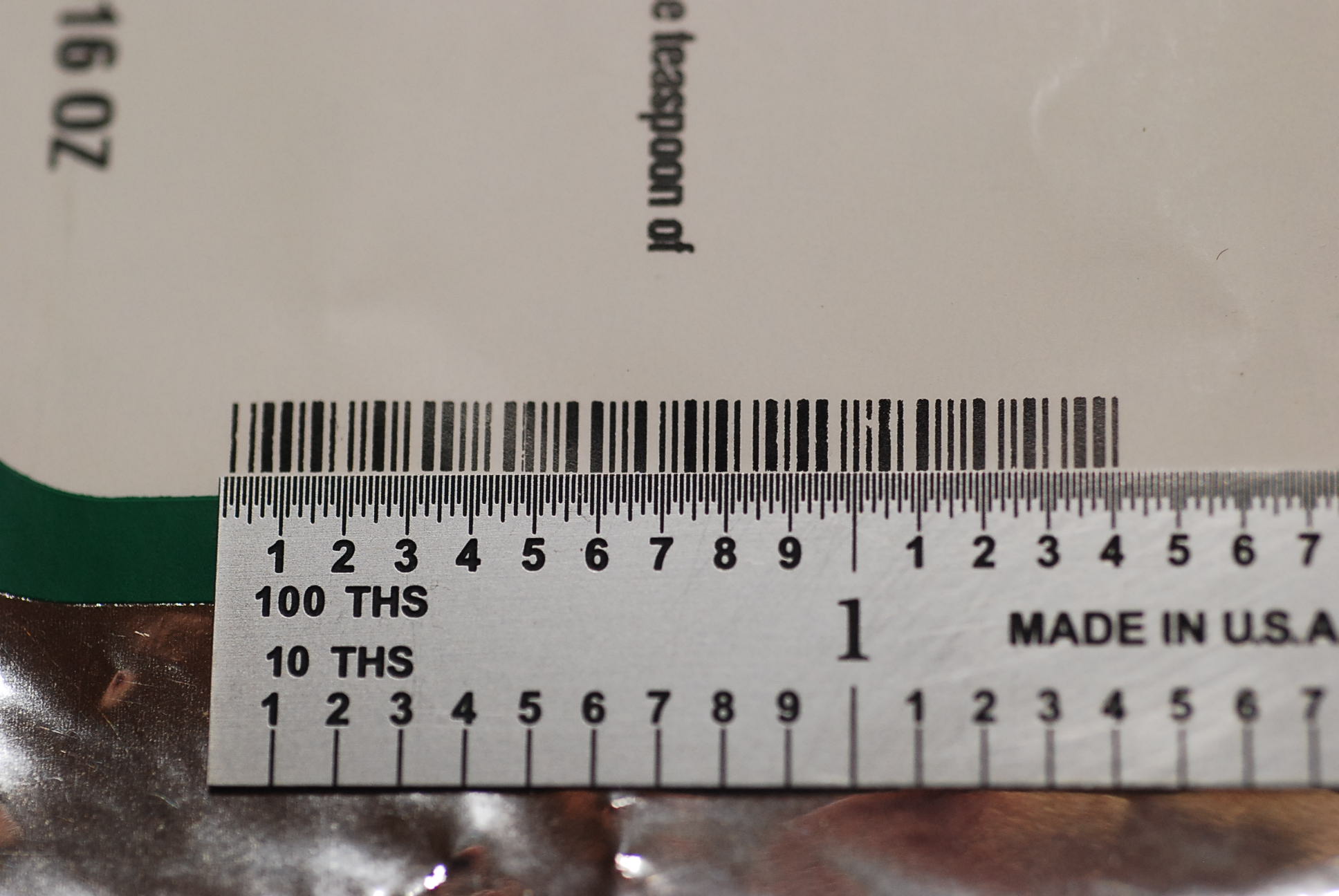
Why is this important? Scanning a full height barcode is less sensitive to scanner angle. First read rates are higher for full height barcodes. It is more likely that a scanner will see the entire length of a full height barcode. Taller 1D barcodes require less re-scanning.
- Protect quiet zones. This is important with all types of barcodes in all sizes. It can cause an otherwise perfect barcode to fail. When designing very large barcodes with bearer bars, avoid locating the left and right bearer bars right at the edge of the quiet zones. Even a small amount of gain can violate the quiet zones.
Why is this important? Encroaching graphics, text or other visual noise confuses the scanner and can cause no-reads or misreads.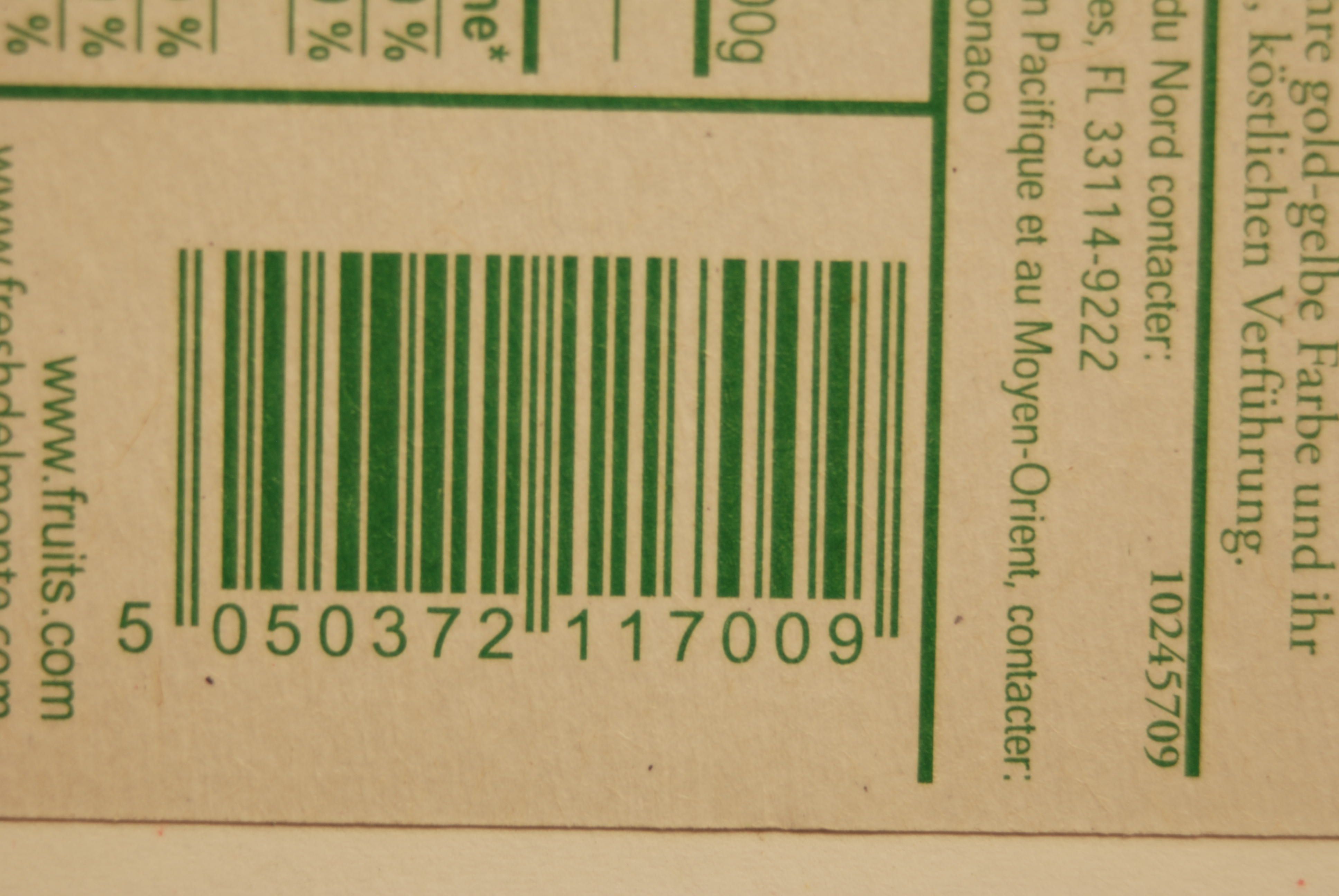
- Validate Check Digits. Label design software automatically calculates check digits but some symbol types have optional check digits. If you are using a Code 39, ITF or Codabar symbol, make sure the check digit is required—or not.
Why is this important? If your customer is expecting a check digit and one is not present, their scanner will reject your barcodes. Likewise, if a check digit is expected and one is not present, the scanner will also reject it.

We have a wealth of offerings about barcode quality: case histories, articles and of course barcode services and it is all available to you here.
We also welcome to leave a comment to contact us here.