Barcode problems are stressful. Understanding the problem can be complicated. Finding the cause can be difficult. Implementing a solution can seem like guesswork—and it is usually an emergency with intense time pressure, shrill voices and emotions running high. What are the best ways of dealing with it? It begins with questions—this is the investigative part.
Investigation
- Get all the information you can—listen to every concerned voice and request samples of the problem barcodes. Do not settle for compromises such as “…barcodes from the same batch…” or “…high quality PDF’s…” or anything other than the actual bar barcodes. If you cannot retrieve the actual, failed barcodes, accept what is available–barcodes from a previous or subsequent batch, barcodes for the same product but sent to a different trading partner, etc. Posit your skepticism. It is always best if you can get the actual problem barcodes.
- Get the barcodes as they were actually scanned when they failed. If they were on a carton, get the carton, not a cut off sample, not a picture. If they were under shrink wrap, get the shrink wrap. Anything less is conjectural. Insist. It benefits everybody.
- Get a detailed explanation of where, when and specifically how the barcodes failed. What were the circumstances? Who was scanning them? Was it a laser scanner? A CCD or digital scanner? Where? Outdoors? On a truck dock? Was it raining or a bright, sunny day? Did the barcode simply not scan or did it require multiple scans to read it? Was it just one barcode or many? How many? The devil is in the details–and so is the truth.
- Are verification reports available from the complaining party? Request a copy but don’t take it as gospel—it is just data at this point. Make note: what is the reported grade, the parameters driving the grade? When was the verifier last calibrated? That data should be on the report.
Armed with this information, you are ready to diagnose the problem and find a solution.

Solution
- Gain access to an ISO compliant verifier. If you have one, make sure its ISO compliance certificate is current (less than a year old) and recently calibrated for reflectivity. If you do not have a verifier, use a barcode testing service. Ask about certifications, capabilities, costs, response time and post-test support.

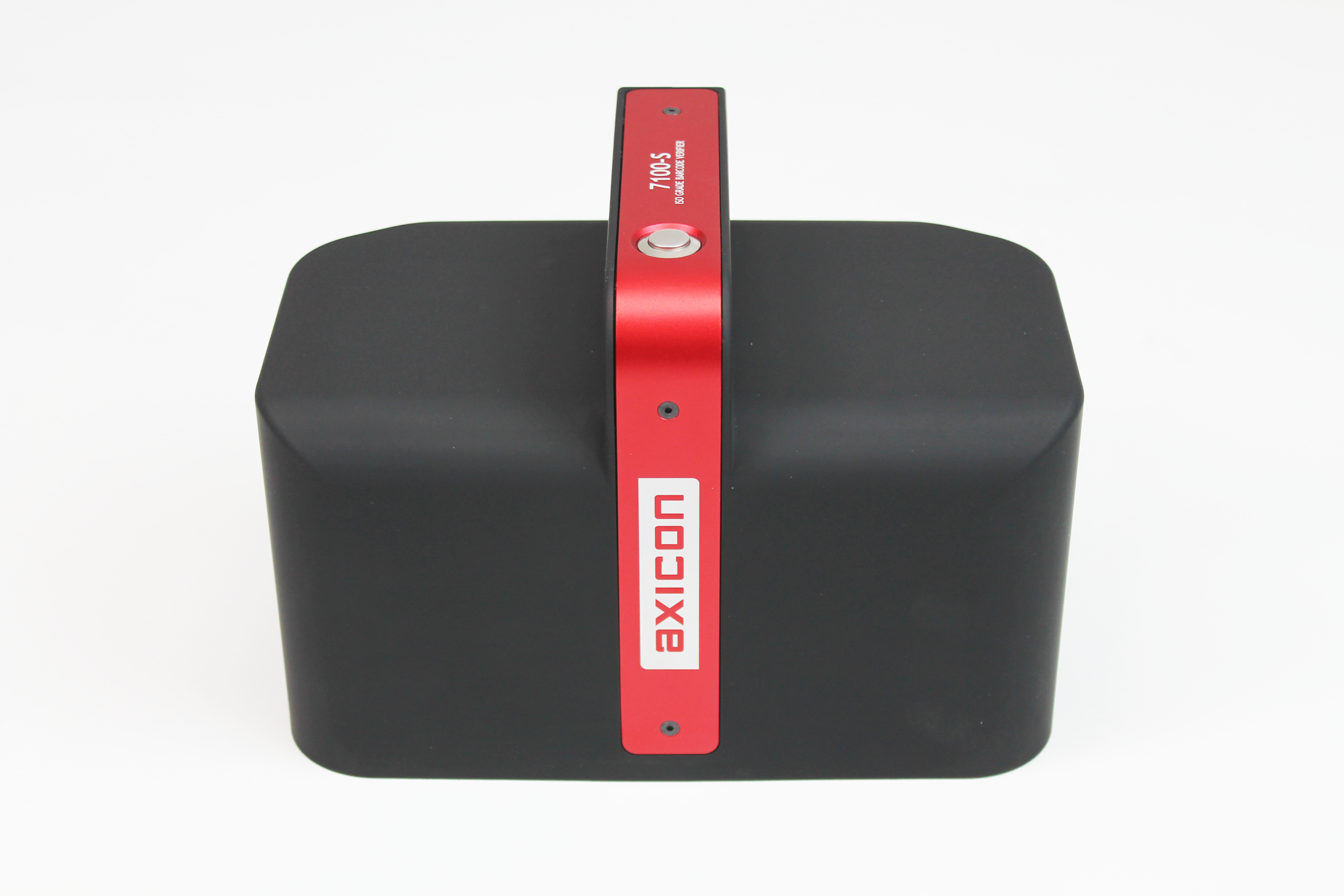
Axicon 15500 1D/2D verifier - The verification test report is the fork in the road. It will tell you whether or not the problem is your barcodes or factors other than your barcodes, factors beyond your control such as malfunctioning scanners or poor scanning conditions. The verification report is an authoritative document that can exonerate you of responsibility. Be diplomatic: your verifier may disagree with your client’s verifier. It could help to ask a test lab to participate in a conference call with the client, to help explain and sort out which verifier is to be believed.
- What is a bad barcode, according to the complaint? C grade barcodes are generally acceptable everywhere. C grades are a problem only if the client requires a higher grade—but even then, a B or A grade does not guarantee that all scanners can read them. Validate the complaint. Without clarity, this may be an disagreement you cannot settle.
- If your barcodes are the problem, the verification report will indicate how to resolve the problems and improve the final grade. A test lab can help here.
- Problems are alerts to uncontrolled process variables. Once controlled, the problems should subside. Due to the nature of variables, controls are usually temporary. Ongoing vigilance is required to keep them in check. Install a strategy for doing that.
- The best way of dealing with barcode problems is to proactively manage them: prevent them from happening—or from happening again. Periodic benchmarking by an independent third-party test lab can help ensure that your process controls are working effectively over time. The key is awareness: you cannot prevent (or remediate) what you cannot detect and measure.

#barcode problems #best practices #barcode quality