 Misconceptions about barcode problems fall into two classifications. The first type is misconceptions that lead to problems. The second type is misconceptions about barcode problems themselves. Superseding both types of misconceptions is a belief that technology is a hedge against barcode problems, and more technology makes errors less likely. Instead of viewing and using technology as a partner in detecting and preventing problems, technology can cause complacency.
Misconceptions that Cause Barcode Problems
This belief underlies skepticism about the ISO standards and their importance as a way to predict barcode behavior. Actually, the standards provide the only science-based platform for measuring and reporting the critical attributes and the range of allowable variation within which the barcode should work. Belief and truth do not always concur.

 Consider a hypothetical situation. A customer to whom you supply a sub-assembly has just sent you a quality alert and is threatening a significant charge-back for your bad barcodes. Your scanner read them fine but your customer claims they do not scan at their location. Who is right? How do you authoritatively determine whether the barcodes are good or bad? More about this later.
Another misconception that causes barcode problems is the belief that when the scanner beeps, the barcode data has been correctly captured. Manufactures of super-aggressive, fuzzy logic scanners rely heavily on this belief, but it comes at a price: accuracy. Capturing data from a heavily damaged or poorly printed barcode pushes the boundaries—also known as the tolerances—of acceptability in the design specifications of the barcode. It is more likely that an aggressive scanner will interpolate inaccurate features (lines or dots and spaces) incorrectly and send the wrong data to the system behind the scanner—a retail inventory system, a price look-up or a supply chain tracking system.
Misconceptions About Barcode Problems
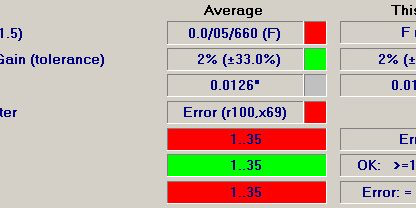 It is a common misconception that a barcode with a failing verifier grade will scan properly, since the verifier had to read it to grade it. This is wishful thinking at its finest. Verifiers have unique decoding capabilities that enable them to evaluate even very poor quality barcodes. If a barcode earns a failing grade, it is likely that some scanners will be unable to read it.
Another common misconception about barcode problems is that a failure to scan is never the fault of the scanner. We have already addressed the problem with super aggressive scanners, but “normal” non-aggressive scanners can also fail. Here again, the question is, how to authoritatively
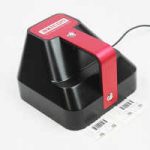 determine whether the problem is the barcode or the scanner?
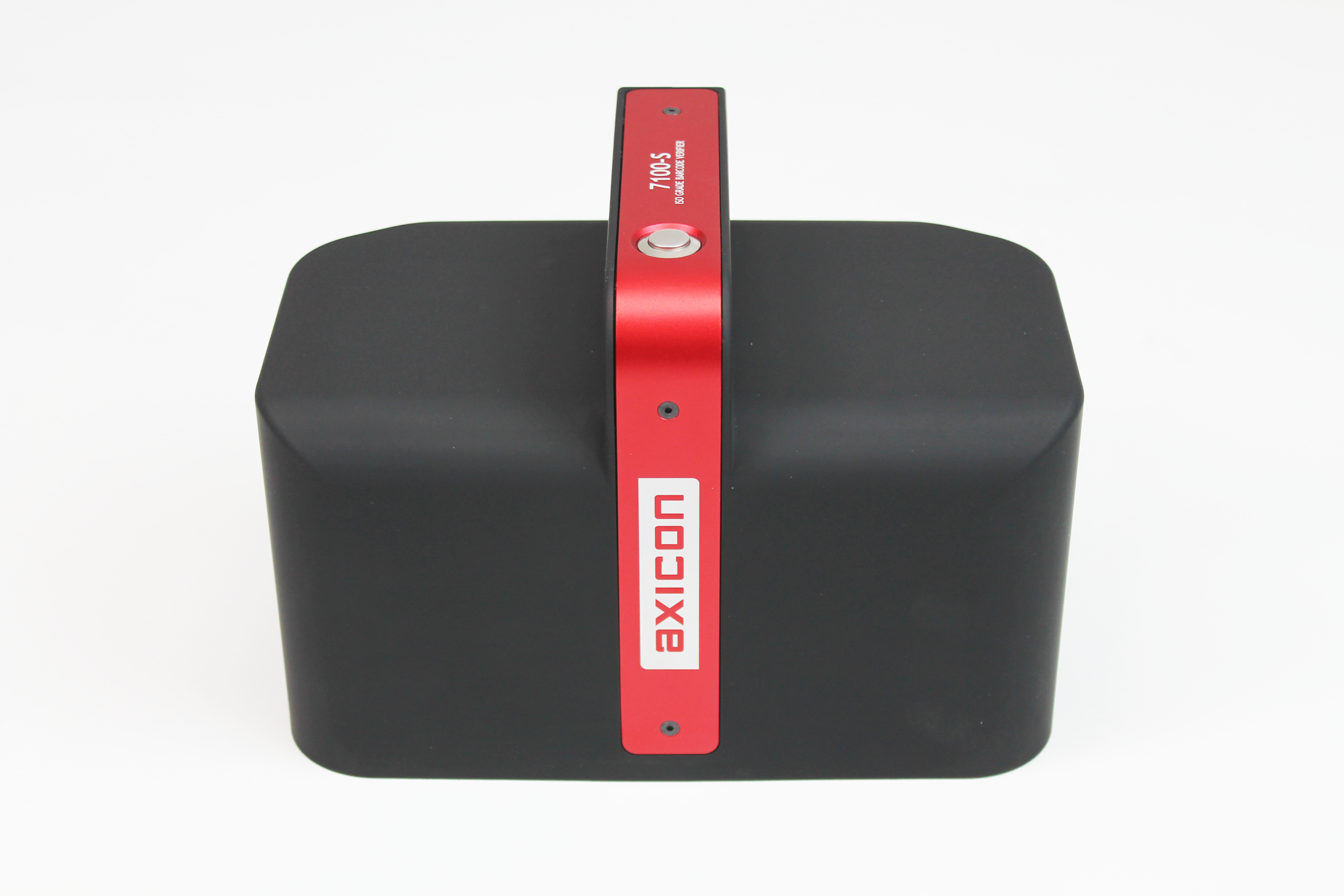
The only way to predict whether or not a barcode will scan properly is with a verification device that complies with the ISO standard. Different scanners have different operational tolerances, and will accept or reject barcodes differently. Therefore it is meaningless to use a scanner to verify a barcode.
Using a verifier, it is also possible to determine that an allegedly bad barcode is in fact ISO compliant, and the scanning problems are due to a malfunctioning scanner. A barcode verifier is the ultimate judge in a charge-back or other liability situation, and only a verifier can detect and prevent an impending barcode liability before it actually happens.
#barcode problems #barcode misconceptions #barcode quality
The second is about the problems themselves.