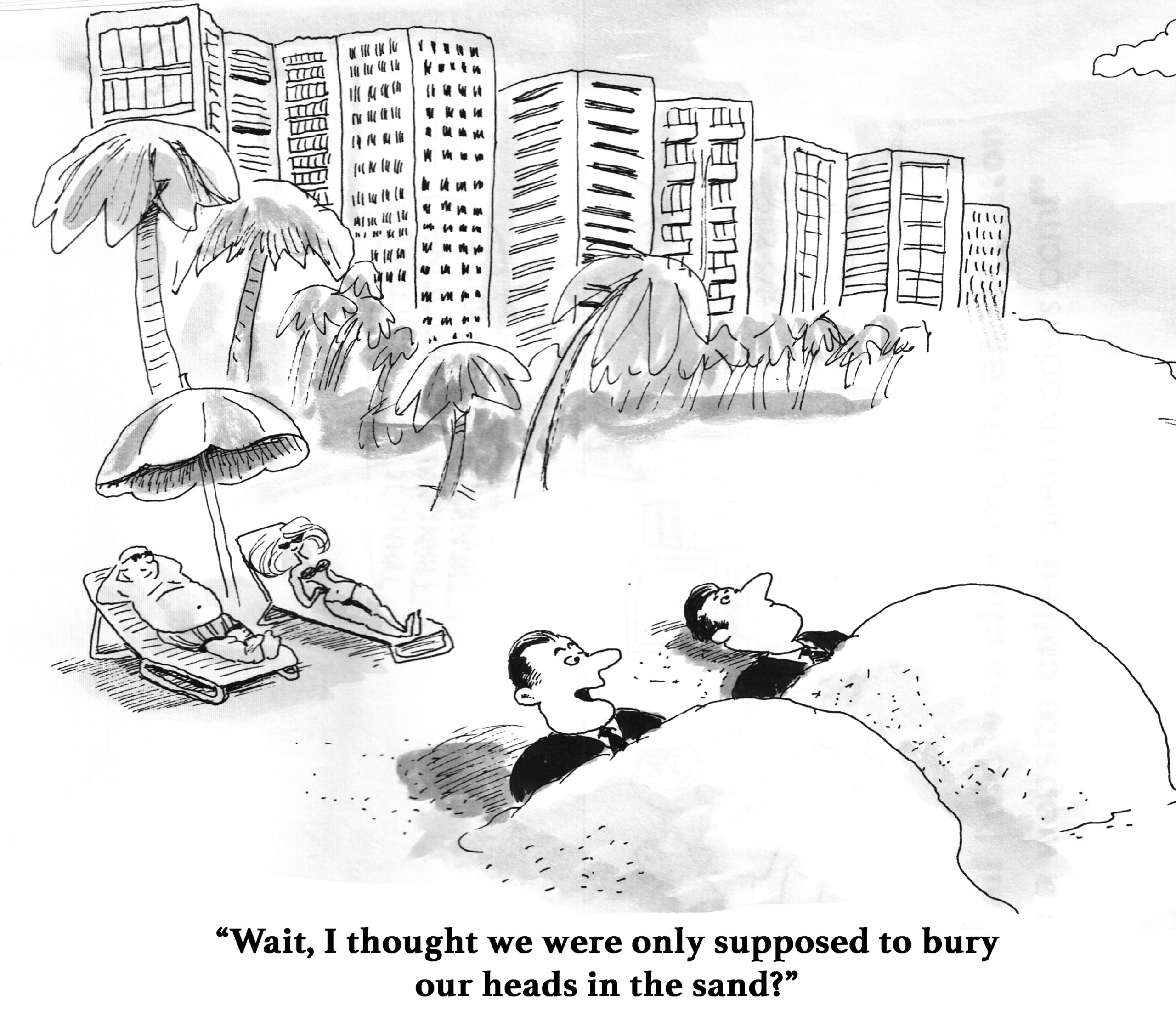
One of the reasons I hear most often from prospects who are resisting buying a verifier is that scanners have become so aggressive that verification is no longer relevant. It is undeniably true that scanners have improved a lot, and are capable of reading some very bad barcodes, but to conclude that verification is no longer necessary is a bit of an overreach–and a potentially expensive one.
There are circumstances in which verifiers may no longer be needed. Closed loop systems where all the scanners are of the hyper-aggressive type and all the barcodes are printed in a highly repeatable way may not need to verify their labels. It really depends upon the amount of disruption a rogue barcode would create.
Another such circumstance could be a more open but tightly controlled loop of trading partners: imagine a small manufacturer with a very small population of vendors for their raw materials or sub-assemblies. Again, if a bad barcode were to sneak in, what damage would it do?

But the conversation has another side too. The purveyors of those powerful “we can scan anything” scanners argue that even in a very large and complex supply chain, it is always good to have the most aggressive scanners because they minimize the possibility of no reads: the weakest link in the supply chain is a wimpy scanner, or so some marketing material suggests.
Actually, a no-read may not be the worst problem you could have. Successful barcode scanning is a relationship between the printed barcode and the scanner. How bad could the printed barcode get before the scanner cannot decode it? More to the point, when does the
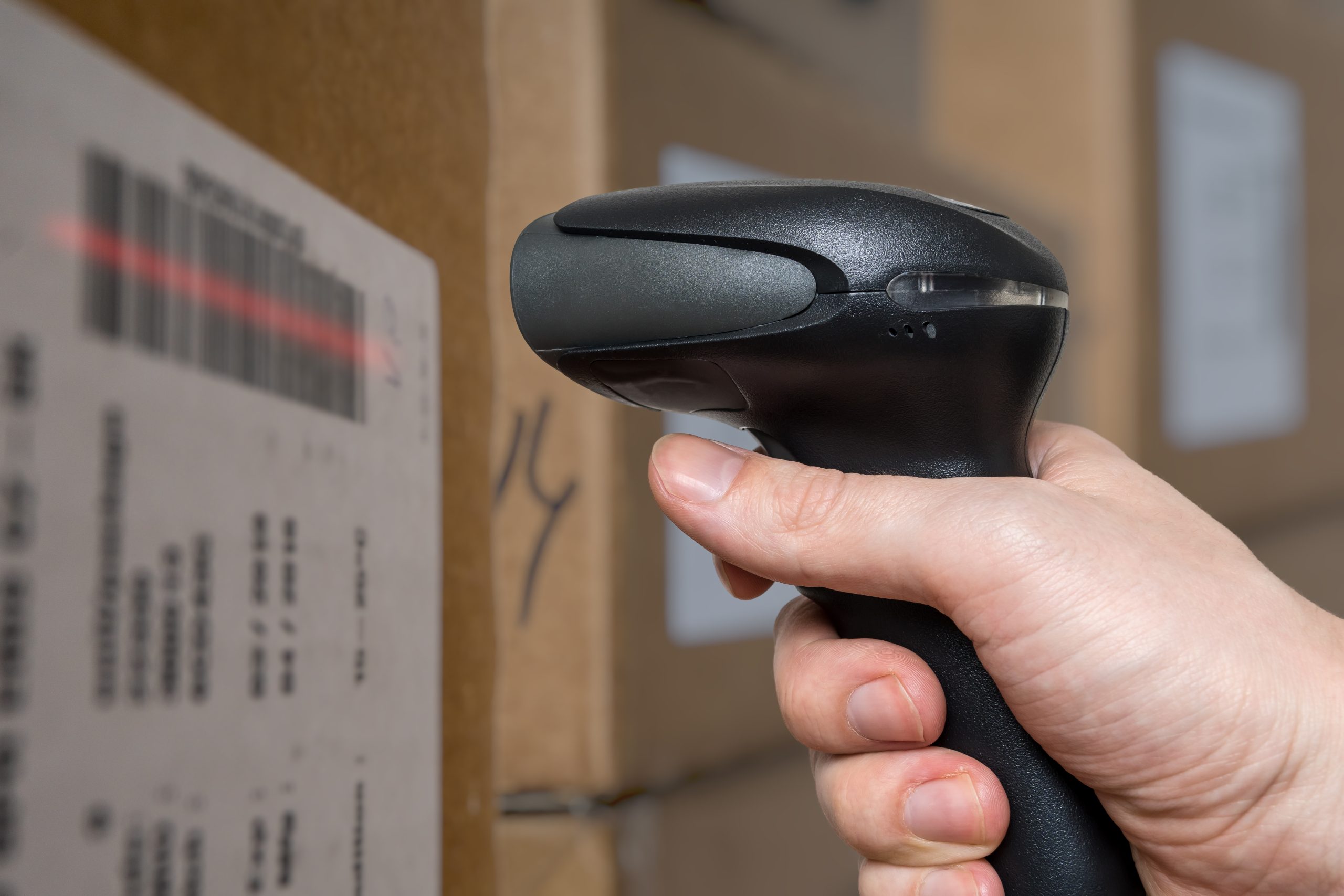
super-aggressive scanner over-interpolate data and substitute characters when it would be better—much better—if it just failed to read?
Couldn’t aggressive scanner technology contribute to an attitude of complacency about barcode quality? I can imagine an atmosphere of continually deteriorating barcode quality until worse problems such as those described above begin to happen—or the barcodes are so bad even the best scanners can’t read them. Then what? I guess we’d have to start, dare I say, verifying our barcodes again. And what is the point? Are verifiers so expensive they don’t pay for themselves over time? There a lot of factors to be considered in calculating an answer but consider one scenario.
Let’s start with the most obvious business factor: a verifier is capital equipment. You amortize it. It is good for your balance sheet.
A verifier is purchased and used 50 times a day—that may seem like a lot, but I have sold verifiers to a wide variety of users, from label shops who use their verifiers hundreds of times per day to incoming materials people who use their verifier dozens of times per day. Fifty times a day equates to 13,000 times per year. That’s $.39 per scan for a mid-priced $5000 verifier. Now consider how much one bad barcode could cost in re-labeling over the bad barcodes—the cost of the labels, the cost to affix them, etc.
How does the cost of a mid-range or even a high priced verifier compare to the cost of recovering from a batch of bad barcodes getting into your—or your customer’s—supply chain?
And guess what—a super aggressive scanner might have caused, not prevented that problem.