
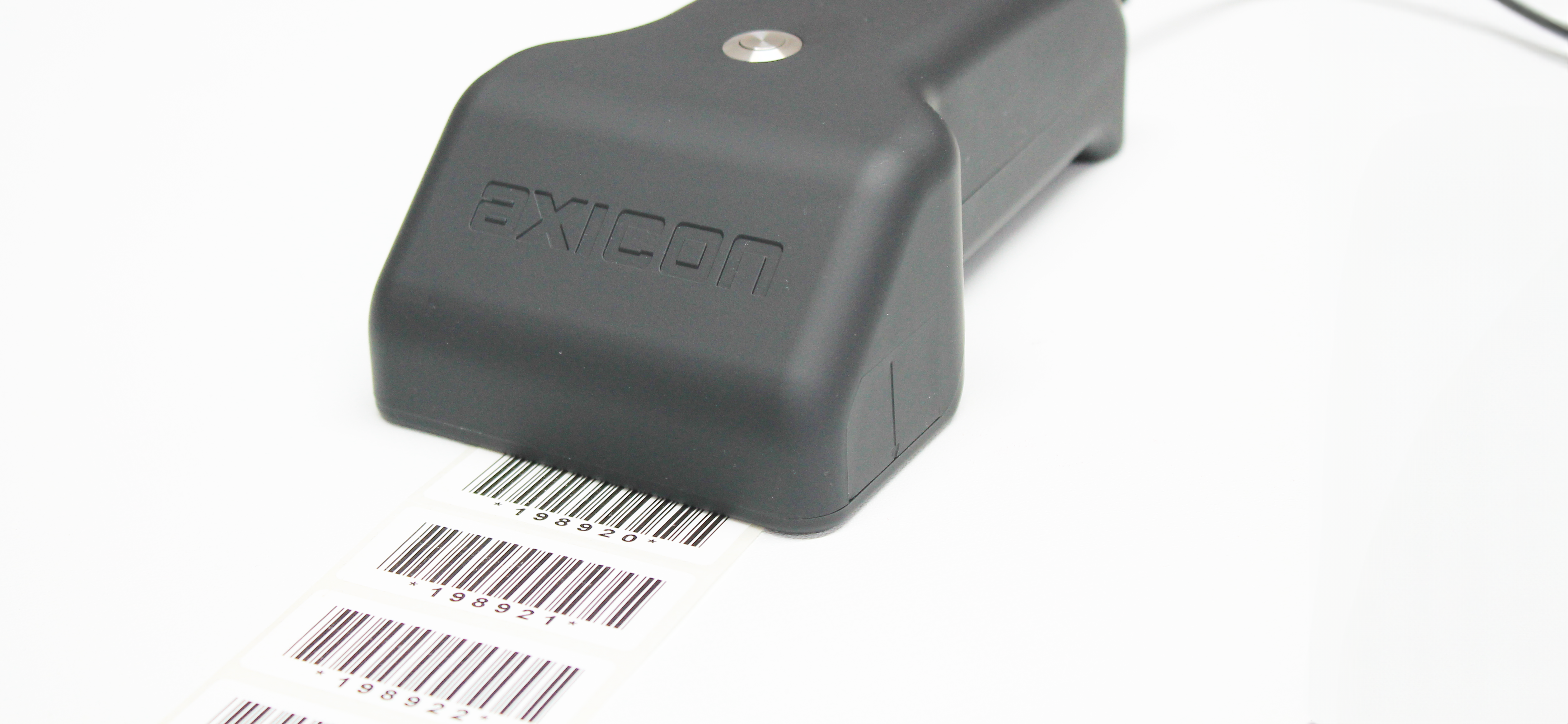
Recently a customer called with a verifier concern. This is a company with several locations and different brands of verifiers. The XYZ verifier in one location was grading a particular barcode very differently than the same barcode on an ABC verifier at another location. Which one should they believe?
A different situation with another customer raised a similar issue: they have a recurring job they print the same barcode every week, month after month. Barcodes they produced and verifiers six weeks ago were much better than the barcodes they are producing now. What has changed—the print quality or the verifier?
In accordance with the ISO specification, most verifiers are designed to eliminate ambient light from influencing the test results, but not all verifiers are equally effective at doing this. Care should be taken to maintain diffuse, non-directional, and unvarying lighting in the testing area.
Of course, it is important to use an ISO-compliant barcode verifier. Standards are the only means available for making sure the test instrument is evaluating the barcode correctly, but optical systems and electronics are not immune to changes over time. Verifying the barcode verifier for accuracy is an important part of any barcode quality program.
In both cases described above, good quality testing procedures could have resolved the question of which barcode or verification report to believe. Maintaining a file of retains from all jobs, archived along with their respective verification reports creates a reliable body of evidence as well as an audit trail of what’s out there. Repeat the verification tests on those retains, and if the results are the same or highly similar, you can be fairly confident they are reliable.

To be more than just fairly confident you need a gold standard, a barcode image of a known quality. Retains with accompanying verification reports are better than nothing, but why take chances when the downside risk is so significant? GS1 has Calibrated Conformance Standard Test Cards available for most of the known symbologies, both 1D and 2D. These are highly precise images of symbols with build in errors of known amounts on various ISO parameters. When a verifier reads these symbols, it must report those errors within a specified tolerance in order to be considered ISO compliant.
Why does a verifier’s performance degrade over time? The affects of age on an opto-electronic system are one cause. Dust and dirt are the most common—and preventable—cause, of verifier performance degradation or failure. Poor workplace housekeeping and unmaintained verifiers are also a factor. Rough handling or drops can cause optical components to get loose, out of alignment, or focus to be lost. Even recently calibrated ISO compliant verifiers of the same brand and model will not always produce identical results, but one can reasonably expect the grading to be very similar and uniformly so.
Calibration cards also have a shelf life—typically not more than two years. They degrade with exposure to light and should be kept clean and free of dirt or ink smudges and scratches.
Comments are always welcome.